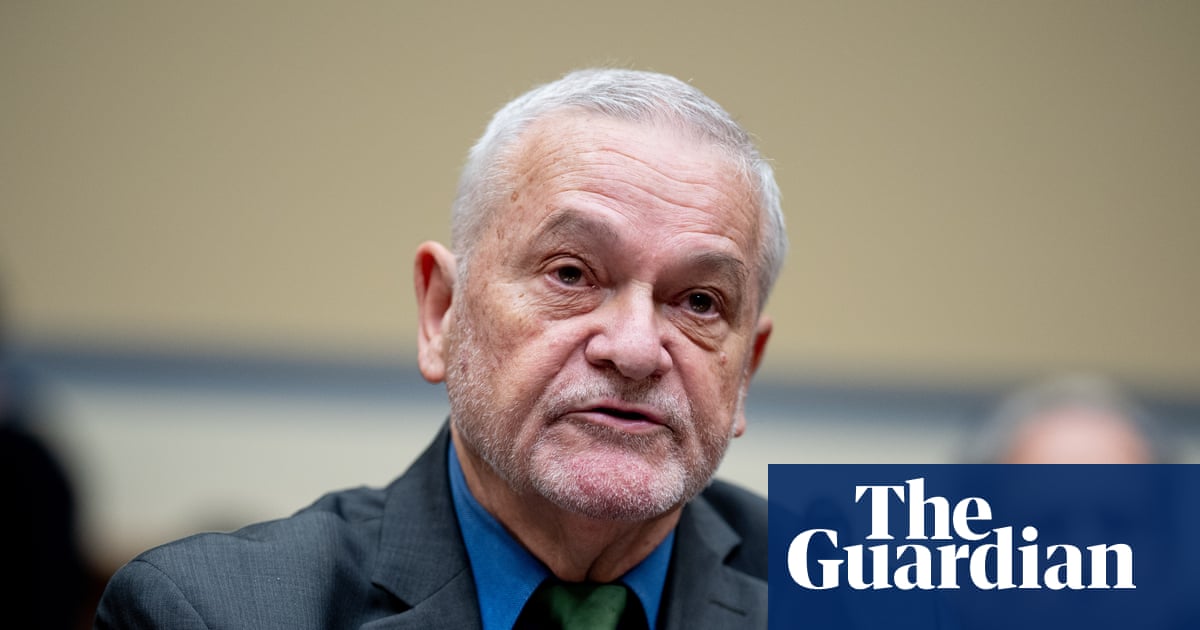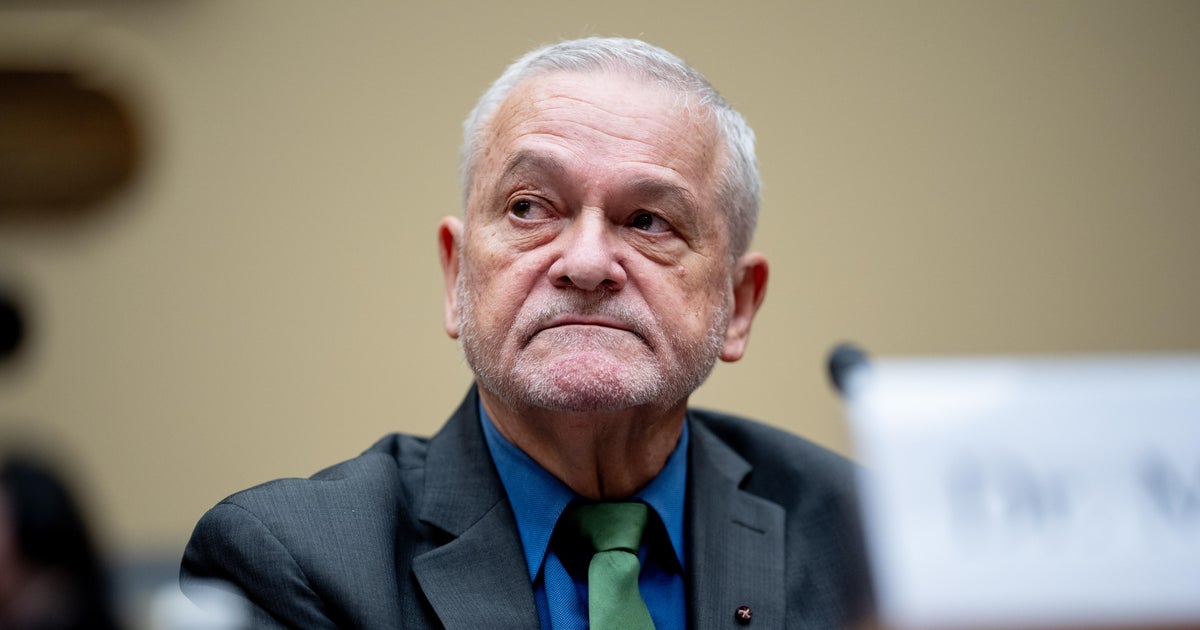
The guilty plea entered by David Morens, a long-standing senior adviser at the National Institute of Allergy and Infectious Diseases (NIAID), signifies a profound breach in federal administrative integrity. By admitting to a conspiracy to defraud the United States through the systematic evasion of the Freedom of Information Act (FOIA), Morens has validated concerns regarding institutional opacity during the COVID-19 pandemic. This development highlights a failure of internal checks and balances, where senior officials prioritized narrative control over statutory transparency obligations.
Strategic Subversion of Public Oversight
The conspiracy, which began in April 2020, involved a calculated effort to shield records related to high-stakes scientific research from public and legislative scrutiny. Morens utilized his position within the Office of the Director to manipulate document retrieval processes, effectively weaponizing internal communication protocols to bypass FOIA requirements. This was not merely a series of administrative errors but a coordinated strategy to protect the agency and its leadership from the political and scientific fallout associated with federal grant oversight.
The involvement of external entities—specifically a New York-based nonprofit—indicates a cross-institutional alignment intended to obfuscate the management of the “Understanding the Risk of Bat Coronavirus Emergence” grant. This specific funding stream, linked to the Wuhan Institute of Virology, sat at the center of the global inquiry into pandemic origins. The decision to hide records reveals an institutional perception that transparency posed an existential risk to the agency’s mission and its international research collaborations.
Operational Failures and Grant Management Risks
The Morens case exposes a vulnerability in federal grant monitoring where personal loyalty and strategic interests can supersede legal compliance. The use of private email and the deliberate destruction of records were employed as tools to facilitate a selective filtration of information. These operational failures signal to the scientific community that the Department of Justice is increasingly willing to criminalize the subversion of administrative transparency, particularly when it interferes with the lawful functions of government agencies.
For organizations receiving NIH funding, the implications are severe. The prosecution demonstrates that financial and legal risks extend beyond the research itself to the administrative handling of federal data. Non-compliance with transparency standards can now lead to debarment, funding suspension, and criminal prosecution. This creates a new regulatory environment where the management of internal communications is as high-stakes as the scientific output of the grant.
Legislative Friction and Institutional Deterrence
The timing of this plea, following high-profile congressional testimony, provides legislative oversight committees with significant leverage for future reform. Senator Rand Paul and other critics have argued that the NIAID operated with a level of autonomy that circumvented democratic accountability. The admission of a criminal conspiracy validates these claims, likely fueling legislative efforts to restructure FOIA processes for health agencies and implement automated, immutable archiving systems to prevent individual interference.
Moreover, the focus on “co-conspirator 1” suggest that the investigation may yield further legal consequences for other individuals involved in pandemic-era grant management. While the plea is specific to Morens, the narrative of institutional opacity it establishes will be difficult to dismantle. The case serves as a benchmark for judicial treatment of high-level federal officials who intentionally thwart public records laws, with Morens facing up to five years in prison at his November sentencing.
Conclusion: A Paradigm Shift in Federal Accountability
The Morens inquiry concludes with a stark warning: the era of administrative discretion in record-keeping is yielding to a mandate for verifiable transparency. The NIAID now faces a prolonged period of reputation management and increased scrutiny from both the public and Congress. By choosing to prioritize the protection of specific research narratives over the integrity of federal records, officials have invited a level of oversight that will fundamentally alter how federal scientific agencies interact with the public they serve.