NBA 2K27 Ratings: A Strategic Nexus for Player Valuation and Market Dynamics
The annual reveal of NBA 2K player ratings transcends a mere numerical assignment; it functions as a critical bellwether for player perception, marketability, and the intricate digital sports economy. For NBA 2K27, the unveiling of its top 100 player rankings ahead of the September 4 release has instantaneously recalibrated industry discourse, signaling profound shifts in perceived on-court dominance and commercial leverage within the league’s ecosystem.
These ratings, particularly the top-tier allocations, underscore a strategic alignment between real-world performance trajectories and the game’s virtual representation. Publisher decisions on player valuation directly orchestrate fan engagement, shape media narratives, and influence the competitive positioning of both individual athletes and their respective franchises, creating a symbiotic feedback loop between virtual and tangible impact.
Generational Ascendancy and Nuanced Hierarchy at the Apex
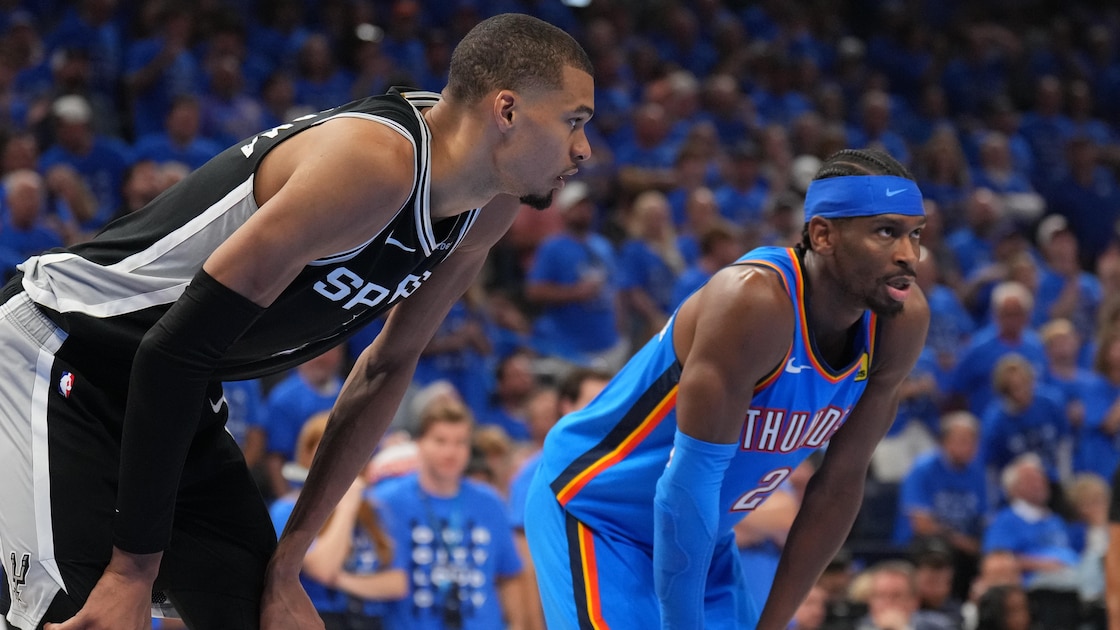
Shai Gilgeous-Alexander of the Oklahoma City Thunder has been strategically positioned as the No. 1 player in NBA 2K27 at launch, sharing a 97 overall rating with Victor Wembanyama of the San Antonio Spurs and Nikola Jokić of the Denver Nuggets. This triumvirate at the pinnacle signifies a notable generational transition, with Gilgeous-Alexander’s ascent reflecting sustained elite performance, Wembanyama’s immediate impact validating his transformative talent, and Jokić maintaining his established dominance.
The shared 97 overall rating among these three, yet with Gilgeous-Alexander’s unique No. 1 designation, highlights the subtle but impactful differentiation within the game’s internal ranking logic. This distinction, while numerically identical, carries significant weight in media narratives and fan perception, establishing a clear hierarchy even among the league’s most dominant figures. Wembanyama’s prominent placement, further cemented by his designation as this year’s cover athlete, strategically leverages his burgeoning global icon status to drive game sales and amplify broader franchise engagement, especially within younger demographics.
Algorithmic Imperative: Reflecting and Influencing Player Trajectories
The methodology underpinning NBA 2K’s player ratings, though proprietary, demonstrably reflects a sophisticated algorithmic assessment of real-world performance, statistical output, and perceived potential. Jayson Tatum’s rating adjustment from 94 to 93, accompanied by a drop in his overall ranking, exemplifies an iterative system that recalibrates player value based on recent season performance and projected trajectory.
This continuous re-evaluation establishes an implicit feedback loop: player performance in the actual NBA directly influences their virtual representation in subsequent game iterations. This dynamic incentivizes players to maintain peak performance, as their digital avatar’s prowess becomes a public, high-visibility metric of their standing within the league. The rise of players like Cade Cunningham (94 overall) and Anthony Edwards (95 overall) into the upper echelons further illustrates this performance-driven algorithmic imperative, aligning the game’s virtual landscape with the NBA’s evolving talent narrative.
Economic Leverage and Brand Amplification: From Viral Discourse to Market Value
The annual ratings reveal consistently catalyzes substantial public debate, a phenomenon strategically embraced by the publisher to amplify its marketing reach. Jayson Tatum’s 93 overall rating, a slight decrease from his previous 94, garnered over six million impressions on X, illustrating the potent virality of these numerical assessments. Such widespread engagement is not incidental; it represents a deliberate cultivation of fan discourse that transforms player ratings into a dynamic, low-cost content engine, directly translating into heightened visibility, pre-orders, and sustained interest.
For players, these ratings and the ensuing public reaction contribute significantly to their personal brand equity and marketability. While not directly tied to contract values, a player’s standing within the game’s virtual hierarchy can profoundly influence endorsement opportunities, merchandise sales, and overall fan affinity, forging a tangible link between digital representation and commercial value. This forms a critical component of the multi-billion-dollar digital sports ecosystem, where game sales, in-game purchases, and subscription models are all indirectly bolstered by the engagement generated around these highly anticipated rankings.
Strategic Implications: Franchise Positioning and Market Penetration
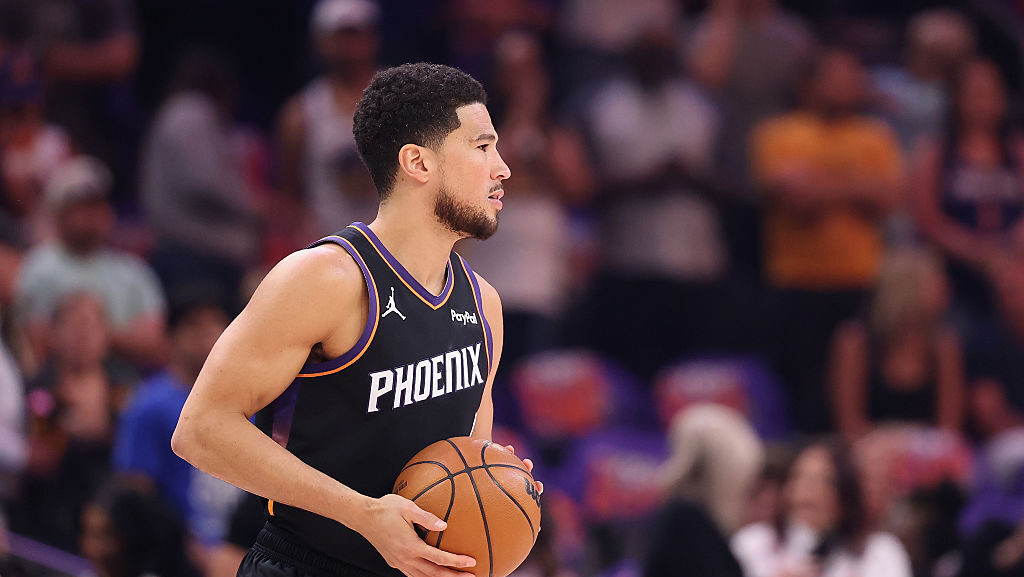
The distribution of high-rated talent within NBA 2K27 carries distinct operational and strategic implications for NBA franchises. The Phoenix Suns, for instance, are represented by only two players in the top 100 – Devin Booker (19th, 91 overall) and Dillon Brooks (84th, 82 rating) – highlighting the concentrated star power within certain rosters. This can influence perceptions of team strength and appeal, impacting fan interest, season ticket sales, and even future player recruitment strategies, as the digital realm often mirrors and reinforces real-world team narratives.
Moreover, the game’s availability across multiple platforms—PlayStation 5, Xbox Series X/S, PC via Steam, and Nintendo Switch 2—underscores a comprehensive market penetration strategy. This multi-platform release ensures maximum accessibility, leveraging diverse gaming ecosystems to reach a truly global audience and solidify its dominant position within the competitive sports simulation genre. Its robust online multiplayer component and integration into esports circuits further ensure that player ratings directly impact competitive gameplay strategies and the broader competitive meta.
Institutional Synergy and Evolving Narratives
The relationship between the NBA and its official video game partner, 2K, represents a powerful institutional alignment that extends the league’s brand reach and cultural footprint. The game functions as a vital marketing instrument, introducing new fans to the league’s players and narratives, particularly in burgeoning international markets. The meticulous curation of player ratings, cover athletes, and game features reflects a shared interest in promoting the league’s stars and storylines, ensuring authenticity and compelling engagement.
Ultimately, the NBA 2K27 player ratings are more than mere numerical assignments; they articulate an evolving narrative within the league, highlighting the ascendancy of a new guard (SGA, Wembanyama, Dončić, Brunson at 96, Edwards at 95, Cunningham at 94) while acknowledging the enduring presence of established stars (Curry, Durant at 93). Their annual unveiling is a meticulously managed event designed to maximize impact, sustain fervent interest, and serve as a critical component of the global digital sports economy, shaping player brands, team marketability, and media engagement for a multi-billion-dollar entertainment franchise.