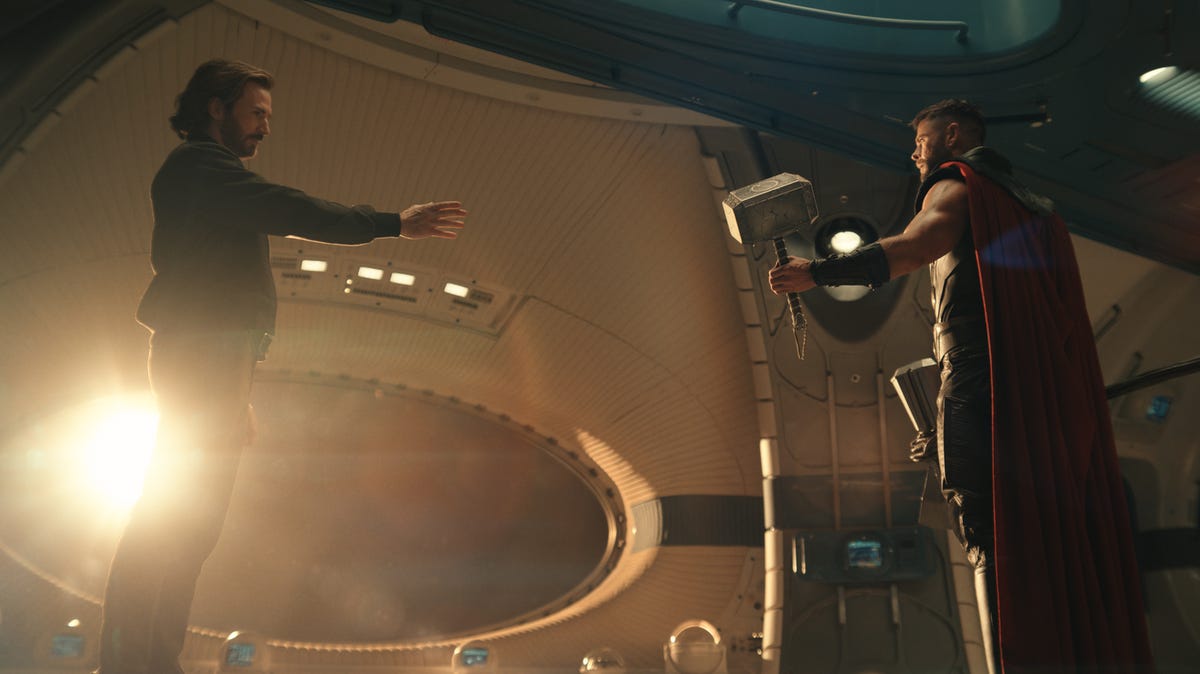
The December 2026 theatrical corridor is evolving into a high-stakes stress test for global exhibition infrastructure. The scheduled convergence of Denis Villeneuve’s Dune 3 and Marvel’s Avengers: Doomsday—colloquially termed ‘Dunesday’—transcends standard box office competition, highlighting a profound supply-side constraint within the Premium Large Format (PLF) sector.
The Supply-Side Inelasticity of IMAX 70mm
The core of the conflict lies in the extreme scarcity of the IMAX 70mm (15/70) format. With only 38 theaters globally capable of projecting this specific analog medium, the industry faces an absolute ceiling on throughput for high-margin screenings. This physical limitation creates a high-velocity sell-out environment where demand significantly outstrips capacity, allowing exhibitors to exercise aggressive pricing power and implement 24-hour screening cycles to optimize revenue per available seat mile.
Vertical Integration of Creative Vision and Distribution
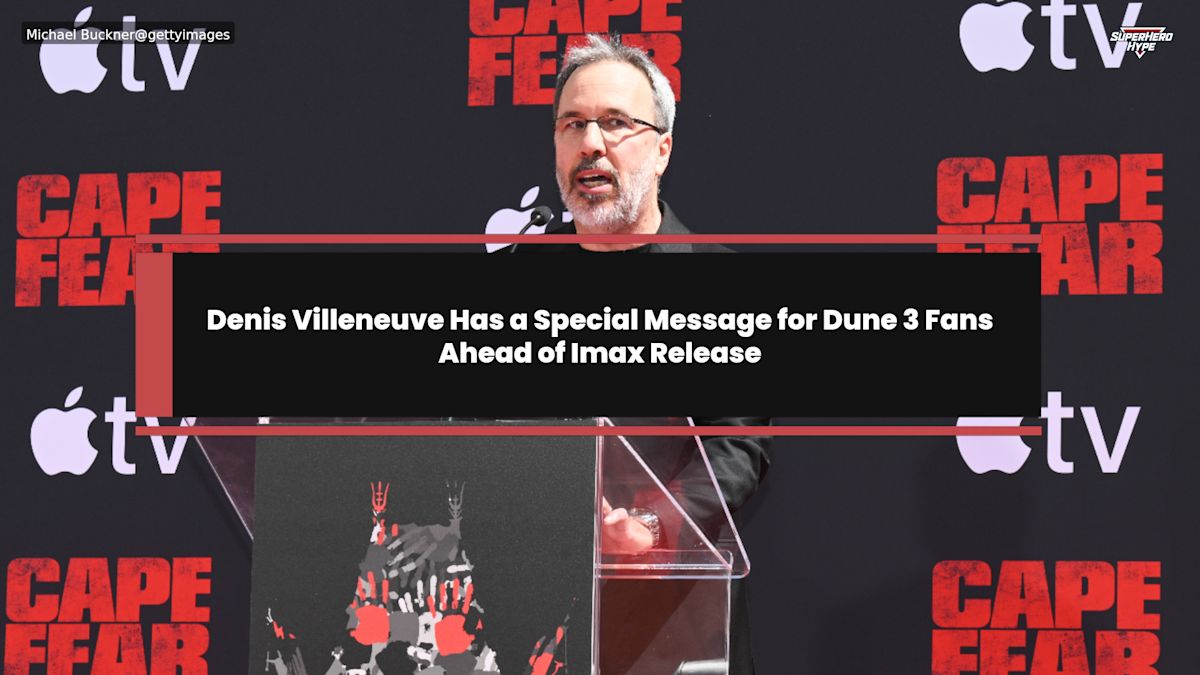
Denis Villeneuve’s direct intervention in ticket availability signaling represents a shift in director-led distribution. By framing technical scarcity as a hallmark of cinematic prestige rather than a logistical failure, the production reinforces its brand as an ‘event’ necessity. This strategy mitigates consumer friction while insulating the studio from criticism regarding infrastructure bottlenecks, effectively converting a technical limitation into a marketing moat.
Cannibalization Risks in High-Affinity Segments
Unlike the ‘Barbenheimer’ phenomenon, which leveraged demographic divergence, the 2026 clash pits two properties against overlapping high-engagement quadrants. This creates a zero-sum game for evening and weekend showtimes in PLF auditoriums. While Dune: Part Two established a $714 million global baseline, the third installment must navigate a saturated market where Avengers exerts immense institutional pressure on screen allocation and capital commitments from theater chains.
Capital Management and Early Market Signaling
The unprecedented decision to open ticketing windows nearly 24 months in advance serves as a sophisticated capital management tool. It allows studios to gauge real-time demand elasticity and secure early cash flow, while the resulting ‘sold-out’ narrative provides leverage for negotiating favorable terms with international distributors. This data-driven approach reduces the financial volatility inherent in massive production budgets.
Regional Monopolies and Infrastructure Fragility
The reliance on single-hub locations, such as the Harkins Arizona Mills—the sole IMAX option for an entire state—illustrates the geographic fragility of the current theatrical model. Such regional monopolies maximize concession revenue and ticket premiums but offer no redundancy in the event of equipment failure, highlighting a critical need for modernization in the high-end exhibition sector to sustain long-term growth.