
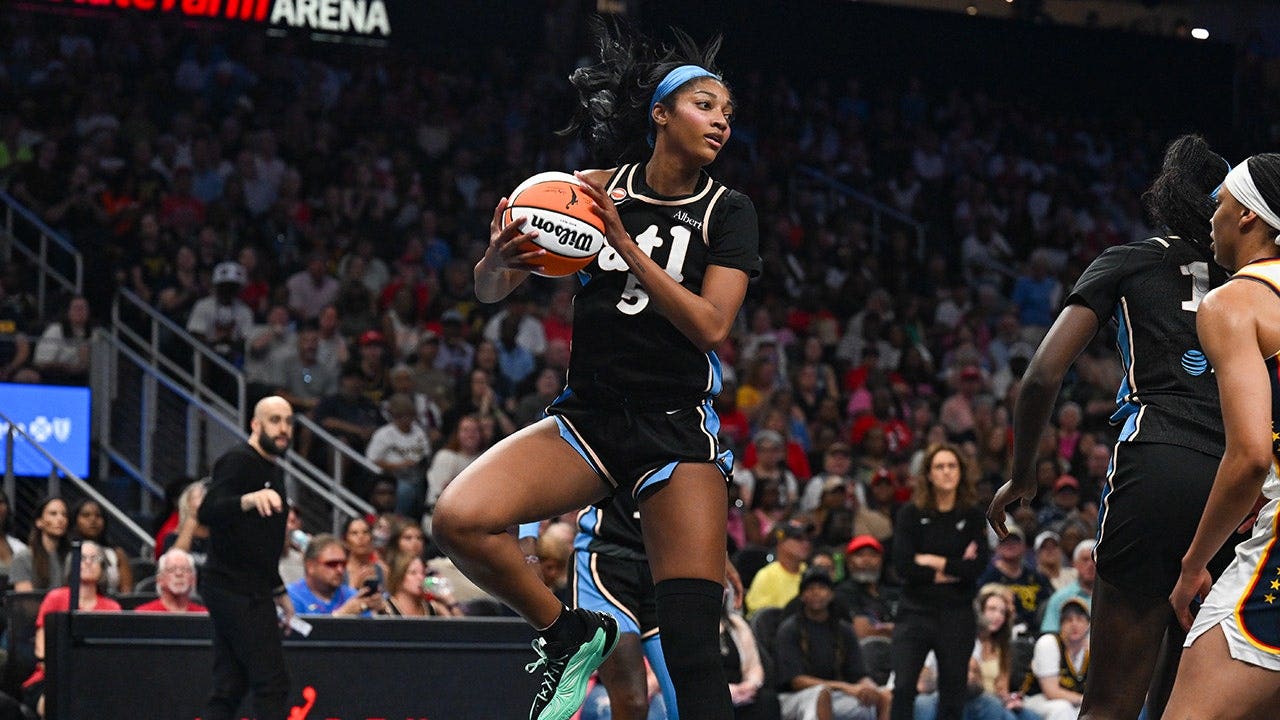
Broadcast Integration and Editorial Synergy in ESPN’s Coverage
ESPN has deployed a coordinated multimedia strategy around Angel Reese, elevating her rebounding profile into a central narrative pillar of its WNBA coverage. This approach relies on cross-platform vertical integration: long-form written features published on ESPN digital platforms are systematically integrated into live game broadcasts. During a recent matchup between the Chicago Sky and the Indiana Fever, play-by-play commentator Ryan Ruocco and analyst Holly Rowe repeatedly referenced and endorsed an ESPN-authored analytical feature exploring Reese’s rebounding “secrets.”
Rather than treating editorial reporting and live commentary as distinct verticals, the network leveraged in-game airtime to reinforce its proprietary content. This deliberate integration reflects what broadcast executives describe as corporate synergy, directly embedding pre-packaged editorial framing into live-action consumption.
Narrative Engineering: From Statistical Output to ‘Clairvoyance’
The core of ESPN’s strategic framing lies in transforming Reese’s rebounding from a technical skill into a distinctive, almost mythic athletic trait, characterized on air and in print as bordering on “clairvoyance.” This specific rhetorical packaging serves multiple strategic objectives:
- Intellectual Property Creation: Packaging an athlete’s physical discipline as a unique proprietary trait establishes an enduring, easily digestible storyline for casual viewers.
- Authoritative Positioning: Publishing deep-dive technical breakdowns allows the network to position itself as the definitive analytical authority on modern WNBA basketball.
- Audience Retention: Centering broadcast commentary around a singular, elite skill creates sustained viewer engagement throughout the game, regardless of scoreboard fluctuations.
Commercial Leverage and Platform-Driven Brand Equity
This coordinated media push generates a measurable feedback loop across the sports media ecosystem. By committing extensive editorial and broadcast resources to Reese’s frontcourt dominance, ESPN simultaneously elevates the athlete’s individual brand equity and boosts the market valuation of its own WNBA broadcast package. High-density coverage drives social engagement, which strengthens audience metrics and reinforces commercial interest from league partners and sponsors.
Editorial Independence vs. Rights-Holder Promotion
The aggressive amplification of this narrative highlights the structural tension within modern sports broadcasting between journalistic objectivity and promotional imperatives. As media networks invest heavily in league broadcast rights, editorial assets are increasingly deployed to cultivate marquee stars and optimize broadcast viewership. For the WNBA, this institutional backing drives unprecedented visibility; for sports journalism, it underscores the growing convergence of athlete branding, rights-holder incentives, and editorial narrative construction.

Photo by Alexas_Fotos on Pixabay.