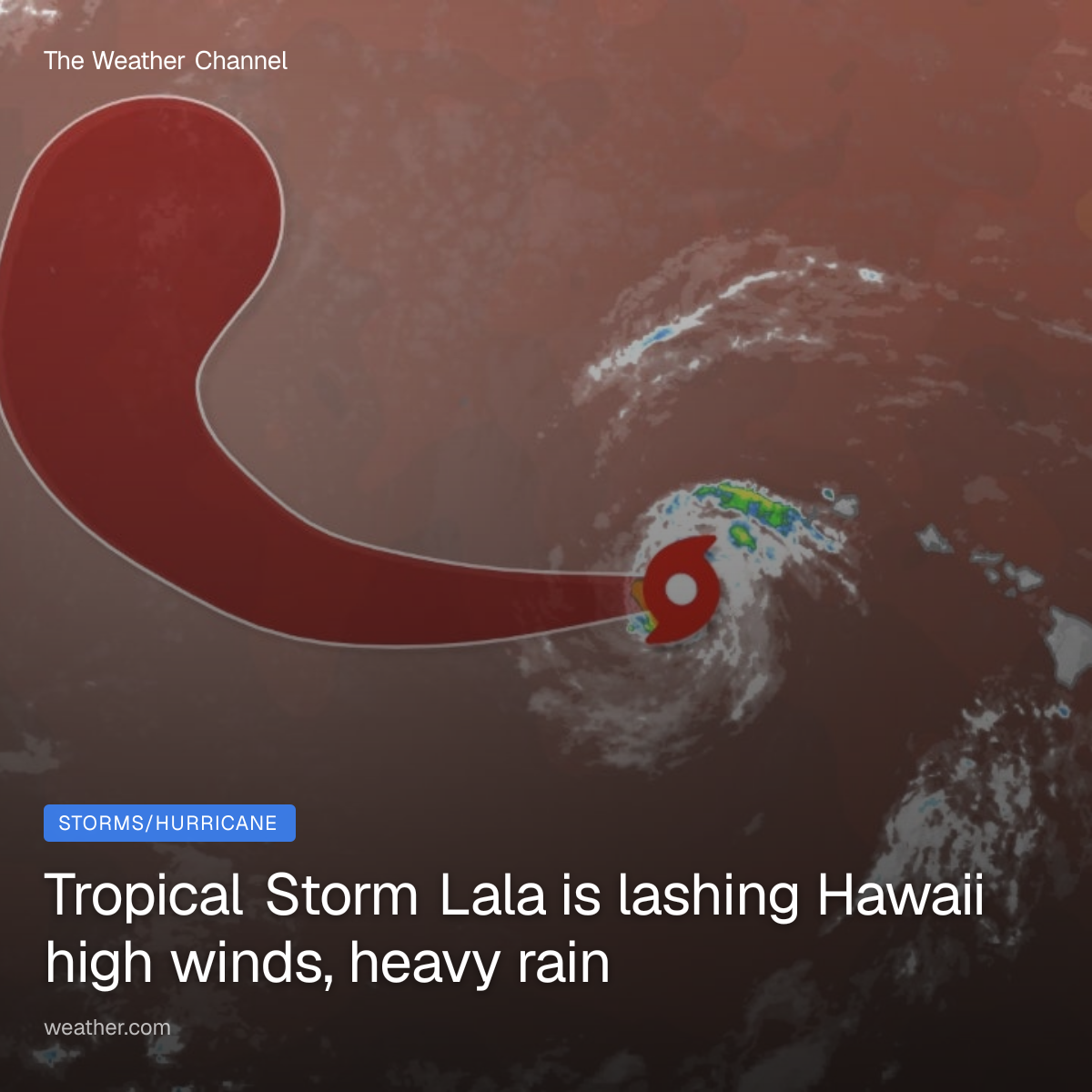
The passage of Hurricane Lala within 35 miles of Hawaiʻi Island underscores a volatile shift in regional risk profiles, demonstrating that a formal landfall is not a prerequisite for catastrophic damage. By tracking along the southern coast at hurricane strength, Lala subjected the island’s critical infrastructure to the maximum kinetic energy of its eyewall—specifically the high-velocity winds and storm surge typical of a storm’s northeast quadrant.
This event represents only the fifth instance since 1957 of a hurricane passing within a 70-mile radius of the Big Island, joining the ranks of 2024’s Hone and 2020’s Douglas. The statistical compression of these near-miss events suggests an accelerating trend of meteorological threats that challenges existing institutional preparation windows.
Meteorological Forcing and the ‘Dirty Side’ Phenomenon
The strategic severity of Lala’s trajectory was defined by its orientation, which placed the archipelago on the storm’s ‘dirty side.’ This positioning ensured that prevailing winds drove storm surge and moisture directly into the island’s complex topography with maximum efficiency. The resulting atmospheric forcing generated a rare convergence of flooding rain, landslides, and sub-alpine snow, presenting a multi-vector operational challenge for emergency responders.
For the maritime and coastal sectors, the sustained duration of high-velocity winds and pounding surf likely altered coastal bathymetry and compromised shoreline assets. Even without landfall, the financial exposure remains high due to the prolonged window of peak-intensity conditions that stressed structural integrity across the island’s southern flank.
Infrastructure Vulnerability and the Kaʻū Crisis
The destruction of six bridges in the Kaʻū District serves as a definitive metric of the structural vulnerabilities within the state’s aging transit network. Mayor Kimo Alameda’s aerial assessments confirmed that these failures have severed primary logistical arteries, evolving localized flooding into a state of regional isolation. Acting Administrator Darryl Oliveira of the Hawaiʻi County Civil Defense Agency characterized the event as the most severe flooding impact recorded in the history of the Kaʻū area.
The community of Pāhala remains the focal point of this infrastructure deficit. Cut off from essential services, the town’s isolation necessitates a pivot toward high-cost air-based or maritime logistics. This hydraulic failure suggests that current engineering standards for local transit may no longer suffice against the intensification of modern extreme weather events.
Strategic Recovery and Institutional Oversight
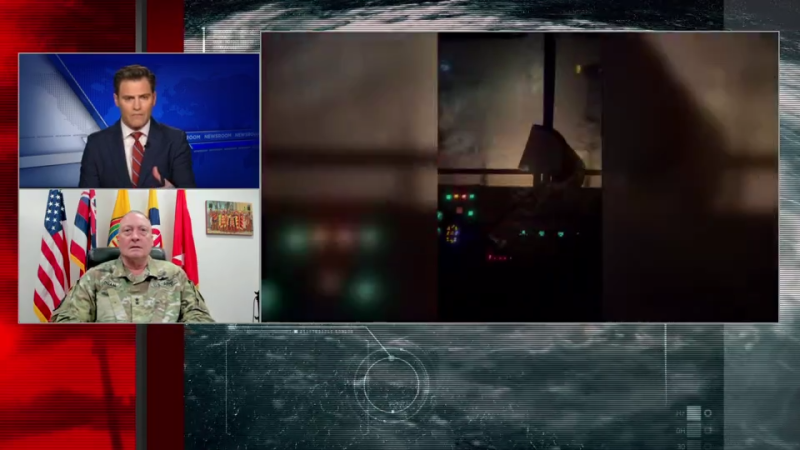
Major General Stephen F. Logan’s oversight of the recovery efforts marks a transition from tactical emergency response to a long-term strategic operation. The Adjutant General’s timeline indicates that restoring basic connectivity will be a capital-intensive, multi-year process. Furthermore, the reported damage to at least 100 homes introduces a complex layer of residential displacement and insurance liability that will strain local administrative capacities.
From an institutional perspective, this crisis serves as a benchmark for future policy recalibration. The severity of the Kaʻū flooding implies that current flood zone designations and building codes may require revision to account for increased precipitation intensity. As a critical node for Pacific logistics, Hawaii must now prioritize the systemic resilience of its internal transport corridors to mitigate future downstream effects on supply chain reliability.