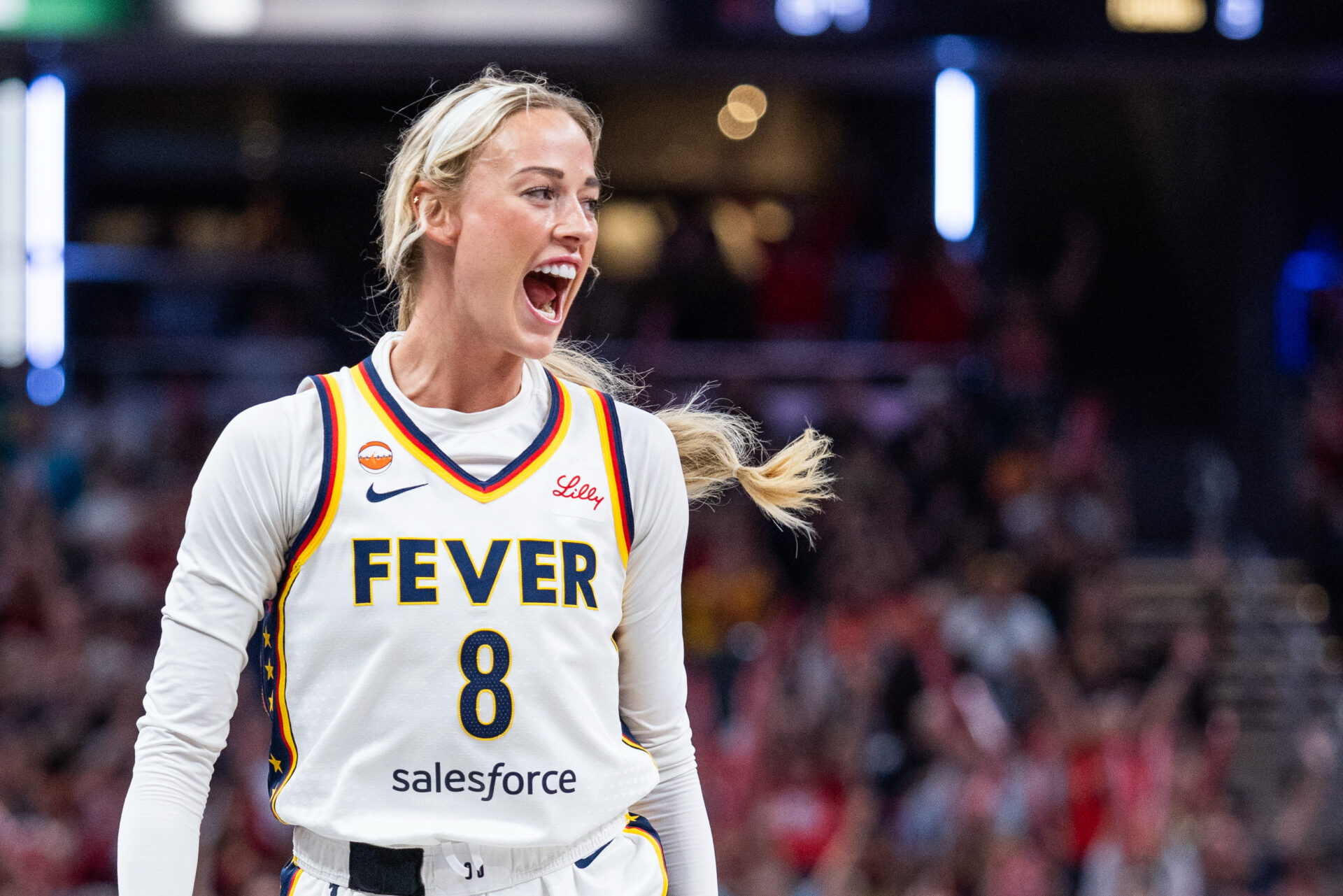
The convergence of athletic achievement, personal milestones, and broader media engagement highlights the evolving ecosystem of modern professional women’s basketball. As Indiana Fever guard Sophie Cunningham celebrated her thirtieth birthday on August 16, the intersection of team performance, athlete branding, and league visibility underscored the multifaceted nature of contemporary sports careers. Such milestones arrive within an intense competitive window, illustrating how individual visibility operates alongside demanding franchise objectives.
Cunningham’s dual presence as an established floor spacer in the Women’s National Basketball Association and a participant in editorial media projects—such as the 2026 Sports Illustrated Swimsuit edition photographed at Captiva Island—points to a widening commercial footprint for elite athletes. This diversification of professional engagement reflects broader shifts in sports marketing, where player influence extends well beyond traditional athletic metrics. Athletes increasingly navigate dual imperatives of maintaining high-level on-court productivity while managing expansive personal brands across digital and print media platforms.
Operationally, these off-court platforms coexist with rigorous competitive schedules that dictate player focus and team strategy. The Indiana Fever’s ongoing campaign, marked by a tightly contested game against the Atlanta Dream where Cunningham contributed three points, seven rebounds, and one assist, emphasizes that commercial visibility remains anchored to athletic output. Franchises and players alike operate within systems where performance on the hardwood directly dictates franchise valuation, media rights momentum, and fan engagement retention.
Competitive Dynamics and Standings Pressure
The timing of Cunningham’s milestone birthday coincided with a critical juncture in the regular season standings, directly impacting the strategic calculus of both the Indiana Fever and the Atlanta Dream. Entering the fixture with a 22-12 record securing the fourth position in the playoff picture, the Fever faced an immediate challenge from a Dream roster positioned closely behind at 21-12. In professional leagues governed by compressed playoff margins, singular regular-season matchups carry substantial weight for postseason seeding and home-court advantages.
Within this competitive matrix, roster depth and situational execution dictate outcomes that reverberate across organizational balance sheets and fan base sentiment. Role players and seasoned guards like Cunningham provide the operational stability required to navigate late-season fatigue and defensive adjustments. Coaching staffs must balance player utilization rates against the physical toll of a rigorous schedule, ensuring that personnel remain durable as playoff intensity accelerates.
The structural proximity of the Fever and the Dream in the league table illustrates the parity characterizing contemporary WNBA competition. Minor fluctuations in shooting efficiency, defensive rotations, or rebounding margins translate directly into significant shifts in the playoff bracket. Consequently, every possession carries institutional weight, influencing television ratings, ticket sales, and potential postseason revenue streams for participating franchises.
The Evolution of Athlete Profiles and Media Integration
The media reception surrounding Cunningham’s inclusion in editorial features alongside her pregame tunnel fashion choices demonstrates the modern alignment between sports journalism and lifestyle culture. Social media platforms serve as primary channels where pregame arrivals function as curated runway presentations, generating organic impressions for both athletes and team brands. This dynamic transforms standard arena entry routines into valuable digital real estate, expanding the reach of sports organizations beyond traditional broadcast windows.
Teammates such as Lexie Hull, Aliyah Boston, and Monique Billings utilizing public comment sections to acknowledge personal milestones highlights the internal chemistry and public camaraderie fostered within professional locker rooms. These digital touchpoints reinforce team identity while cultivating dedicated communities of followers who engage with the personal narratives of players. Such engagement metrics provide quantifiable value to corporate sponsors and broadcast partners seeking deeper audience connection.
At the same time, this high level of public scrutiny requires athletes to balance personal expression with professional discipline. The ability to transition seamlessly from fashion-forward social media presentations to high-stakes defensive assignments on the court defines the modern professional athlete’s operational competency. As leagues expand their commercial partnerships, understanding these intersections between media presence and athletic execution becomes essential for evaluating the sustained growth of women’s professional sports.