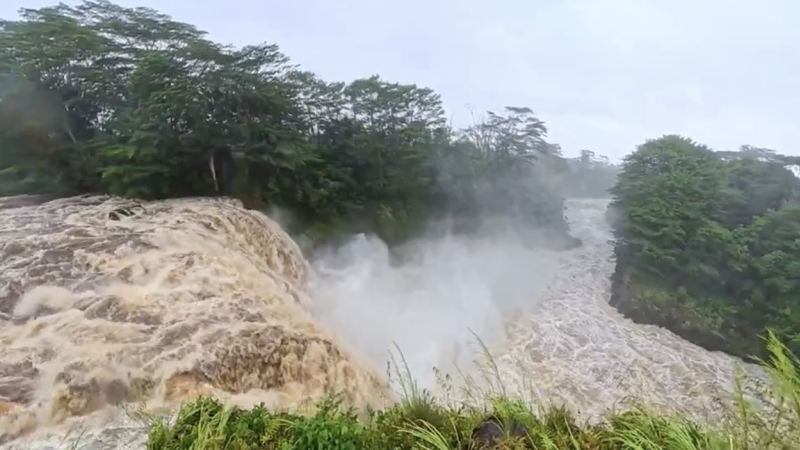
The passage of Tropical Storm Lala across the Hawaiian archipelago has evolved from a meteorological event into a systemic infrastructure crisis. While the storm’s center has bypassed Kauai, the resulting structural damage and utility disruptions present a multifaceted challenge for state recovery operations. As of Sunday evening, approximately 165,000 customers remain without power, a significant loss of load that underscores the persistent vulnerability of the state’s electrical grid to high-velocity wind gusts in complex island topographies.
Grid Vulnerability and Utility Restoration Challenges
The concentration of outages across Hawaii, Honolulu, and Maui counties suggests that existing grid-hardening initiatives have yet to meet the threshold required for hurricane-force wind events. For utility providers, the restoration process is complicated by the logistical difficulty of deploying heavy equipment into mountainous regions where transmission lines are most exposed. This event likely serves as a catalyst for future regulatory discussions regarding the acceleration of undergrounding projects and the implementation of decentralized microgrid solutions to mitigate large-scale systemic failure.
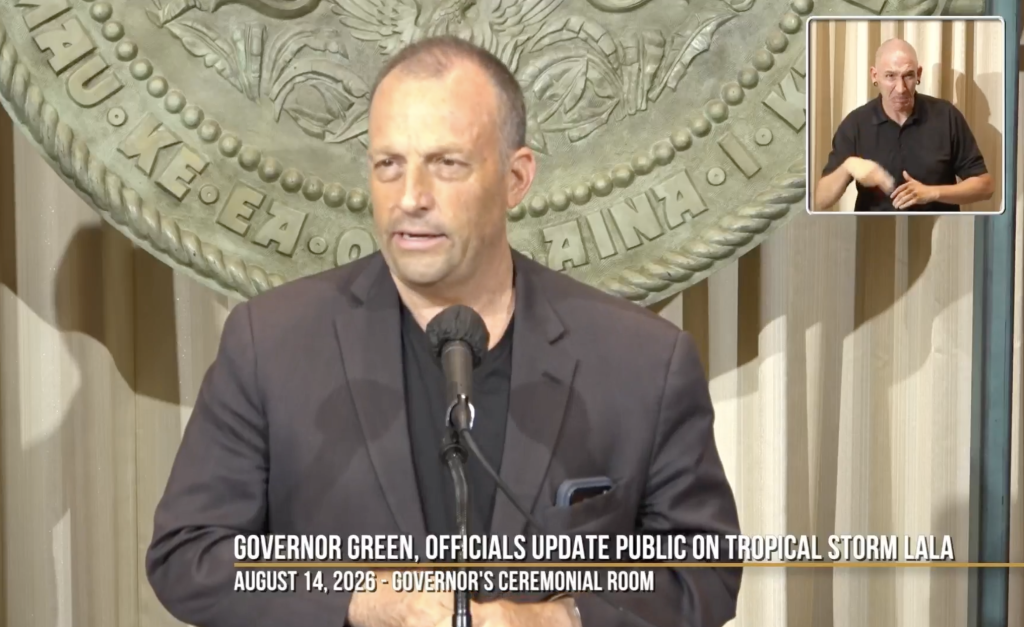
Governor Josh Green’s executive mandate to suspend all non-essential state and county operations on Monday, August 17, is a strategic intervention to maintain public safety and clear transit corridors for emergency responders. By authorizing administrative leave for thousands of public employees, the state is prioritizing the restoration of essential services over administrative continuity, acknowledging that the closure of schools and judiciary facilities will result in a temporary but significant contraction in private-sector productivity.
Logistical Severance and Regional Isolation in Kaʻū
The Kaʻū District on Hawaiʻi Island has emerged as the epicenter of structural failure. Aerial assessments led by Mayor Kimo Alameda confirmed the destruction of six bridges, effectively severing the primary logistical arteries for the southern portion of the island. These failures transition the regional situation from a disaster response to a long-term isolation crisis. The destruction of these critical assets necessitates a shift toward maritime or aerial supply chains for the delivery of medical and fuel resources until temporary bypasses can be engineered.
The human impact is equally acute, with over 100 residences reported damaged or destroyed. The intensity of localized flooding, exemplified by homes being swept off their foundations, indicates that current flood mitigation infrastructure was insufficient for the storm’s precipitation volume. Acting Administrator Darryl Oliveira of the Hawaiʻi County Civil Defense has signaled that the recovery in Kaʻū will require substantial federal capital, likely prompting a reassessment of risk premiums and building codes in the state’s high-risk flood zones.
Economic and Environmental Outlook
While the storm is exiting the region, the lingering flood watch for Kauai, Oahu, and Maui highlights the ongoing risk of soil saturation. External rainbands continue to threaten areas already compromised by landslides and flash flooding, preventing a full transition to the reconstruction phase. The strategic focus now shifts to the Department of Transportation’s structural integrity audits and the prioritization of power restoration for critical facilities like hospitals and water pumping stations.
The recovery from Tropical Storm Lala will be a multi-month endeavor, particularly for communities in Kaʻū. The institutional response—marked by proactive closures and methodical damage assessment—reflects an evolving governance model focused on risk mitigation. However, the event has exposed deep-seated vulnerabilities in Hawaii’s transportation and energy sectors that will likely dominate the state’s policy and budgetary landscape for the coming decade.