The Strategic Decoupling of the iPhone Lifecycle
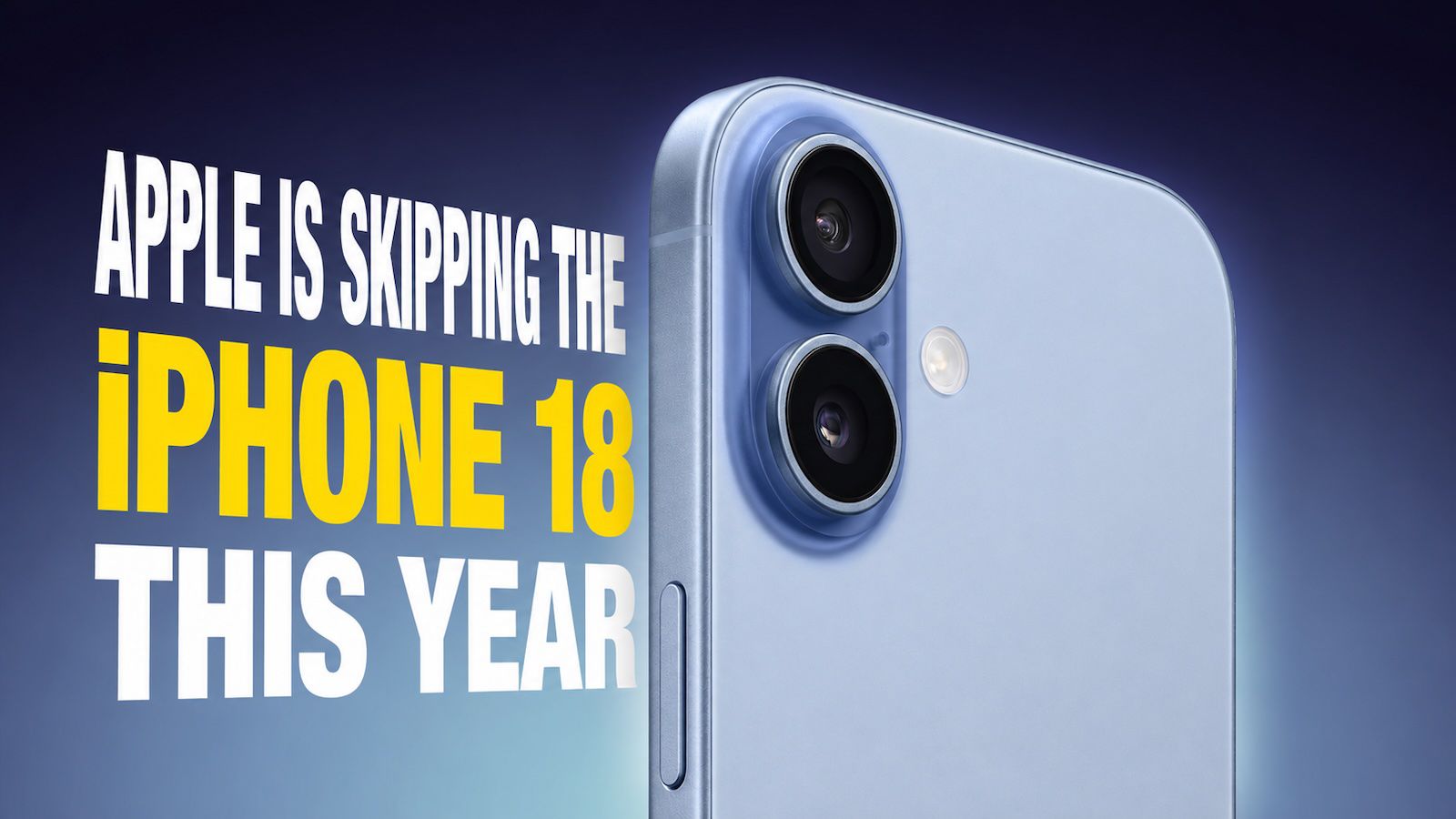
Apple is executing a paradigm shift in its hardware cadence, abandoning the synchronized launch model maintained since the iPhone 11 era. Disclosures from Pegatron’s Q2 2026 earnings call indicate that the base iPhone 18 will bypass the traditional September window, appearing instead in Q1 2027. This decoupling is a calculated move to prioritize high-margin hardware—specifically the iPhone 18 Pro, Pro Max, and the inaugural foldable ‘iPhone Ultra’—during the peak fourth-quarter fiscal period.
By concentrating supply chain resources on premium skews, Apple optimizes its Average Selling Price (ASP) and mitigates the logistical bottlenecks associated with simultaneous global launches. This staggered approach effectively smooths revenue volatility, providing a secondary growth catalyst in the traditionally stagnant post-holiday quarter.
The Ternus Succession: A Hardware-Centric Executive Shift
The September 2026 launch serves as the debut for John Ternus, who succeeds Tim Cook as CEO. Transitioning from Senior VP of Hardware Engineering, Ternus represents a pivot toward product-driven leadership. While Cook’s tenure was defined by operational logistics and supply chain mastery, Ternus inherits a roadmap defined by high-complexity form factors and deep AI integration.
Institutional continuity is maintained through Cook’s transition to the Board, yet the ‘Ternus Era’ signals a more aggressive integration of the hardware-software stack. The market will evaluate Ternus on his ability to scale the foldable ecosystem while defending the industry-leading margins established by his predecessor.
Supply Chain Transparency and the Foldable Pivot
Signals from Largan Precision and Pegatron underscore the technical hurdles of the iPhone 18 series. The introduction of the ‘iPhone Ultra’—Apple’s first foldable—necessitates a sophisticated assembly process that likely dictated the bifurcated release schedule. This move repositioned the ‘standard’ iPhone as a mid-cycle entry point, effectively elongating the product’s relevance across a 12-month period.
The strategic delay of the base model also allows Apple to defend its mid-range market share with the iPhone 18e and iPhone Air 2 without cannibalizing the flagship’s launch momentum. This tiered ecosystem management ensures that Apple maintains a constant narrative of innovation, capturing early adopters in autumn and value-conscious consumers in spring.
Fiscal Implications and Ecosystem Evolution
Financially, this restructure addresses market saturation in the premium smartphone segment. By diversifying the launch windows, Apple reduces the risk of initial supply shortages for its most expensive devices. Concurrently, the September event is expected to showcase a revamped Siri-integrated hardware ecosystem, emphasizing services-led growth through advanced personal assistant capabilities. This holistic approach ensures that hardware upgrades are increasingly tied to the utility of Apple’s proprietary intelligence services.