Anatomy of a Training Camp Media Disclosure
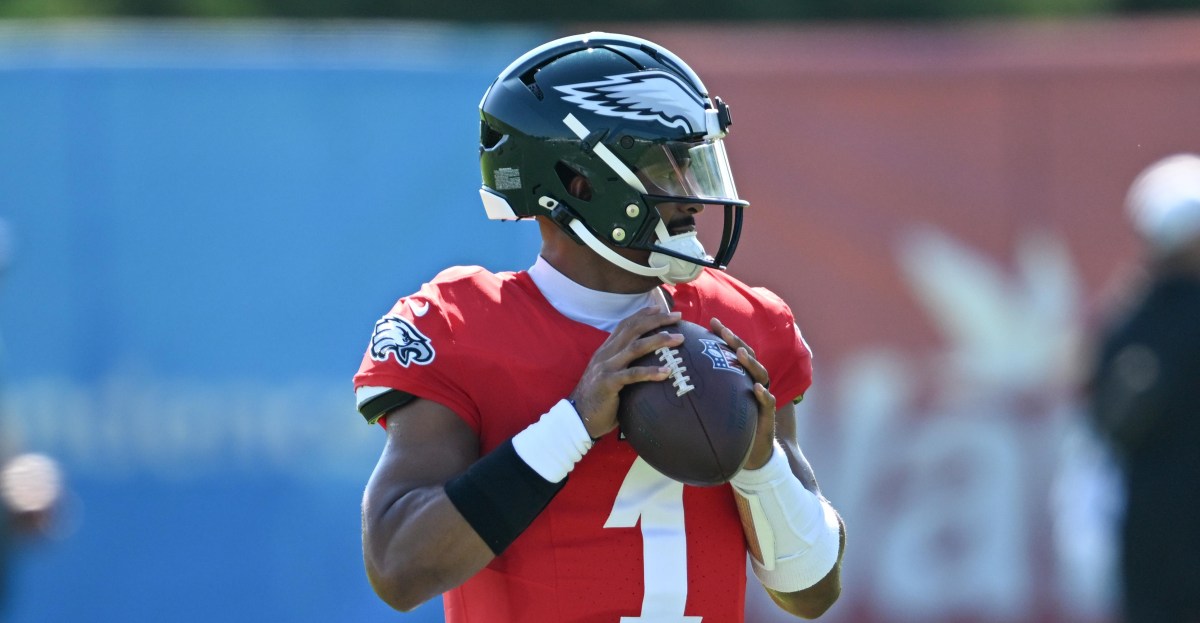
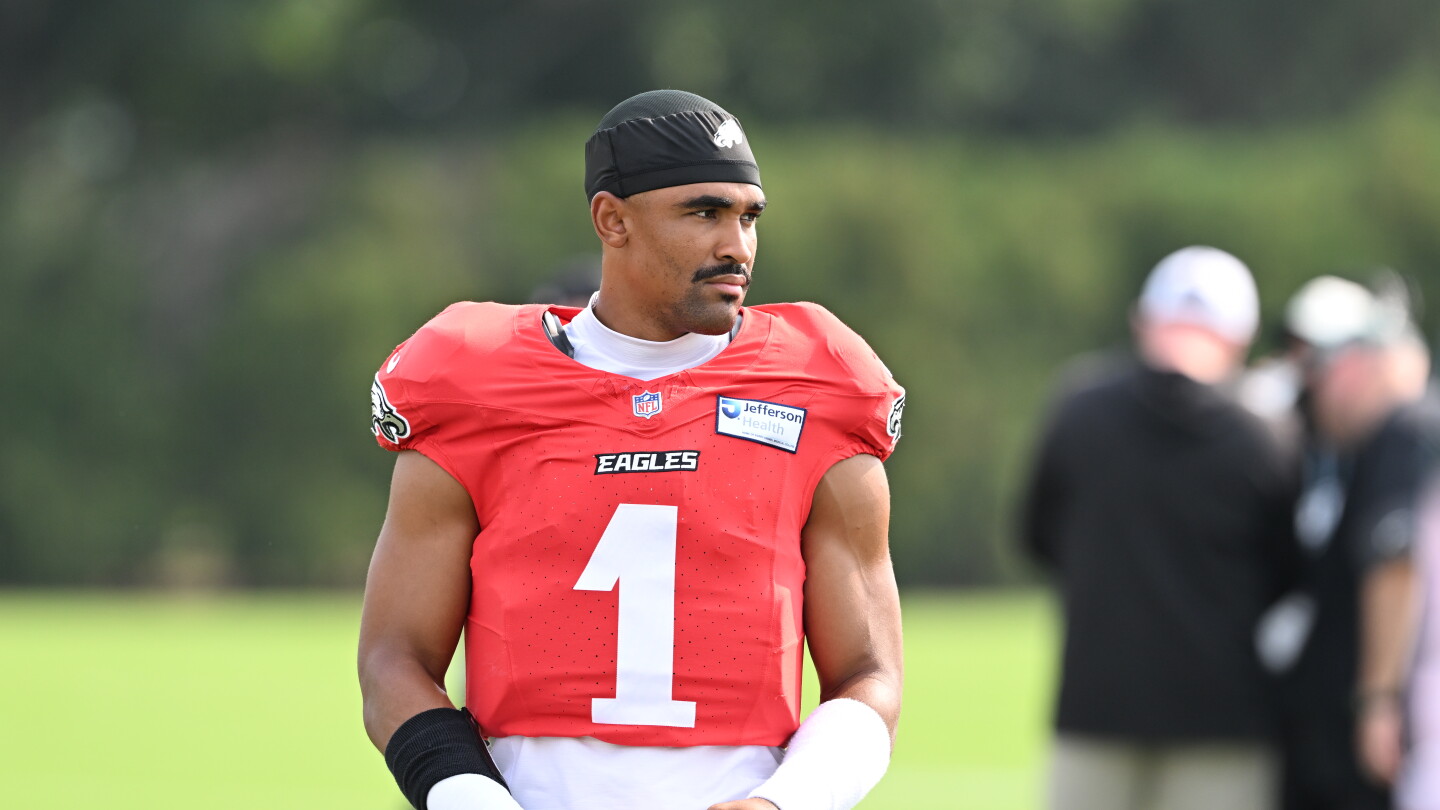
Professional sports franchises manage complex digital communication infrastructures where published media undergoes strategic evaluation. When the Philadelphia Eagles digital media apparatus broadcast a training camp interception thrown by franchise quarterback Jalen Hurts to cornerback Quinyon Mitchell, it departed from standard protocols. Public relations departments typically safeguard marquee assets by curating messaging that minimizes exposure of operational vulnerabilities during open evaluation periods.
Captioning the sequence “Right on Q” while highlighting Mitchell’s defensive execution transformed a routine practice repetition into an institutional statement. Digital properties serve as official chronicles of team progress, making the broadcast of high-profile quarterback errors a notable operational shift. This transparency intersects with scrutiny regarding offensive execution, player tendencies, and the equilibrium between internal accountability and narrative control.
Operational Pressures and Tactical Execution
NFL training camp dynamics reflect tensions between coaching staffs and personnel executing complex game plans. Previous reports, including analysis from Derrick Gunn, noted internal discussions regarding Hurts’ adherence to structured play calls versus improvisational instincts. Amplifying a negative outcome involving the central offensive figure prompts observers to evaluate whether the publication signals organizational desires for stricter tactical adherence.
The boundary between a digital media oversight and a calculated institutional signal remains a subject of speculation. While the possibility of independent employee error provides an administrative buffer, the velocity of modern sports media ensures immediate, unvarnished visibility. Generating millions of impressions, the clip transcended its local practice context to become a focal point of national analytical commentary.
Digital Reach and Routine Repetition Amplification
Training camps function as laboratories for experimentation and technical refinement where interceptions occur daily without structural consequence. Placing isolated repetitions into the global digital ecosystem strips away developmental context. Analysts such as Dan Orlovsky have characterized external criticism of routine training camp occurrences as disproportionate to the athletic reality.
High viewership metrics illustrate the commercial demand for narrative conflict during the offseason. Franchises navigate tension between maintaining digital engagement metrics and protecting the psychological safety of key performers. As digital teams leverage competitive moments for audience interaction, the line between authentic documentation and provocative framing blurs.
Institutional Strategy and Stakeholder Exposure
Governance of official team channels requires coordination between football operations, public relations, and content creators to prevent messaging misalignments. When public outputs appear to undermine foundational assets like the starting quarterback, stakeholder exposure increases across financial and competitive dimensions. Front offices invest heavily in quarterback stability, making signals of friction a matter of interest to investors, sponsors, and media partners.
The incident underscores a reality where professional sports organizations function simultaneously as competitive athletic enterprises and high-volume media companies. The imperative to generate viral digital engagement can conflict with traditional sports management strategies focused on protecting player confidence. Managing this duality influences how routine training camp occurrences are documented in an era of hyper-accessible digital media.