Judicial Proceedings and Procedural Context
The murder trial of Lindsay Clancy advances before Judge William Sullivan in Massachusetts, shifting from historical accounts of maternal mental health treatment to direct forensic pathology. This transition marks a critical phase in the state’s presentation of three murder charges, requiring judicial management to balance graphic physical evidence with courtroom decorum and objective record-keeping.
Forensic Evidence and Medical Examiner Testimony
Pathologists Dr. Barbara Olson and Dr. Kimberley Springer detailed the mechanics of death for the three Clancy children. Dr. Olson testified that findings from 5-year-old Cora’s autopsy indicated ligature strangulation. Medical examiners determined that both Cora and 3-year-old Dawson died from asphyxia, establishing an empirical baseline of physical evidence for the indictments.
Courtroom Dynamics and Legal Defense Strategy
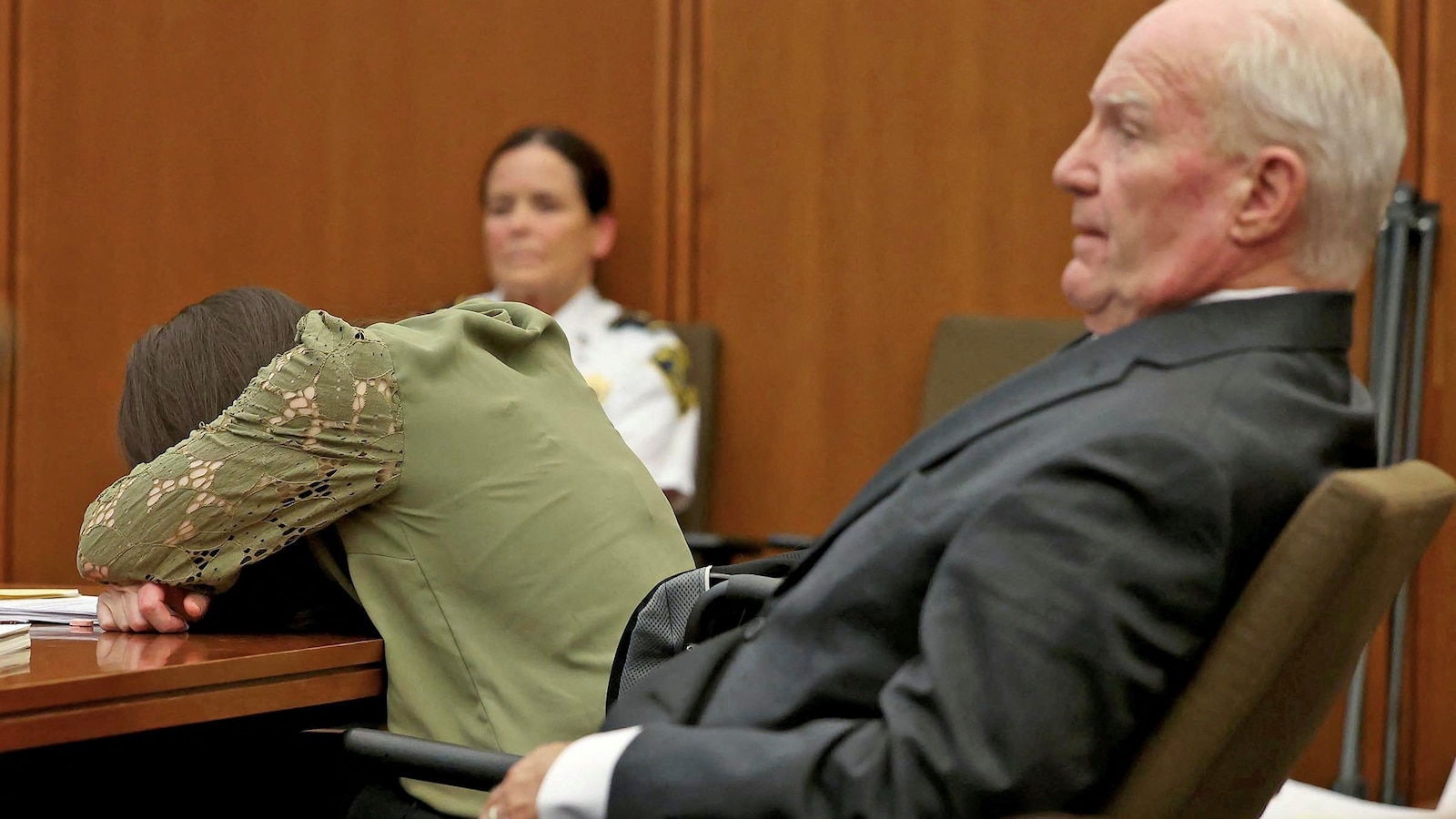
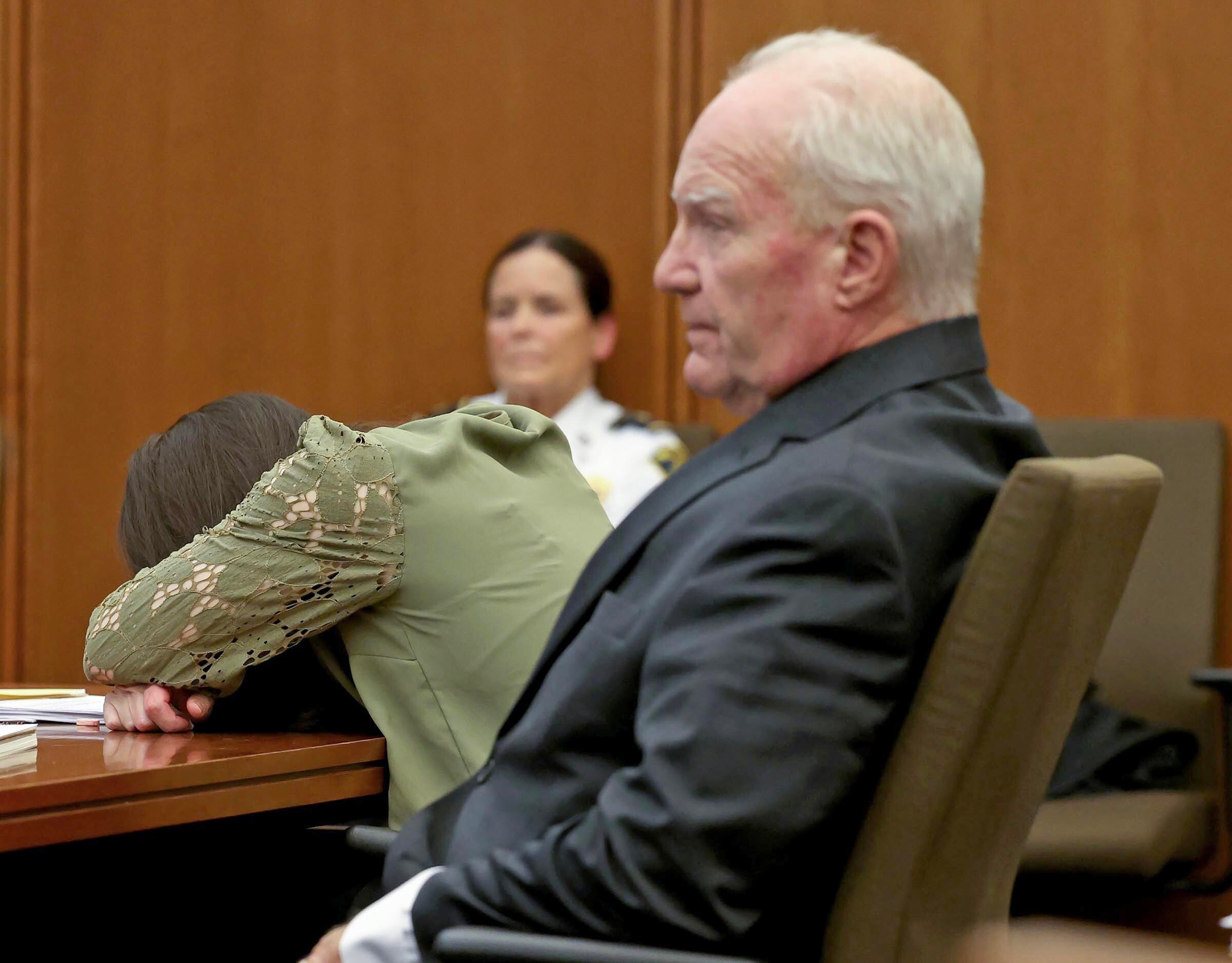
The 35-year-old defendant, who has pleaded not guilty to three counts of murder, experienced visible distress during the autopsy disclosures, prompting temporary recesses and her eventual removal from the courtroom. Defense counsel must contextualize these forensic revelations alongside prior testimony concerning postpartum psychiatric treatment, defining the strategic interplay between clinical mental health history and visceral physical evidence.
Institutional Significance and Public Disclosure
The trial highlights the intersection of severe postpartum psychiatric disorders and the criminal justice system. High-profile media coverage and public interest draw ongoing attention to institutional resources like maternal mental health hotlines, while judicial rulings on sensitive testimonies establish procedural precedents for handling high-stakes litigation involving severe familial homicide.