Atmospheric Subsidence and Geopotential Anomalies
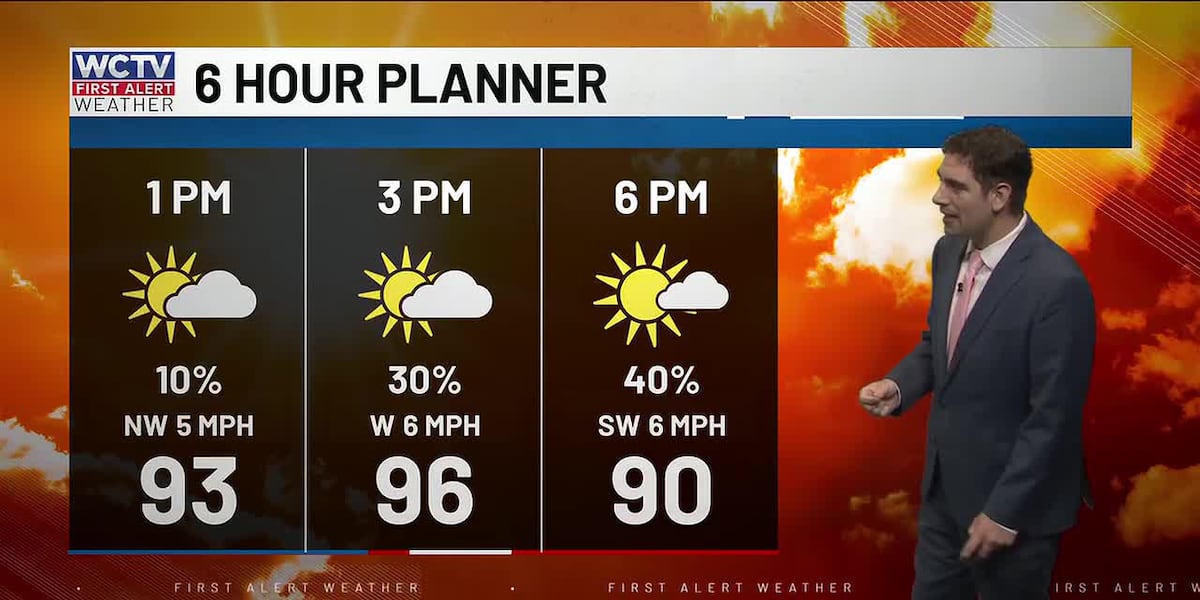
The 2026 Florida heat event is defined by a persistent anticyclonic ridge centered over the peninsula. This high-pressure system facilitates intense atmospheric subsidence, where sinking air undergoes adiabatic warming, effectively creating a ‘thermal lid.’ This inversion layer inhibits convective lift, preventing the development of the mesoscale sea breeze boundaries that typically provide diurnal cooling via afternoon thunderstorms. The resulting stagnation has established a stable, high-energy environment with ambient temperatures consistently in the mid-to-upper 90s and dew points exceeding 75 degrees.
The Saharan Air Layer (SAL) as a Convective Inhibitor
A significant influx of the Saharan Air Layer (SAL) has exacerbated the heat regime. This elevated layer of warm, dry, and mineral-rich air acts as a secondary mechanism for rainfall suppression. By maintaining a sharp moisture gradient and high aerosol optical depth, the SAL increases convective inhibition (CIN), ensuring that surface moisture remains trapped. Furthermore, the radiative forcing of the dust particles may contribute to localized warming in the lower troposphere, creating a positive feedback loop that accelerates morning temperature spikes and delays the onset of any potential nocturnal cooling.
Operational Risk Management and First Alert Thresholds
The activation of First Alert Weather Days for Sarasota and Manatee counties represents a transition from descriptive forecasting to predictive risk mitigation. The designated 12:00 PM to 7:00 PM window aligns with peak solar radiation and the zenith of the heat index, which currently oscillates between 107 and 110 degrees. For institutional stakeholders, this threshold necessitates a pivot in operational continuity plans, specifically targeting occupational safety in high-exposure sectors such as civil construction, agriculture, and scholastic athletics. These alerts serve as a strategic trigger for liability management and physiological safety protocols.
Socio-Economic Externalities of Sustained Hyperthermia
The persistence of the heat dome has forced a restructuring of the regional labor economy. Outdoor industries are facing significant productivity decrements due to mandatory cooling intervals and the compression of operational windows into low-light hours. Similarly, youth athletic programs are experiencing logistical strain as practices are shifted to mitigate heat-stress liability. Beyond the immediate labor impact, the cumulative thermal load on regional infrastructure—specifically the power grid and municipal water systems—nears critical design limits as cooling demand remains sustained through record-approaching overnight lows.
Tropical Surveillance and the Cristobal Interaction
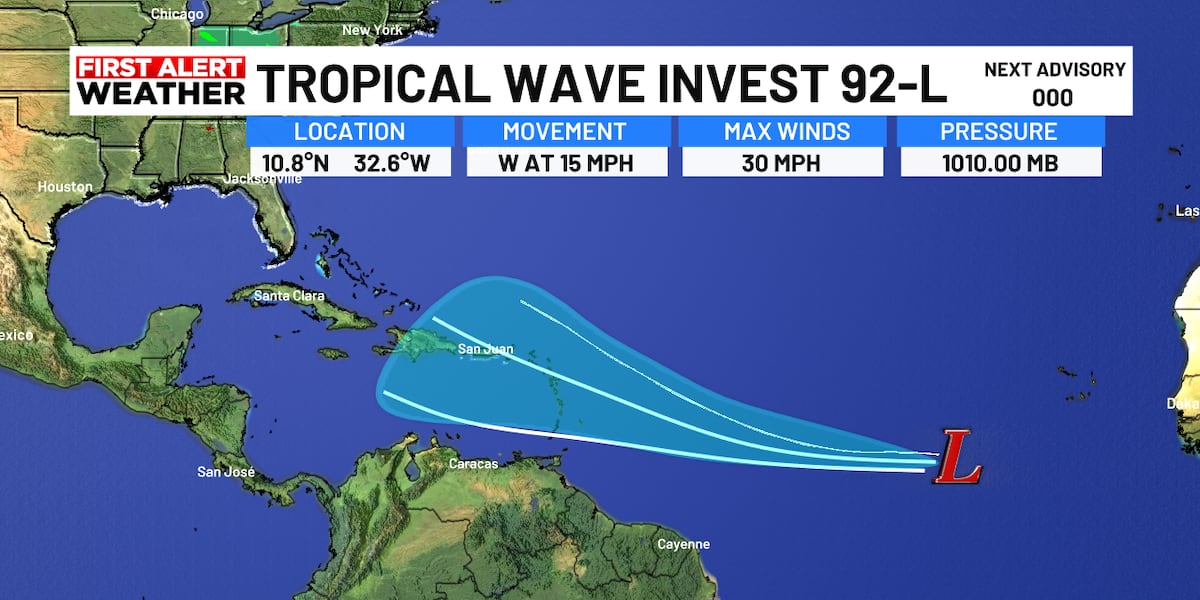
While the Florida peninsula remains under the influence of a blocking high, the trajectory of Tropical Storm Cristobal and two adjacent low-pressure systems is being monitored for potential synoptic disruption. The interaction between the SAL and these tropical cyclogenesis areas is complex; while the dust currently inhibits development, a shift in steering currents could displace the heat dome. However, short-term projections suggest the high-pressure ridge remains the dominant features, offering no immediate path for tropical moisture to break the current precipitation deficit.
Conclusion: Resilience in the New Thermal Baseline
The August 2026 heat event underscores a narrowing delta between average summer conditions and historical thermal extremes. The convergence of synoptic-scale pressure systems and intercontinental aerosol transport requires a more sophisticated approach to urban planning and emergency management. As high-pressure stagnation becomes a more frequent operational reality, the state’s economic and public health resilience will depend on the integration of real-time meteorological intelligence into every level of institutional decision-making.