Navy Faces Intense Scrutiny Over Sailor Well-being Amid Record Deployment
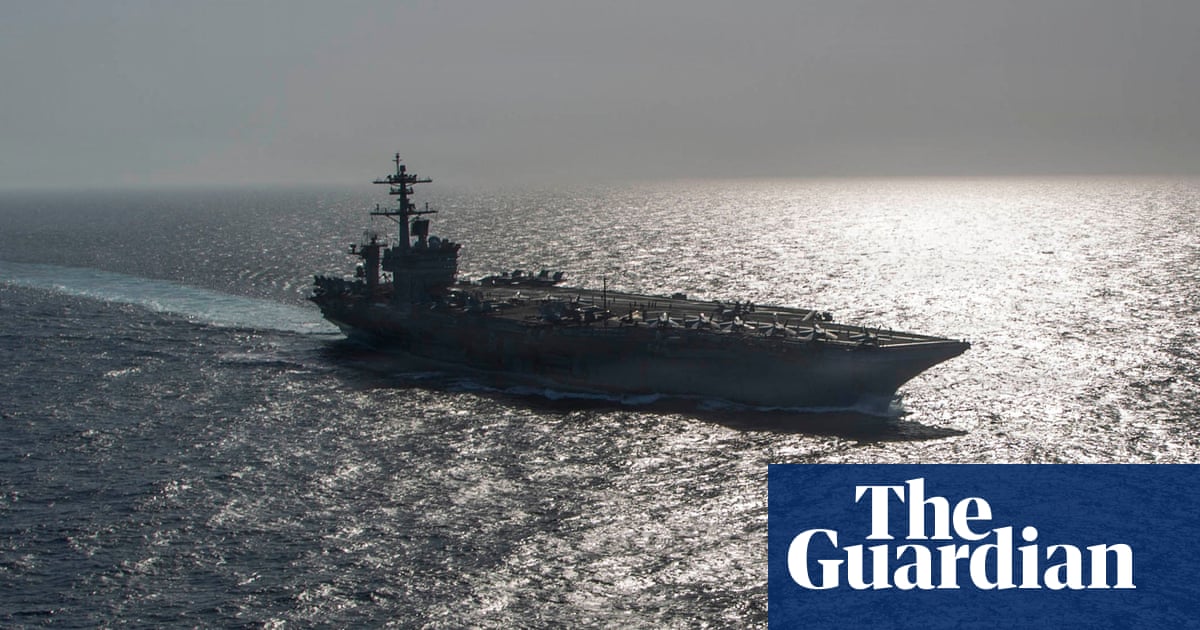
The U.S. Navy confronts heightened scrutiny over a critical mental health crisis affecting sailors aboard the USS Abraham Lincoln. This situation is directly linked to a deployment now significantly exceeding its original duration, reportedly necessitated by operations concerning Iran. Specialist military publications have detailed alarming incidents, including multiple reported attempts by sailors to harm themselves or go overboard, starkly illustrating the severe psychological toll of prolonged sea duty.
The USS Abraham Lincoln’s crew has endured nine months at sea, with an unprecedented continuous stretch of 250 days without making landfall. This extended operational tempo, unprecedented for an aircraft carrier in modern naval history, has amplified anxieties among both deployed personnel and their families, leading to direct and emotional confrontations with Navy leadership.
Families Voice Urgent Concerns to Navy Leadership
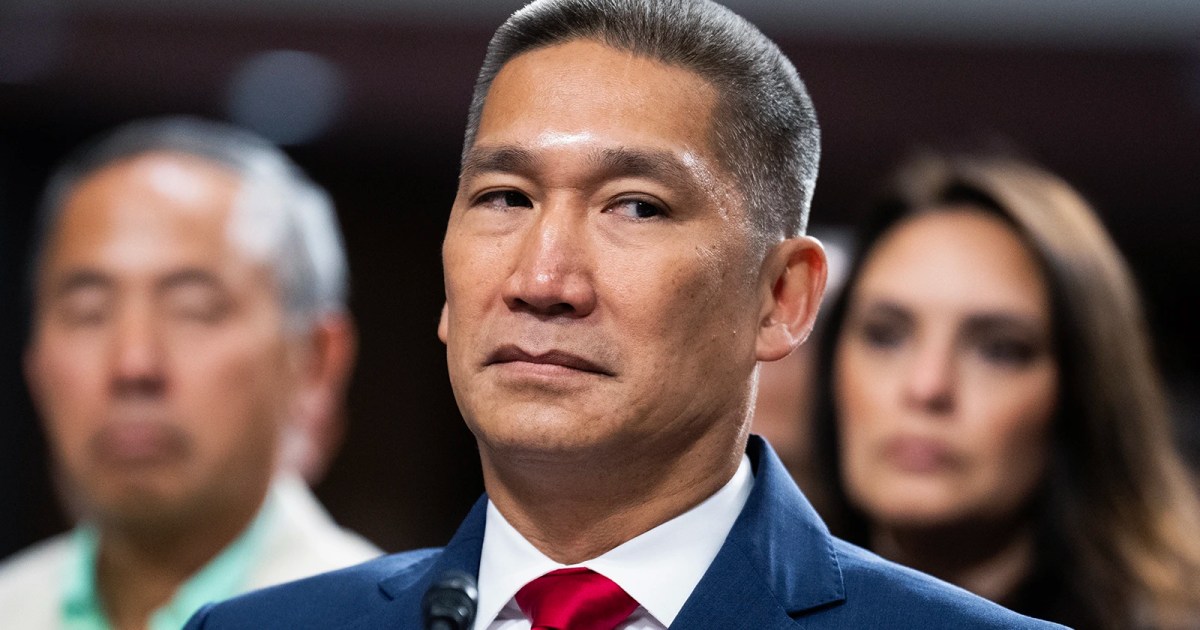
During an emotional town hall in San Diego, approximately 200 family members conveyed profound anxieties to acting Navy Secretary Hung Cao and other senior officials. The gravity of the situation was underscored by a spouse’s account of her husband’s text message expressing suicidal ideation, highlighting the depth of despair experienced by some crew members. Families articulated a significant breakdown in trust, with one attendee directly stating to Secretary Cao that the Navy had “broken trust.” These sentiments reflect widespread disillusionment stemming from the arduous and extended deployment, impacting morale and confidence.
Further compounding tensions, a subsequent virtual meeting reviewed by media confirmed continued distress. Family members directly conveyed their deep worries about the well-being and safety of their loved ones, particularly given the carrier’s record-breaking time at sea supporting ongoing military operations.
Congressional Inquiry Demands Accountability for Deployment Failures
Senator Richard Blumenthal, a member of the Senate Armed Services Committee, has formally requested a comprehensive accounting from the Navy regarding the conditions aboard the USS Abraham Lincoln. His inquiry, directed to Defense Secretary Pete Hegseth and acting Navy Secretary Hung Cao, seeks detailed information on the deployment extensions and the reported systemic issues.
The senator’s inquiry specifically addresses critical concerns about basic supplies, water quality, plumbing infrastructure, mental health support efficacy, deck safety, and the reliability of the mail system. These issues, detailed in a Military Times report, are directly linked to the strain of the extended deployment and the reported critical incidents among the crew.
The USS Abraham Lincoln initially departed Naval Base San Diego on November 21, 2025, with an anticipated deployment of seven months. Its current status, extending well into its ninth month, signifies a substantial deviation from the planned operational schedule, raising critical questions about strategic planning, resource allocation, and personnel management.
Operational Strain Fuels Logistical Failures and Crew Distress
Reports from the USS Abraham Lincoln detail a convergence of operational strains and significant logistical failures contributing to the crew’s distress. Beyond the psychological impact of the extended deployment, sailors are reportedly contending with severe shortages of essential supplies, including food scarcity and compromised water quality. These deficiencies directly impact daily living conditions and the operational readiness of the approximately 5,000 sailors and marines aboard.
The disruption in the mail system, leading to lost care packages and communications for months, represents a critical failure in maintaining morale and family connection. For deployed personnel, these packages are vital links to home, providing comfort and essential personal items; their loss exacerbates feelings of isolation and neglect.
Concerns about deck safety and plumbing, alongside persistent mental health challenges, suggest systemic issues in maintaining the operational integrity and habitability of the aircraft carrier. These are not isolated incidents but indicators of potential broader problems in naval deployment management and resource prioritization during extended high-tempo operations.
Strategic Implications of Prioritizing Operational Tempo Over Crew Welfare
The prolonged deployment of the USS Abraham Lincoln, tied to U.S. military operations in the Middle East, raises significant strategic questions. The imperative to maintain a sustained presence in a volatile region necessitates extended operational cycles, but the reported consequences for crew well-being suggest a dangerous imbalance between strategic objectives and human capital management.
This situation carries downstream risks for recruitment and retention within the Navy. A reputation for prioritizing operational tempo over sailor welfare could deter potential recruits and increase attrition rates among experienced personnel, impacting long-term naval readiness and capability.
Furthermore, the public airing of grievances through military publications and congressional inquiries exposes the Navy to significant reputational damage. Maintaining public trust is crucial for military funding and support, and such incidents fuel debate about military spending and operational strategies.
Competitive Pressures and Institutional Accountability
The challenges faced by the USS Abraham Lincoln crew occur within a context of heightened geopolitical tensions. Competitors and adversaries may interpret such internal strains as indicators of vulnerability, potentially influencing their strategic calculations.
Internally, the Navy faces pressure to demonstrate effective force management, especially amid evolving threats. The reported issues on the Lincoln could trigger internal reviews and policy adjustments to prevent similar crises. This includes re-evaluating deployment schedules, enhancing mental health support infrastructure, and improving logistical supply chains.
The congressional oversight, led by Senator Blumenthal, provides critical institutional checks on executive branch military operations. These inquiries aim to ensure accountability and compel necessary reforms, especially when service member welfare is potentially compromised. The outcomes could lead to legislative changes impacting naval operations and resource allocation.
Impact on Naval Operations and Overall Readiness
The mental and physical well-being of sailors directly correlates with operational effectiveness and naval readiness. A crew experiencing significant stress, fatigue, and deprivation is demonstrably less capable of executing complex missions, responding to threats, and maintaining required standards.
The reported incidents, if indicative of a wider trend, necessitate a reassessment of deployment lengths and the frequency of extended operational cycles. This may involve exploring alternative strategies for maintaining presence, such as more frequent crew rotations or utilizing different naval assets, to mitigate the cumulative impact of prolonged sea duty.
Moreover, the logistical failures, including supply shortages and mail disruptions, highlight potential weaknesses in the naval supply chain and support infrastructure. Addressing these issues is critical for crew morale and for ensuring naval vessels are adequately provisioned for sustained operations, thereby maintaining a credible deterrent posture.
Future Implications for Military Family Support Systems
The vocal concerns raised by families of the USS Abraham Lincoln crew underscore the critical importance of robust support systems for military families. The emotional and practical burdens on these families during extended deployments are substantial, and their role in maintaining sailor morale is often underestimated.
The town hall and virtual meetings, while contentious, represent a necessary channel for communication and feedback. Future naval leadership must prioritize more proactive and transparent engagement with families, ensuring they are kept informed and that their concerns are addressed promptly. This may involve enhanced communication protocols, improved access to support services, and greater involvement of family advocacy groups in policy development.
The experiences of the USS Abraham Lincoln families could catalyze broader reforms in how the military addresses long-duration deployment challenges, strengthening support networks for families ashore and recognizing their integral role in the overall effectiveness of the armed forces.
Broader Context of Modern Military Deployment Challenges
The situation aboard the USS Abraham Lincoln is not isolated but exists within a larger framework of challenges facing modern military forces. The increasing complexity of global security environments necessitates prolonged deployments, straining personnel and their families.
Naval operations, in particular, demand sustained presence and readiness far from home. The technological sophistication of modern warships also requires highly trained crews operating under demanding conditions for extended periods, making mental and physical resilience paramount.
The reported issues highlight a persistent tension between strategic imperatives and the human cost of military service. Addressing this requires continuous evaluation of operational doctrines, resource allocation, and personnel welfare policies to ensure national security demands do not compromise the health and well-being of service members.
The Indispensable Role of Media in Exposing Military Conditions
Reporting by specialist military publications like Navy Times and Stars and Stripes has been instrumental in bringing the conditions on the USS Abraham Lincoln to public and congressional attention. These outlets bridge the gap between operational realities and broader public discourse.
Their investigative work provides essential oversight, ensuring issues affecting military personnel are not overlooked. The detailed accounts of sailor distress and family concerns have directly prompted official inquiries and public engagement, demonstrating media’s leverage in driving accountability.
The transparency fostered by such reporting is vital for maintaining public trust in military institutions. By illuminating the challenges faced by sailors during extended deployments, these media organizations contribute to a more informed debate on military policy, resource management, and the ethical considerations of prolonged operational commitments.
Institutional Response and Critical Policy Considerations
The congressional inquiry initiated by Senator Blumenthal represents a significant institutional response. Legislative oversight is a crucial mechanism for compelling governmental agencies, including the Department of the Navy, to address systemic problems and implement corrective actions.
The Navy’s response will likely involve a multi-faceted approach: a thorough review of deployment scheduling, an assessment of mental health support services, and an examination of logistical and supply chain vulnerabilities. The aim is to implement policy changes that enhance sailor well-being without compromising operational effectiveness.
Furthermore, the incident may prompt a broader re-evaluation of the balance between strategic necessity and personnel welfare in military planning. This could lead to increased investment in support infrastructure, revised training for resilience, and a more proactive approach to mitigating risks associated with extended deployments across all branches of the armed forces.