Meteorological Dynamics of Iowa Severe Weather
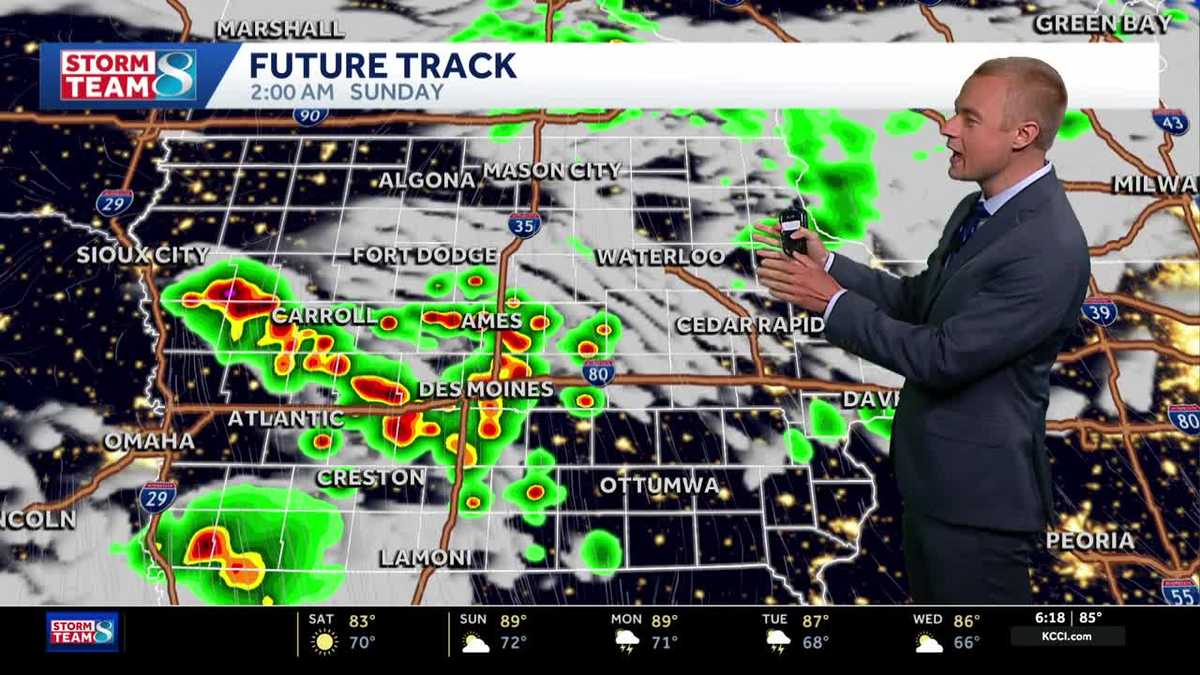
Severe weather traversing northern and eastern Iowa illustrates the complex atmospheric mechanics of mid-latitude convective systems. Thunderstorms originating in the northern tier evolved into organized clusters across central and eastern corridors, sustained by a warm, humid environment providing essential thermodynamic fuel.
Data indicates primary hazards included damaging wind gusts, large hail up to three inches in diameter, torrential rainfall, and frequent lightning. These transient systems present ongoing forecasting challenges due to rapid storm initiation and localized evolution, necessitating continuous real-time monitoring via radar networks.
Regional Infrastructure Exposure and Physical Impact
Thunderstorms caused notable structural disruptions across multiple counties. Emergency management confirmed high winds and downdrafts compromised critical infrastructure, downing power lines and utility poles. Municipalities including Cedar Rapids, Marion, Central City, Independence, Vinton, and Winthrop experienced localized disruptions from fallen arboreal debris.
Buchanan County reported widespread damage to commercial structures, broken windows, and compromised agricultural facilities such as hog confinements. Large hail further underscored the mechanical force exerted on residential and vehicular property.
Operational Response and Emergency Monitoring
Emergency management agencies secured downed electrical lines, cleared transportation corridors, and assessed structural integrity. Utility providers prioritized power restoration as conditions stabilized behind the advancing cold front.
Public dissemination relied on regional media and automated tracking systems, including skycam networks, enabling visual verification of atmospheric conditions to support situational awareness alongside real-time radar data.
Forward-Looking Risk Assessment
A marginal risk level—one out of five—remains in place as warm, humid air masses interact with incoming frontal boundaries. Stakeholders across agricultural and urban sectors must maintain vigilance against sudden convective re-intensification governed by daytime solar heating and wind shear.