Strategic Realignment: From Talent Discovery to Social Equity
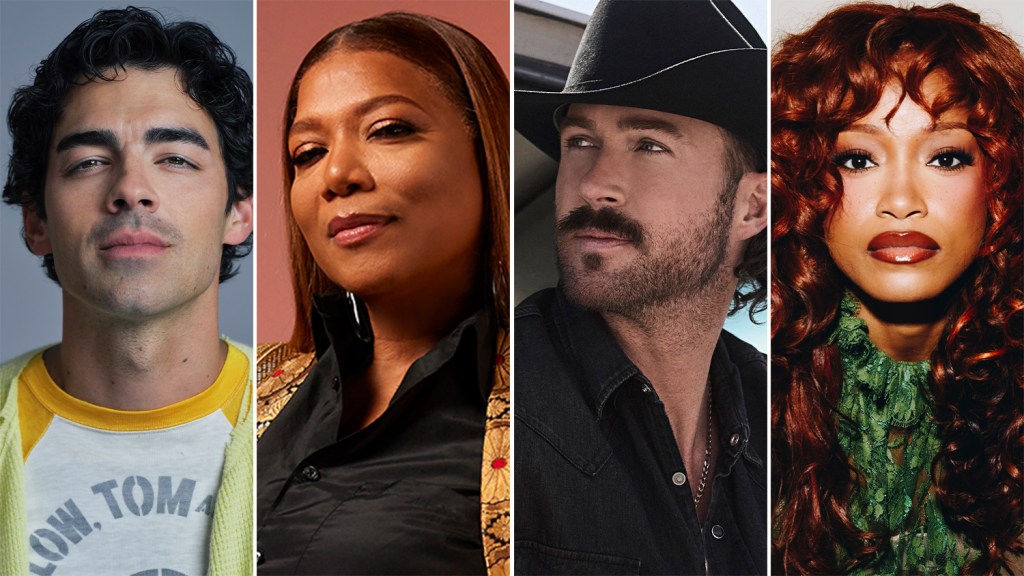
The appointment of Keke Palmer as host for the thirty-first season of The Voice signals a fundamental shift in NBC’s flagship franchise. By replacing Carson Daly—the program’s central figure since 2011—the network is abandoning established procedural continuity in favor of a model optimized for the modern attention economy. This transition marks the debut of The Voice: Celebrity, a format overhaul that replaces the traditional amateur-to-professional pipeline with high-profile competition among established actors, influencers, and athletes.
The Operational Shift Toward ‘Event Television’
This pivot recognizes the diminishing returns of the “undiscovered talent” narrative. By leveraging Palmer’s multi-hyphenate appeal and the pre-built audience infrastructures of celebrity contestants, NBC reduces its marketing burden. While talent fees for established stars exceed amateur stipends, the immediate social media reach and cross-platform synergy provide a higher guaranteed floor for initial viewership. This move also mitigates the long-term pressure to produce commercially viable recording artists, shifting the success metric from industry output to immediate broadcast engagement and advertising sell-through.
The Daly Transition and Palmer’s Digital Advantage
Carson Daly’s departure represents a watershed moment. As the show’s institutional memory, Daly provided a stabilizing presence through years of coaching rotations. In contrast, Keke Palmer offers a different strategic advantage: a proven record in high-energy, improvisational hosting. Her ability to navigate the intersection of traditional broadcast and digital media makes her the ideal lead for a season centered on influencers. Described as a “break” for Daly, this change allows NBC to test a hard reboot while maintaining a safety net for the franchise’s long-term viability.
Coaching Dynamics and Market Positioning
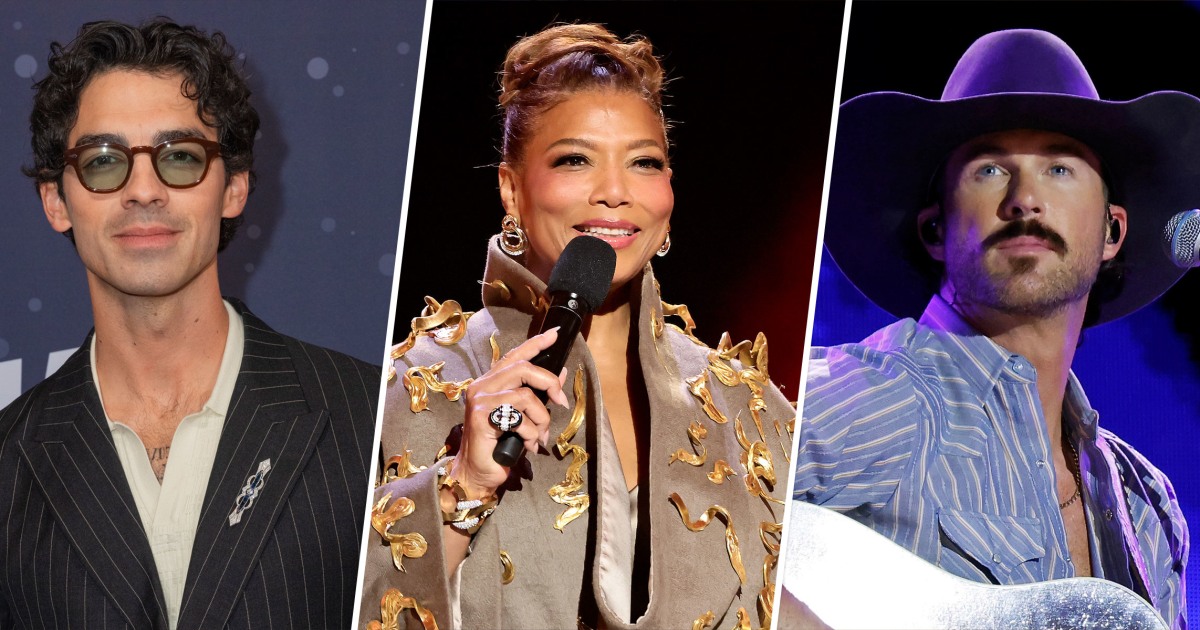
The Season 31 coaching lineup—Joe Jonas, Queen Latifah, and Riley Green—is a deliberate exercise in demographic targeting. Jonas’s debut as a coach mirrors the trajectory of the target audience, while Latifah and Green provide continuity from Season 30. Strategically scheduled for Spring 2027, The Voice: Celebrity follows a legacy-heavy Season 30 featuring Adam Levine and Kelly Clarkson. This two-pronged approach allows NBC to stabilize its traditional base before aggressively pursuing non-traditional viewers with the celebrity iteration.
Institutional Continuity and Industry Implications
Despite radical changes to the contestant pool, the underlying production infrastructure remains tied to the John de Mol framework. For advertisers, the celebrity format offers a predictable environment for brand integration through participants with established niche communities. If successful, this transition will likely influence how other aging reality franchises approach brand fatigue, potentially triggering a broader industry trend toward celebrity-centric reboots of established competition brands.