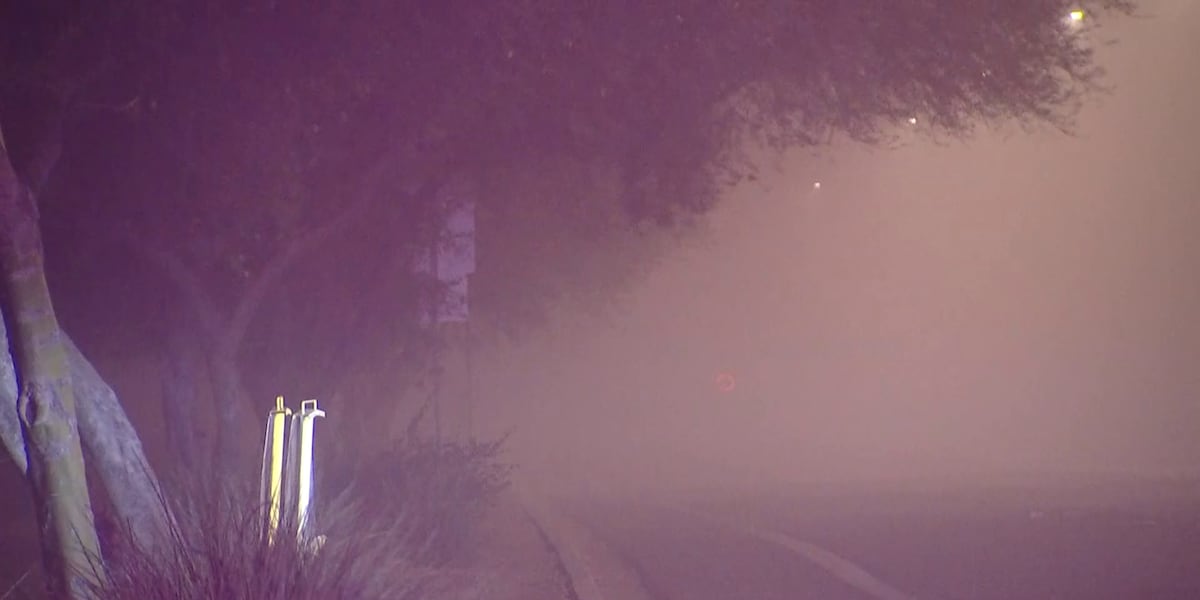
A severe meteorological event recently swept through the Phoenix Valley, generating a particulate-laden haze that prompted urgent public health warnings. While an abrupt outflow boundary provided temporary relief from high temperatures, the resulting atmospheric conditions introduced acute physiological hazards. Medical professionals emphasize that the airborne particulate matter carries distinct respiratory risks, necessitating coordinated responses across municipal healthcare networks.
Emergency specialists identify individuals managing pre-existing respiratory conditions, cardiovascular illnesses, or compromised immune systems as facing the highest exposure risks. Heavy particulate matter acts as a potent irritant, capable of triggering severe asthma exacerbations and placing mechanical stress on the cardiovascular system. Consequently, institutional guidance advises these demographic segments to restrict outdoor activities until air quality parameters normalize.
Operational Pressures on Emergency Healthcare Infrastructure
The influx of particulate matter directly impacts regional healthcare delivery systems, driving measurable surges in emergency department intake during and immediately following high-wind events. Because the margin of safety for vulnerable patients is narrow, hospitals must dynamically adapt to spikes in acute respiratory presentations. This operational reality demands proactive public health communication strategies to mitigate preventable emergency room utilization.
Meteorological Dynamics and Regional Advisory Frameworks
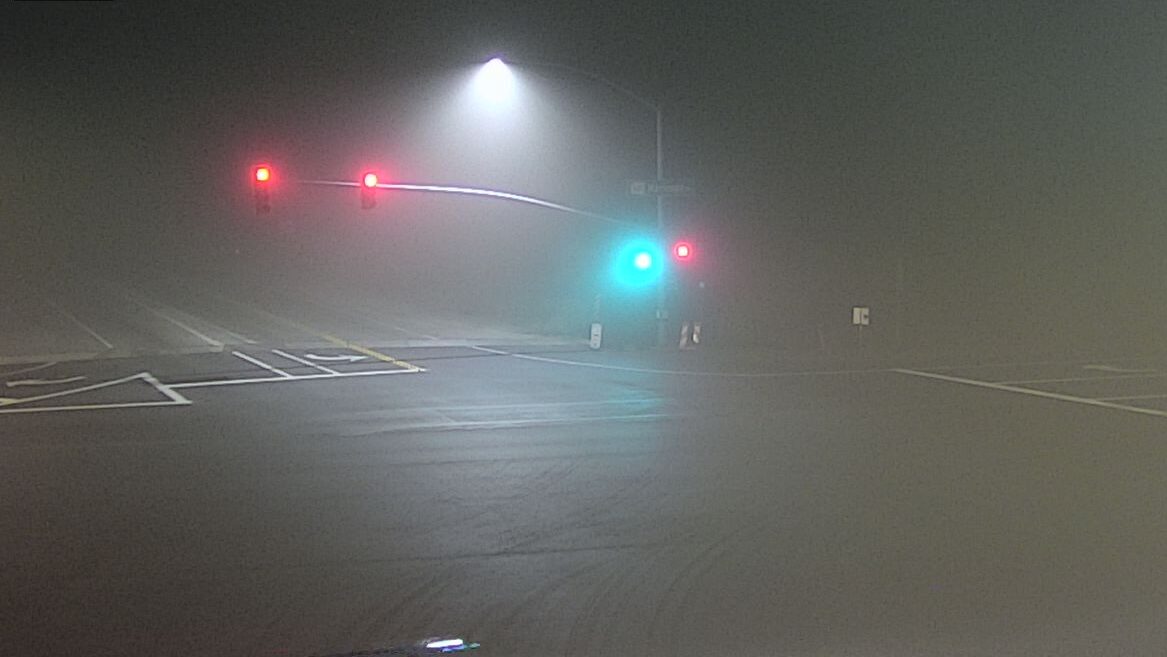
The atmospheric disturbance originated from aggressive outflow boundaries that sustained high winds across the Valley. Meteorological monitoring networks and automated camera infrastructure tracked significant reductions in horizontal visibility, enabling the National Weather Service and regional transit authorities to issue targeted advisories for eastern and southern zones within Maricopa County.
Systemic Environmental and Public Safety Considerations
Environmental health experts stress that dust storm hazards extend beyond visual impairment. Fine particulates penetrate deep into pulmonary pathways, challenging regional air quality standards. Urban planners and public health officials leverage inter-agency coordination—integrating meteorological data with municipal response protocols—to enhance infrastructure resilience and reduce population exposure risks against recurring desert weather patterns.