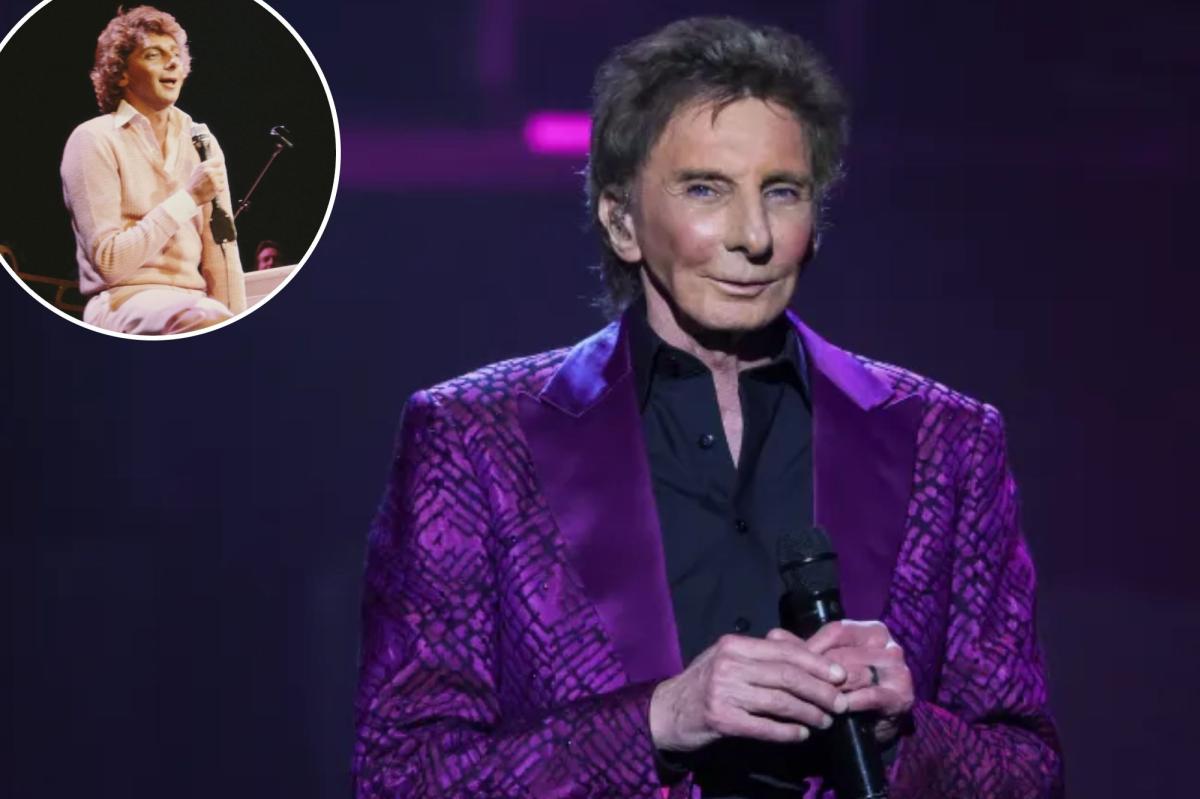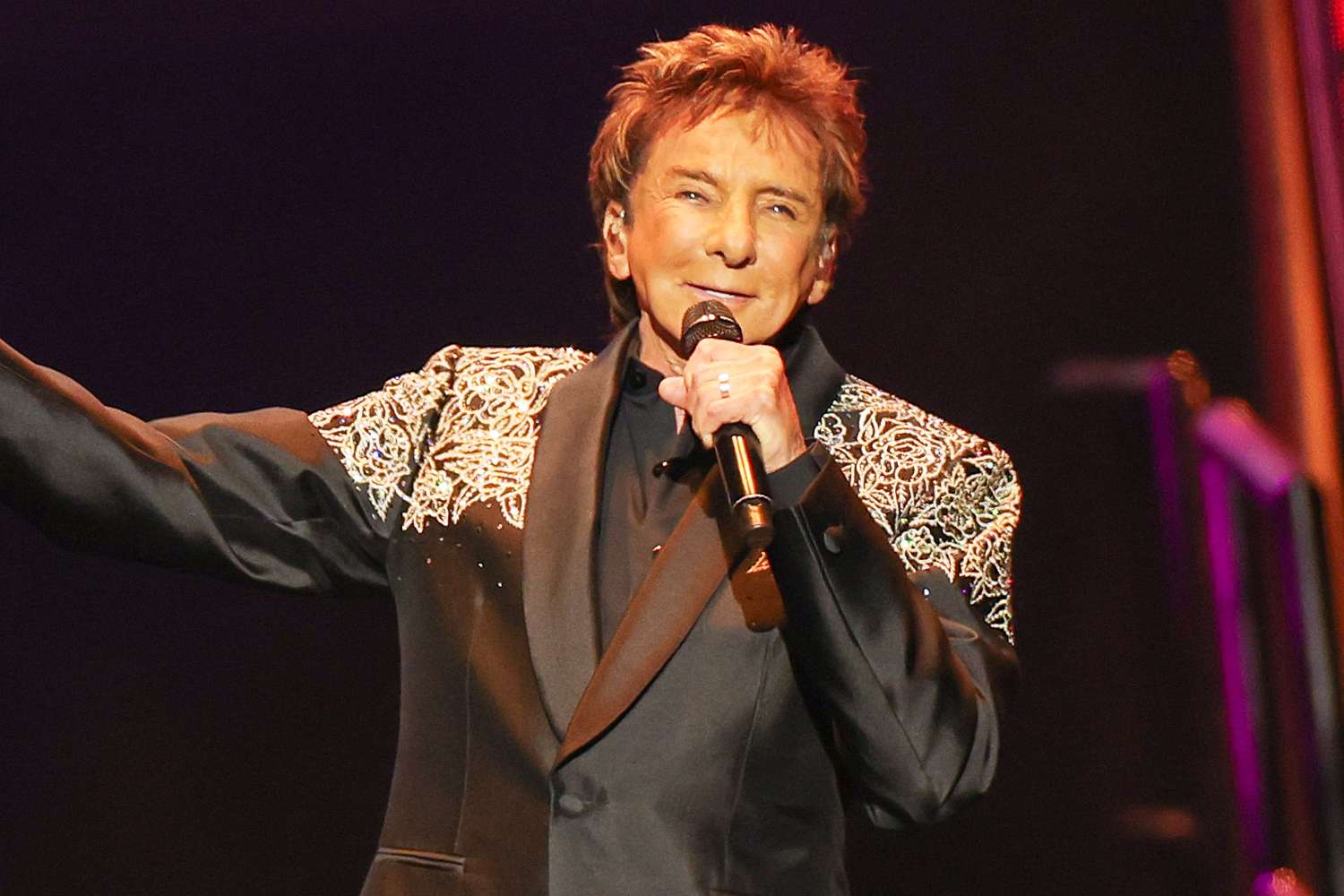
The eleventh-hour postponement of Barry Manilow’s performance at Rupp Arena on August 4, 2026, serves as a high-profile case study in the volatility of legacy artist management. Announced mere minutes before the 7:00 p.m. start, the delay triggered immediate logistical friction for thousands of ticket holders. This marks the second time the Lexington engagement has been deferred, following a March 2026 cancellation linked to the singer’s recovery from stage 1 lung cancer surgery performed in late 2025.
Operational Friction and Sunk Costs
The timing of the announcement—disseminated via social media less than an hour before showtime—highlights a critical failure point in the communication chain between artist management and venue operations. For Rupp Arena, a last-minute reversal necessitates an immediate shift from entry processing to crowd de-escalation. Beyond the frustration of patrons already queued, the venue faces non-recoverable operational costs, including hourly staffing for security, technical crews, and concessions, alongside the loss of peak-hour ancillary revenue.
Strategic Health Narrative and Legal Safeguards
At 83, Manilow’s touring viability is increasingly dictated by the physiological demands of post-cancer recovery. His 2025 diagnosis and subsequent December surgery established a precedent for medical intervention over professional commitments. The official citation of “unexpected and unforeseen circumstances” serves as a tactical legal shield; in the live entertainment sector, such terminology often triggers force majeure clauses or insurance provisions that mitigate the financial penalties associated with a breach of performance contract. This strategic ambiguity preserves the artist’s medical privacy while navigating the complexities of tour insurance.
Yield Maximization and Market Dynamics
The economic footprint of the Lexington date is reflected in a tiered pricing strategy ranging from $39 to $578. This structure is designed to maximize yield from high-net-worth fans while maintaining a baseline of accessibility. However, repeated scheduling shifts test brand loyalty. While Rupp Arena confirmed tickets would remain valid for a future date, the secondary market often reacts with volatility to such uncertainty. For many attendees, the financial impact extends beyond the ticket price to non-refundable travel and hospitality expenses incurred within the Lexington area.
Institutional Implications for Aging Performers
The incident reflects a broader structural challenge: the live music industry’s reliance on an aging cohort of top-tier performers who drive significant regional revenue but introduce systemic health-related risks. As legacy acts continue to dominate the global touring landscape, promoters and underwriters are forced to account for these vulnerabilities through higher premiums and flexible scheduling. The contrast between the Lexington delay and the scheduled performance in Cincinnati the following day raises questions about the criteria for determining a performer’s fitness, highlighting the delicate balance between professional endurance and biological reality.