
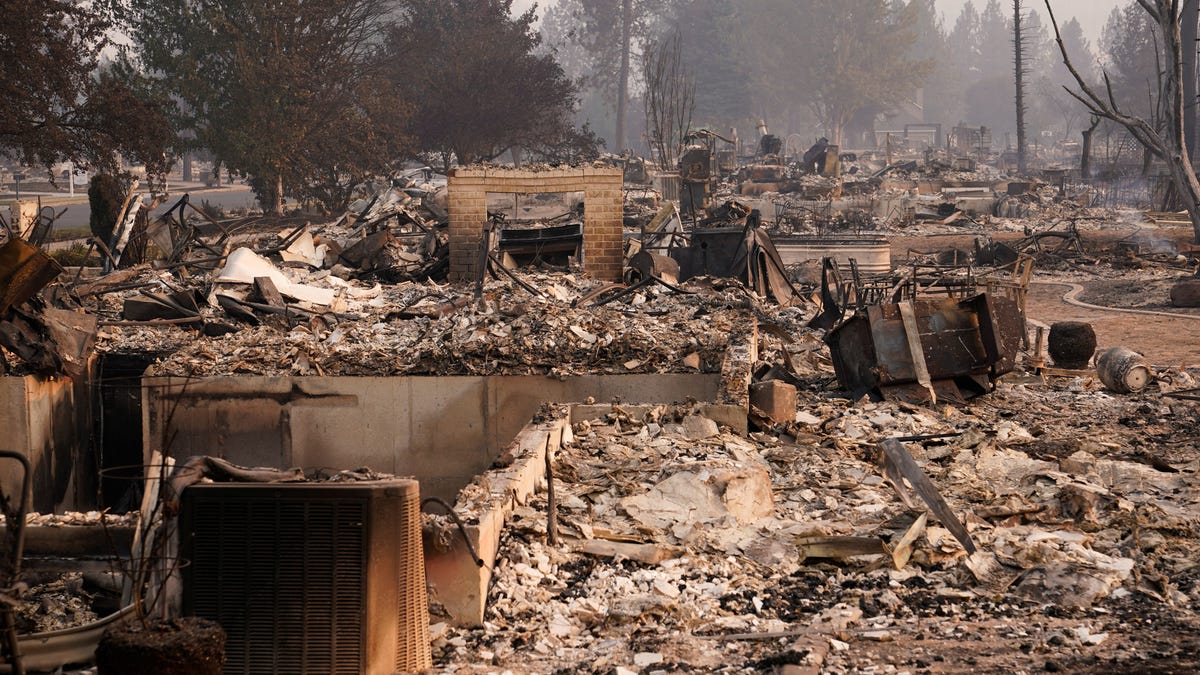
The convergence of extreme meteorological conditions, expanding wildland-urban interfaces (WUI), and structural infrastructure vulnerabilities has culminated in one of the most severe wildfire crises in recent regional history. As emergency response personnel and firefighting crews achieve incremental containment over active burn perimeters, the analytical focus must pivot from immediate tactical suppression to structural, long-term policy formulation. The displacement of over 65,000 individuals presents unprecedented logistical, economic, and institutional challenges. The trajectory of regional recovery over the coming decades will depend directly on decisions executed by local, state, and federal authorities within the immediate post-containment window.
1. Institutional Governance and Emergency Response Frameworks
The initial response phase during acute wildfire events reveals systemic strengths and institutional bottlenecks within emergency management frameworks. While inter-agency tactical coordination often succeeds in life-safety operations and immediate asset preservation, the transition from active suppression to humanitarian stabilization highlights significant gaps in administrative capacity.
Institutional governance during severe environmental disasters requires clear operational command chains, rapid fiscal deployment mechanisms, and synchronized intergovernmental communication. In this instance, regional municipal bodies must reconcile immediate emergency expenditures with long-term budgetary constraints. The effective deployment of public assets depends on establishing centralized recovery hubs that integrate federal disaster relief, state resources, and municipal execution capabilities without administrative friction.
2. Humanitarian Logistics and the Displaced Population Strategy
The sudden displacement of more than 65,000 residents introduces acute socio-economic stress across housing markets, municipal utilities, public health systems, and local labor networks. Managing a displacement demographic of this scale demands a tiered, data-driven humanitarian strategy divided into three distinct operational horizons:
- Immediate Relief Horizon (Days 1–30): Provision of secure temporary shelter, acute medical care, mental health intervention, and basic nutritional sustenance. Maintaining public safety and transparent communication channels during this phase prevents secondary social disruption.
- Transitional Housing Horizon (Months 1–12): Transitioning displaced populations from mass emergency shelters into intermediate housing, such as subsidized rental stock, modular housing units, and family reunification programs. This stage requires active intervention in regional rental markets to prevent predatory price escalation.
- Permanent Resettlement Horizon (Years 1–5): Rebuilding primary residential structures or facilitating planned, voluntary relocation strategies for households situated in unacceptably high-risk ignition zones.
Without coordinated public sector intervention, prolonged displacement accelerates capital flight, depresses local tax bases, and creates persistent public health vulnerabilities across affected communities.
3. Auditing Evacuation Architecture and Traffic Flow Dynamics
A critical post-incident requirement is the rigorous audit of existing evacuation infrastructure. The rapid velocity of recent wildfire fronts exposed severe throughput limitations within regional road networks, egress corridors, and early warning dissemination protocols.
Modern evacuation design must account for high-density vehicle convergence, bottleneck points at primary arterial exits, and visibility impairment caused by heavy smoke plumes. Moving forward, municipal transportation departments must integrate real-time spatial modeling and predictive traffic software into civil defense planning. Crucial structural upgrades include expanding secondary access roads, creating dedicated emergency egress lanes along high-vulnerability corridors, and installing hardened, off-grid communication relays to maintain public notification systems when electrical grids fail.
4. Urban Redesign, Zoning Reform, and WUI Mitigation
Rebuilding damaged communities using identical structural and spatial blueprints guarantees vulnerability to future wildfire events. Urban planning frameworks must undergo comprehensive revision to incorporate fire-resilient design principles directly into zoning codes and municipal development guidelines.
Key elements of fire-resilient urban design include:
- Defensible Space Enforcement: Mandating strict vegetative management zones around structural perimeters, creating non-combustible buffer zones that reduce radiant heat transmission.
- Hardened Structural Materials: Updating building codes to mandate fire-resistant roofing materials, dual-glazed tempered glass windows, enclosed eaves, and ignition-resistant exterior cladding across all new constructions and major renovations.
- Spatial Density Optimization: Reassessing urban density inside wildland-urban interface zones. High-density developments located along single-access hillside terrain represent unacceptable risk profiles during catastrophic fire weather.
- Integrated Infrastructure Buffer Zones: Utilizing public parks, greenways, and athletic fields as strategic fuel breaks situated between wildland corridors and residential neighborhoods.
5. Socio-Economic Stabilization and Financial Recovery Models
The economic impact of large-scale wildfires extends well beyond insured property losses. Disruptions to commercial activity, agricultural output, tourism revenue, and municipal tax collections present severe systemic risks to long-term regional economic viability.
Municipal authorities must rapidly construct financial support mechanisms to stabilize small-to-medium enterprises (SMEs) and protect vulnerable low-income wage earners. Securing federal disaster grants, issuing tax-exempt municipal recovery bonds, and implementing localized property tax deferrals represent necessary financial steps. Furthermore, state insurance commissions must actively manage insurance market stability to prevent major carriers from exiting high-risk zip codes, which would cause property valuations to collapse and eliminate access to residential mortgage capital.
6. Environmental Remediation and Watershed Protection
The ecological consequence of high-severity wildfires creates severe secondary risks, specifically post-fire debris flows, mudslides, and watershed contamination. Severe burn scars destroy vegetation, sterilize topsoil, and create hydrophobic soil layers that prevent rainfall absorption.
Local environmental protection agencies must immediately execute stabilizing land-treatment interventions prior to seasonal rain cycles. Deploying aerial hydroseeding, installing straw wattles along steep contours, and reinforcing municipal water treatment facilities against heavy sediment and ash runoff are mandatory mitigation steps. Protecting regional municipal drinking water reservoirs from contamination remains a high-priority public health objective.
7. Policy Recommendations and Strategic Outlook
The recovery process following a wildfire event of this magnitude is not merely a restorative effort; it is a structural transformation opportunity. Institutional leaders must resist political pressure for hasty, uncoordinated reconstruction that reproduces historical vulnerabilities. The path forward requires strict adherence to strategic planning principles:
- Establish an independent, multi-disciplinary Regional Recovery Commission empowered to oversee rebuilding funds and enforce updated building standards.
- Develop integrated land-use frameworks that align regional transportation networks with fire-mitigation spatial planning.
- Institutionalize continuous public education campaigns focusing on household preparedness, defensible space compliance, and mandatory evacuation protocols.
The policy decisions adopted by local, regional, and national institutions over the coming weeks will determine whether affected regions rebuild with enhanced resilience or remain structurally exposed to recurring climate-driven disasters.
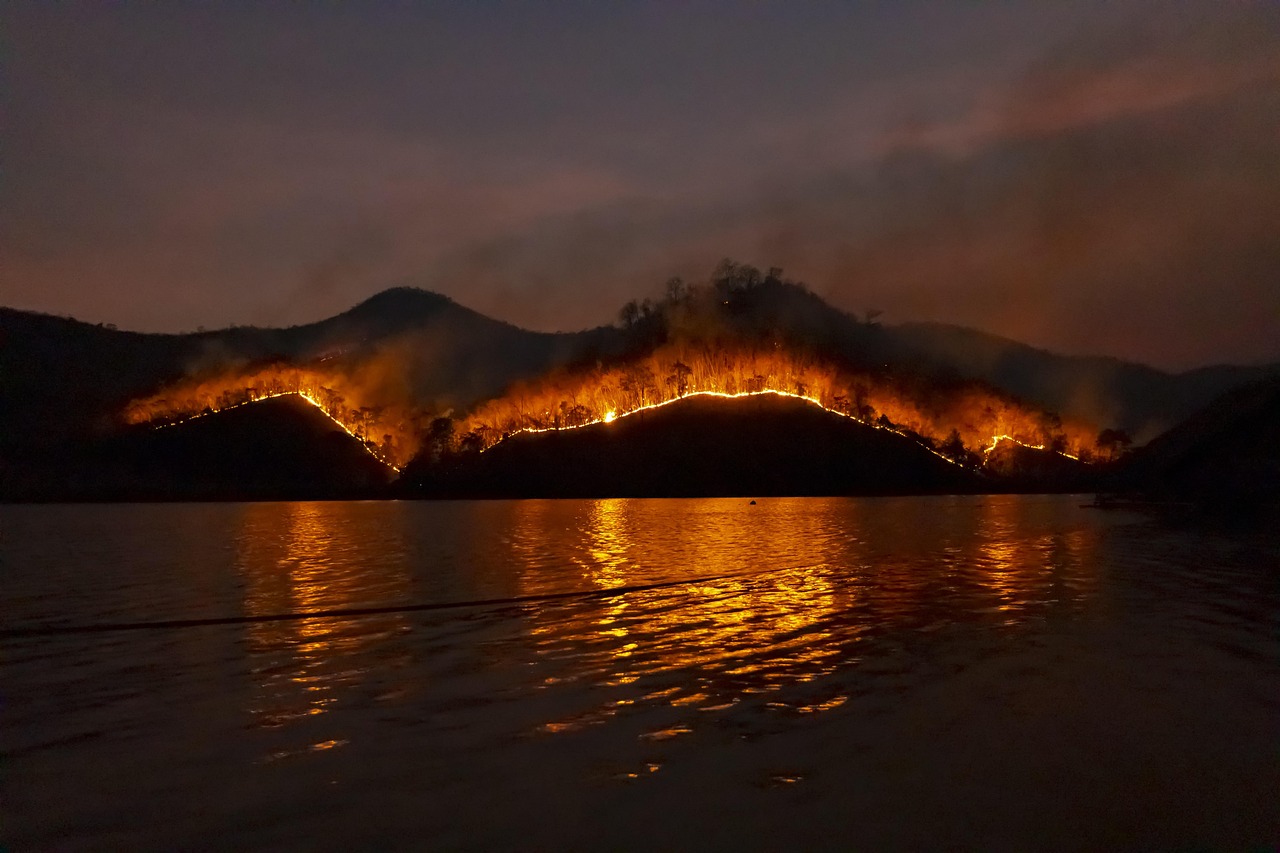
Photo by sippakorn on Pixabay.