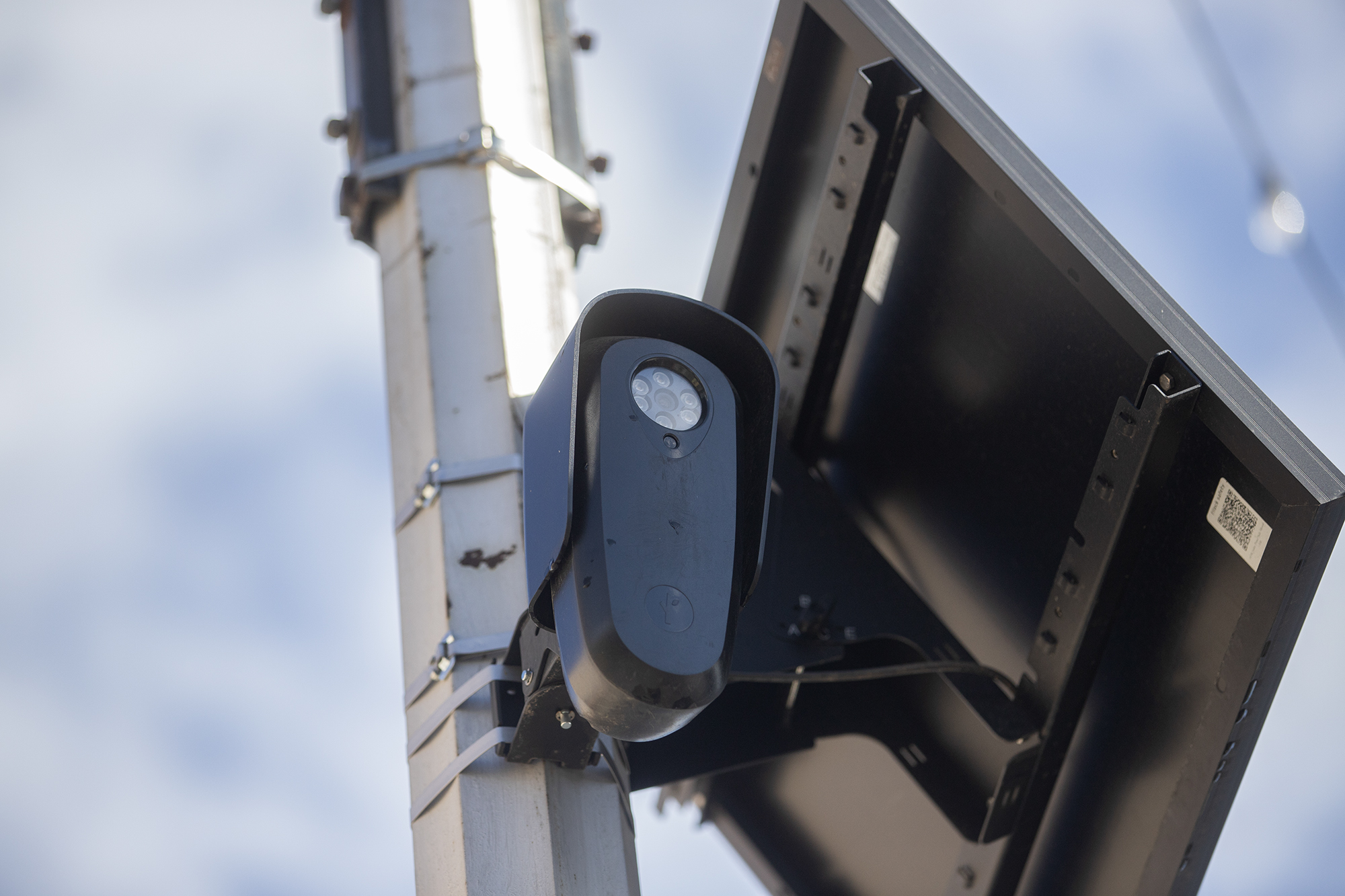
The Infrastructure of Automated License Plate Readers
Automated license plate readers (ALPRs) are embedded within the infrastructure of thousands of North American communities, deployed across roadways, intersections, and private properties. Manufactured primarily by Flock Safety, these devices capture visual data of passing vehicles and utilize machine learning algorithms to convert raw imagery into searchable intelligence parameters, such as vehicle color, make, model, and alphanumeric license plate data.
Law enforcement agencies utilize these networks to track vehicle movements, locate crime suspects, and cross-reference real-time captures against extensive criminal databases. By interconnecting tens of thousands of cameras nationwide, agencies leverage these systems as force multipliers in investigations involving stolen vehicles, amber alerts, and violent crimes.
Operational Friction and Public Backlash
Despite their investigative utility, the proliferation of ALPR systems has triggered public backlash centered on civil liberties, data privacy, and data-sharing agreements with federal agencies. Numerous municipalities have responded by pausing or canceling contracts with technology vendors during contentious city council sessions, highlighting a widening gap between municipal security goals and mass passive surveillance concerns.
This institutional friction is compounded by technological missteps and operational errors. High-profile incidents involving erroneous vehicle flags—such as mistaken identity stops of luxury vehicles—demonstrate the operational risks of automated surveillance. Furthermore, documented instances of law enforcement personnel misusing the technology for unauthorized personal tracking have resulted in internal investigations and arrests, intensifying public distrust.
Vandalism, Direct Action, and Corporate Response
Community polarization surrounding ALPR networks has manifested in direct physical attacks against hardware, including instances where individuals have damaged, shot, or obscured camera units. In several jurisdictions, suspects face criminal charges for dismantling equipment, reflecting deep-seated local antagonism. Corporate leadership has responded to these disruptions with strong public positioning, characterizing equipment destruction as severe criminal acts that fuel broader policy debates.
Public discourse has been amplified by media platforms featuring exchanges between corporate executives and affected citizens. These dialogues emphasize the friction between corporate expansion strategies for public safety networks and a populace resistant to continuous state-adjacent monitoring.
Legislative Scrutiny and Regulatory Frameworks
Legislative bodies face increasing pressure to establish statutory boundaries for ALPR deployment and data retention. In states like California, where hundreds of law enforcement departments operate these cameras, lawmakers have pursued legislative restrictions since 2019 to govern police access and data retention timelines, illustrating the challenge of balancing investigative efficiency with Fourth Amendment protections.
This legislative debate unites diverse political coalitions, with privacy advocates from across the political spectrum expressing skepticism regarding mass data collection. As new bills seek to restrict how law enforcement handles plate reader data, the regulatory landscape faces structural uncertainty, signaling that the future of public safety technology will likely be shaped by statutory limitations.
Strategic Implications for the Public Safety Sector
The intersection of artificial intelligence, machine learning, and municipal policing creates complex strategic challenges for technology vendors and law enforcement agencies. While proponents emphasize the role of plate readers in capturing violent criminals, critics warn of a trajectory toward ubiquitous tracking without robust judicial oversight. This divergence forces institutions to evaluate the reputational and financial costs of deploying surveillance infrastructure that generates severe community pushback.
Ultimately, the ongoing controversy surrounding ALPR systems serves as a critical test case for algorithmic tools in civic spaces. As litigation, municipal contract cancellations, and legislative proposals accumulate, the industry faces a pivotal juncture regarding transparency, data governance, and public accountability.