Corporate Reorientation and Capital Allocation
The August 4 release of Beast of Reincarnation marks a definitive shift in Game Freak’s corporate trajectory. For decades, the studio’s capital allocation was tethered to a singular creature-capturing formula. This new IP represents a calculated effort to mitigate single-franchise dependency by entering the high-fidelity action RPG (ARPG) market. Moving from stylized, turn-based systems to the frame-precise requirements of real-time combat necessitates a fundamental overhaul of internal development pipelines and technical standards.
Mechanical Rigor and Competitive Market Positioning
Set in a post-apocalyptic Japan in 4026, the title challenges established genre benchmarks. While Director Kota Furushima has avoided the ‘Souls-like’ label, the inclusion of frequent boss encounters, campsite-based progression, and a parry-heavy combat system places it in direct competition with FromSoftware’s ecosystem. This mechanical shift targets a demographic that prioritizes skill-based mastery over the collectivist loops of legacy franchises. The decision to develop exclusively for the PlayStation 5 further underscores a commitment to processing power, moving away from the technical conservatism that previously defined the studio’s output.
Environmental Narrative as a Strategic Anchor
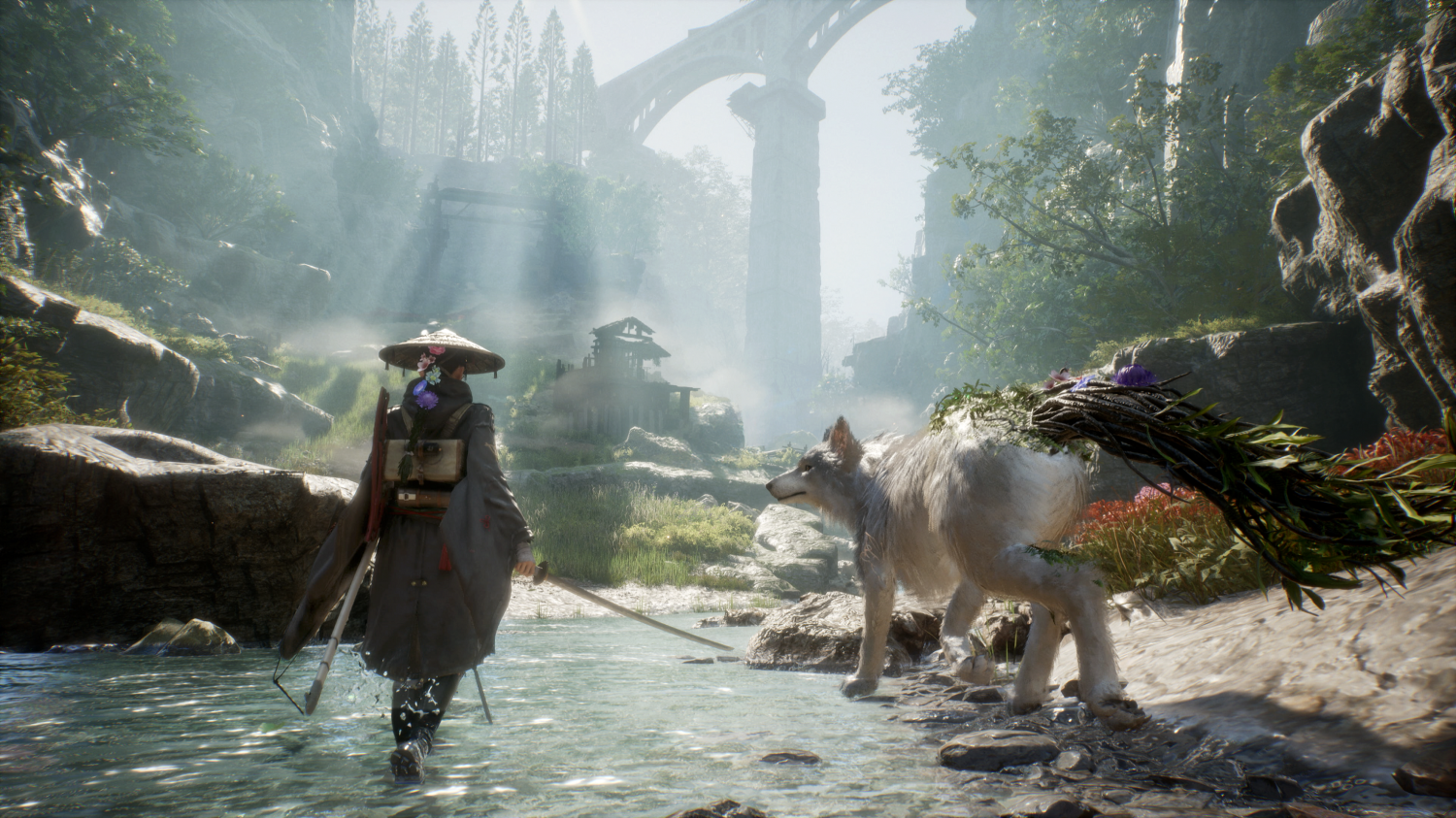
The ‘Blight’—a cataclysm corrupting the ecological and mechanical landscape—serves as both a narrative engine and a mechanical constraint. By utilizing the ‘one woman and her dog’ trope (Emma and her mutated canine companion), Game Freak provides a necessary emotional tether in an otherwise alienating world. This is deepened by the ‘Last Words’ mechanic: collecting final data logs from dying robots. This design choice creates a sense of irreversible finality, reinforcing the game’s themes of decay and survival while maintaining high player engagement through environmental storytelling rather than traditional exposition.
Institutional Risks and Long-Term Viability
For stakeholders, Beast of Reincarnation is a litmus test for Game Freak’s versatility. The introduction of the ‘Nushi’—colossal mutated entities—requires sophisticated AI and collision detection far beyond the studio’s historical catalog. However, early reports of ‘monotonous’ pacing suggest a risk; the game’s taxing nature may alienate players accustomed to accessibility. Success here would grant Game Freak significant leverage in future negotiations with platform holders, potentially leading to greater creative autonomy and a recalibration of their relationship with established flagship brands.
Conclusion: The Maturity of Design Philosophy
Ultimately, Beast of Reincarnation signifies the maturation of Game Freak’s design philosophy. By embracing atmospheric dread and mechanical difficulty, the studio is signaling its intent to be viewed as a multi-faceted developer. Whether this pivot results in a new flagship franchise or remains a singular experiment, it has already succeeded in resetting the industry’s expectations for Game Freak’s technical and narrative ambition in the late 2020s.