Widow’s Bay: Apple TV+s Strategic Ascent via Prestige Horror-Comedy
The exceptional performance of Widow’s Bay, marked by 19 Emmy nominations and a top streaming ranking, signals a deliberate strategic pivot for Apple TV+. This success validates the platform’s high-margin, low-volume content strategy against industry-wide saturation. The series’ April debut was pivotal, transforming Apple TV+ from a niche sci-fi provider into a formidable competitor in the prestige, genre-bending space. This critical acclaim and viewership leverage are crucial for subscriber retention and reducing churn, demonstrating Apple’s investment in high-pedigree talent and complex narratives that challenge conventional viewer expectations.
The Loftis-Wyck Dynamic: Institutional Skepticism vs. Historical Memory
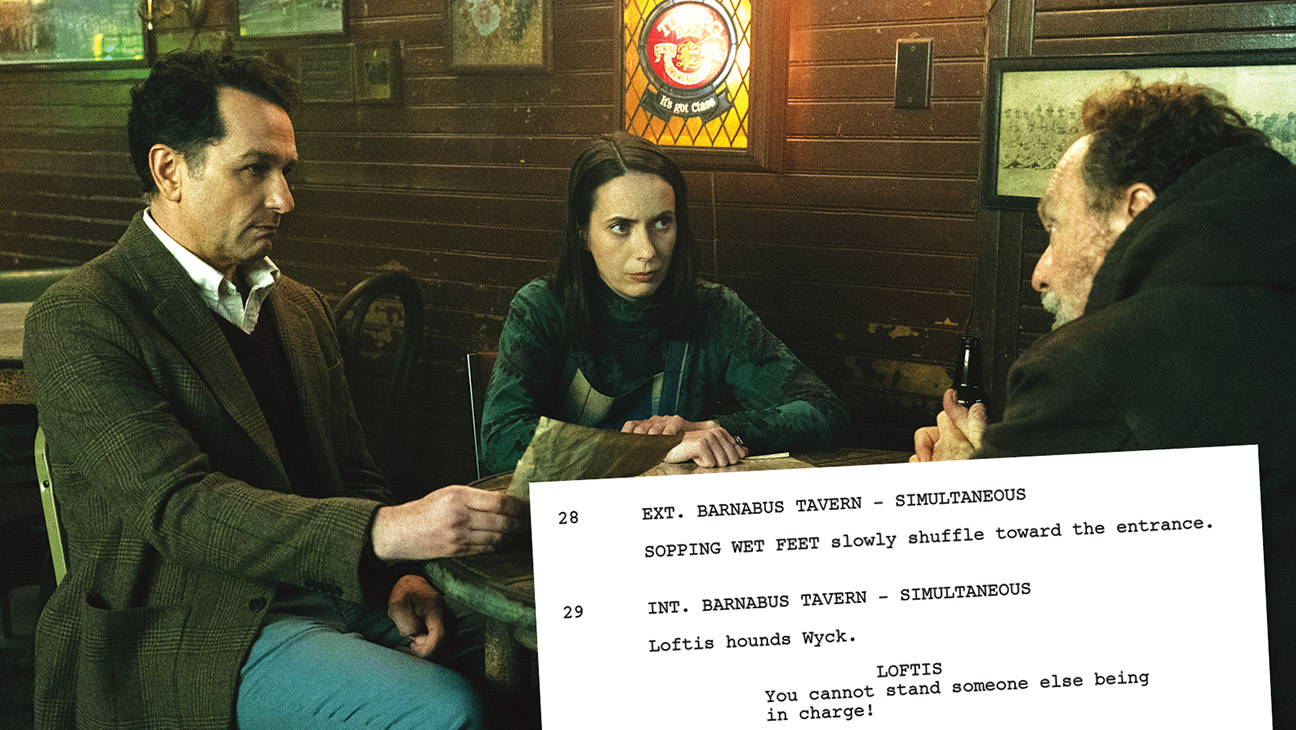
At the narrative core, the conflict between Mayor Tom Loftis (Matthew Rhys) and local resident Wyck (Stephen Root) mirrors the tension between institutional governance and embodied historical knowledge. Loftis embodies a data-driven skepticism, viewing the town’s supernatural history through a lens of operational efficiency. Conversely, Wyck represents Widow’s Bay’s historical memory, presenting a narrative Loftis initially dismisses. Creator Katie Dippold highlights how this friction exposes leadership arrogance when confronting systemic risks that defy bureaucratic frameworks. This early establishment of conflict underscores leadership failure dynamics, with Loftis’s impatience mirroring institutional vulnerabilities that prioritize immediate optics over long-term, unconventional threats.
Utilitarianism as a Catalyst for Narrative and Moral Conflict
Widow’s Bay’s thematic exploration of utilitarianism—the justification of individual sacrifices for a perceived greater good—is central, explicitly referencing the trolley problem in its season finale. Mayor Loftis’s grim realization that his assistant Ruth’s death might lift the town’s hex places him in a profound moral quandary. This narrative choice compels audiences to confront the ethical calculus of political leadership, where individual lives are weighed against collective survival. The series posits that the true horror lies not in supernatural entities but in the willingness of those in power to commit acts of perceived necessity, critiquing utilitarianism’s moral hazards and resonating with contemporary unease over institutional decisions made in the name of security.
Market Positioning: The Strategic Value of Prestige Horror-Comedy
Apple TV+ has effectively leveraged Widow’s Bay to secure a distinct market position by capitalizing on the horror genre’s inherent audience engagement. The prestige horror-comedy hybrid attracts a discerning audience drawn to thematic depth and character development, rather than solely visceral scares. The series’ perfect Rotten Tomatoes score at debut acted as a critical multiplier, driving organic growth and establishing it as an essential watch. This critical consensus is vital for Apple TV+, which relies on a reputation for quality to compete with rivals’ vast content libraries. Showrunner Katie Dippold’s skill in balancing disparate tones and validating multiple perspectives creates narrative complexity that encourages deep audience analysis and repeat viewing.
Production Excellence: Anchoring the Supernatural with Gravitas
The production of Widow’s Bay showcases Apple’s commitment to high production values, essential for its immersive supernatural atmosphere. The New England setting functions as a character, shaped by the established historical and supernatural constraints. The casting of Matthew Rhys and Stephen Root provides crucial gravitas, anchoring the fantastical plot elements. Their performances enable the series to navigate transitions between comedy and horror without sacrificing emotional or intellectual stakes—a balance critical to its success. The deliberate pacing of its 10-episode structure builds tension towards the finale’s ethical climax, mirroring the characters’ descent into the town’s moral quagmire.
Political Accountability: The Trolley Problem as a Framework for Governance
The season finale’s dialogue on the trolley problem serves as a critical inflection point for the series’ political commentary, framing the supernatural crisis as an ethical puzzle that highlights the dehumanizing nature of high-stakes governance. Loftis’s final interaction with Ruth underscores the personal cost of his utilitarian turn, illustrating power’s corrupting influence when detached from empathy. The consequences extend institutionally, as leadership becomes complicit in the horrors it seeks to eradicate, suggesting the curse is as much a product of human choice as supernatural origin.
Competitive Implications: Redefining Streaming Success Metrics
Widow’s Bay’s dominance in streaming rankings indicates a shift toward content offering both entertainment and intellectual provocation. For competitors, its success highlights how high-quality, genre-bending series can disrupt established market shares. Apple’s strategy of focusing on limited, high-impact projects yields significant returns, contrasting with volume-heavy approaches that often dilute quality. The long-term impact on the Apple TV+ brand will hinge on attracting top creative talent, with Widow’s Bay proving the platform is a viable home for ambitious, unconventional storytelling that achieves critical and commercial success.
Future Franchise Potential: Stakes and Stakeholder Exposure
As Widow’s Bay progresses, the pressure mounts for Apple and its creators to sustain critical momentum, with the 19 Emmy nominations setting a high bar for future installments. Continued narrative innovation and thematic depth are imperative. For its cast, particularly Matthew Rhys and Stephen Root, the series offers a platform for nuanced portrayals crucial for maintaining internal logic and audience connection. Ultimately, Widow’s Bay’s success underscores the power of intellectually rigorous genre content, cementing its status as a significant cultural and strategic asset for Apple TV+ by exploring utilitarianism through a unique horror-comedy lens.
Conclusion: The Institutional Legacy of Widow’s Bay
Widow’s Bay fundamentally examines how institutions and individuals confront existential threats when conventional tools fail. Its exploration of the trolley problem and Mayor Loftis’s moral failures offers a sober examination of leadership trade-offs. Strategically, the show reinforces Apple TV+’s role as a curator of prestige content that challenges the streaming industry’s status quo. The 19 Emmy nominations and #1 ranking reflect a successful alignment between creative vision and corporate strategy. As the series evolves, its impact on the media landscape will be measured by how other platforms approach genre-bending and thematic complexity, proving a significant market exists for stories that refuse easy answers and solidifying its landmark status.