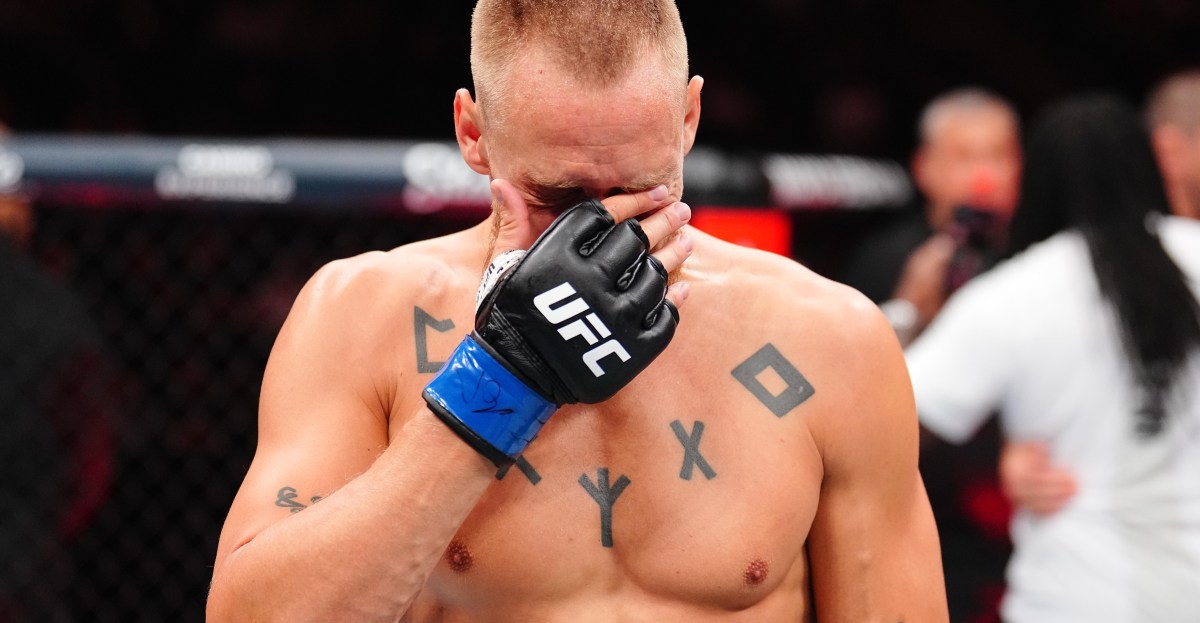
Strategic Significance of UFC’s Territorial Expansion
The staging of the Ultimate Fighting Championship event inside the Belgrade Arena in Serbia represents a calculated push into emerging European markets. For Duško Todorović, competing on the main card of an inaugural home-country event transforms a standard career trajectory into a localized milestone of significant promotional value.
Regional events function as critical leverage points for both the organization and domestic fighters, driving engagement and validating international talent pipelines. Within this operational framework, the matchup against Robert Valentin carries profound career implications as both competitors navigate distinct performance pressures.
Duško Todorović: Injury Recovery and Home-Soil Momentum
Duško Todorović enters his 11th promotional appearance carrying the accumulated weight of a decade-long climb through regional circuits. His path to this fixture was complicated by a recurring knee injury that forced a withdrawal from a previously scheduled March bout, necessitating a cautious recovery protocol before final clearance.
Having completed a rigorous training camp and secured a 100 percent recovery phase, Todorović is positioned to capitalize on the historical context of the Belgrade card. Following a first-round submission victory over José Daniel Medina, a successful performance on home soil reinforces his competitive standing within the middleweight division.
Robert Valentin: Rebuilding Momentum After a Volatile Debut Cycle
Robert Valentin approaches this encounter after enduring a turbulent introduction to the organization following his run on season 32 of The Ultimate Fighting Championship’s reality television feeder system. His early Octagon tenure exposed him to high-level volatility, marked by a finale loss, a protracted defensive wrestling deficit against Torrez Finney, and a rapid knockout defeat against Ateba Gautier.
Accumulating an initial record of zero wins against three losses within a single calendar year placed Valentin under severe roster retention pressure. However, a subsequent recovery sequence—culminating in a first-round rear-naked choke submission over Julien Leblanc—demonstrated his capacity to course-correct amidst professional strain.
Operational Dynamics and Division Positioning
The clash between Todorović and Valentin encapsulates the high-attrition reality of the middleweight division. Market analysts observing the DraftKings odds—positioning Valentin at -162 and Todorović at +136—recognize the analytical challenge posed by contrasting recent trajectories and recovery timelines. Furthermore, the over/under line set at 1.5 rounds, with the under favored at -130, reflects expectations of an aggressive engagement style rather than a protracted decision.
For Valentin, labeled with a reputation for high-risk outcomes, this bout serves as a crucial test of resilience following a challenging adjustment period. Conversely, Todorović leverages the psychological advantage of competing before a supportive domestic crowd to convert local enthusiasm into strategic performance leverage.
Institutional Context and Roster Accountability
The organizational decision to feature this middleweight contest on the main card underscores the balance matchmakers perform between international talent development and regional market appeal. Fighters operating under the threat of roster consolidation must consistently deliver competitive urgency, a dynamic acutely felt by Valentin. This institutional pressure translates into heightened strategic risk-taking inside the Octagon, directly influencing fight duration and tactical approaches.
As both athletes prepare to step into the Belgrade Arena, the broader ecosystem observes how regional showcases impact athlete morale and career trajectories. Ultimately, the outcome will dictate divisional momentum for the victor while defining the limits of adaptation for the competitor facing defeat.