
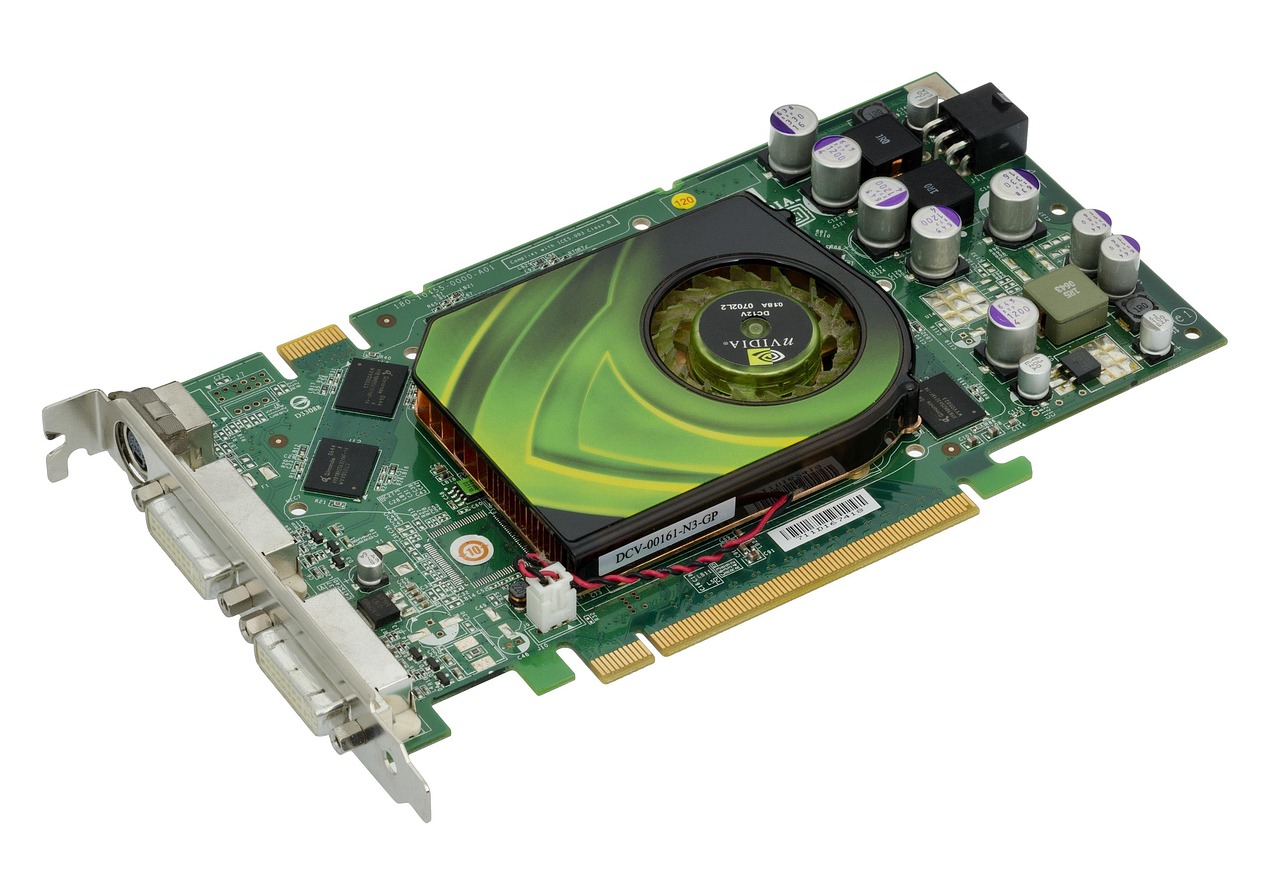
Strategic Decoupling: The Erosion of Semiconductor Dominance
Global equity markets are undergoing a fundamental structural shift as the semiconductor-led rally faces institutional skepticism. While the Nasdaq Composite grapples with volatility, the Dow Jones Industrial Average and S&P 500 have begun a strategic decoupling from the AI infrastructure trade. This divergence signals that institutional capital is rotating away from speculative premiums toward companies with proven earnings stability and diversified revenue streams.
The Circular Financing Paradox: Nvidia’s $250 Billion Variable
Central to current market anxiety is Nvidia’s reported $250 billion funding backstop for OpenAI. This financial entanglement blurs the line between vendor and customer, introducing a ‘circular financing’ narrative. If a hardware provider acts as a primary financier for its largest consumer, it creates a closed-loop economic model that complicates independent verification of organic demand. This systemic risk suggests that current AI valuations may be inflated by internal capital flows rather than external market adoption.
SK Hynix and HBM: The Hardware Bottleneck
SK Hynix’s quarterly performance now serves as a macroeconomic bellwether for the AI hardware stack. As the dominant provider of High Bandwidth Memory (HBM), any sign of margin compression or inventory accumulation at SK Hynix signals a cooling in the broader AI infrastructure cycle. Unlike Nvidia’s proprietary hardware, memory pricing offers a transparent view of the industry’s actual deployment rate, making it a critical metric for assessing the sustainability of the AI capex cycle.
The Micron Case Study and Capital Reallocation
The recent liquidation of Micron Technology shares exemplifies the institutional pivot away from capital-intensive semiconductor growth. Investors are increasingly wary of the cyclicality inherent in the memory sector, regardless of AI’s secular tailwinds. This rotation reflects a return to disciplined capital allocation, where the ‘AI at any cost’ thesis is being replaced by a preference for assets with lower beta exposure and more predictable cash flows.
Defensive Resilience: The Flight to Quality
The resurgence of Coca-Cola, marking its strongest performance since 2009, alongside gains in Boeing and PayPal, underscores the renewed appeal of defensive growth. When high-beta tech stocks undergo a correction, capital naturally flows to entities with global pricing power and non-cyclical demand. This movement reinforces the value of operational resilience over thematic hype in a tightening economic environment.
Geopolitical Headwinds: Narrowing the Compute Moat
A significant long-term risk for U.S. chipmakers is the evidence that Chinese competitors are rapidly narrowing the technological gap in AI. This development threatens the near-monopoly status of Western semiconductor firms and could lead to significant margin compression. As the ‘compute moat’ erodes, the premium valuations assigned to the U.S. tech sector become increasingly difficult to sustain against a fragmented global market.
Macroeconomic Buffers: The Impact of Falling Oil
The decline in global oil prices has provided a crucial cushion for industrial and consumer sectors. Lower energy costs act as a de facto stimulus, improving operational margins for companies within the Dow and S&P 500. This inverse correlation between energy costs and industrial performance has been a primary driver of market resilience, offsetting the bearish sentiment generated by tech-sector volatility.
Conclusion: Transitioning to the Application Phase
The current market rebalancing marks the end of the ‘picks and shovels’ era of indiscriminate AI investment. Institutional investors are now prioritizing companies that can demonstrate actual productivity gains from AI integration. As the market digests the implications of circular financing and narrowing technological moats, the premium on fundamental operational excellence and diversified business models will continue to grow.
Cover photo by WikimediaImages on Pixabay.