Clinical Impact of Subpotency in Narrow Therapeutic Index (NTI) Drugs
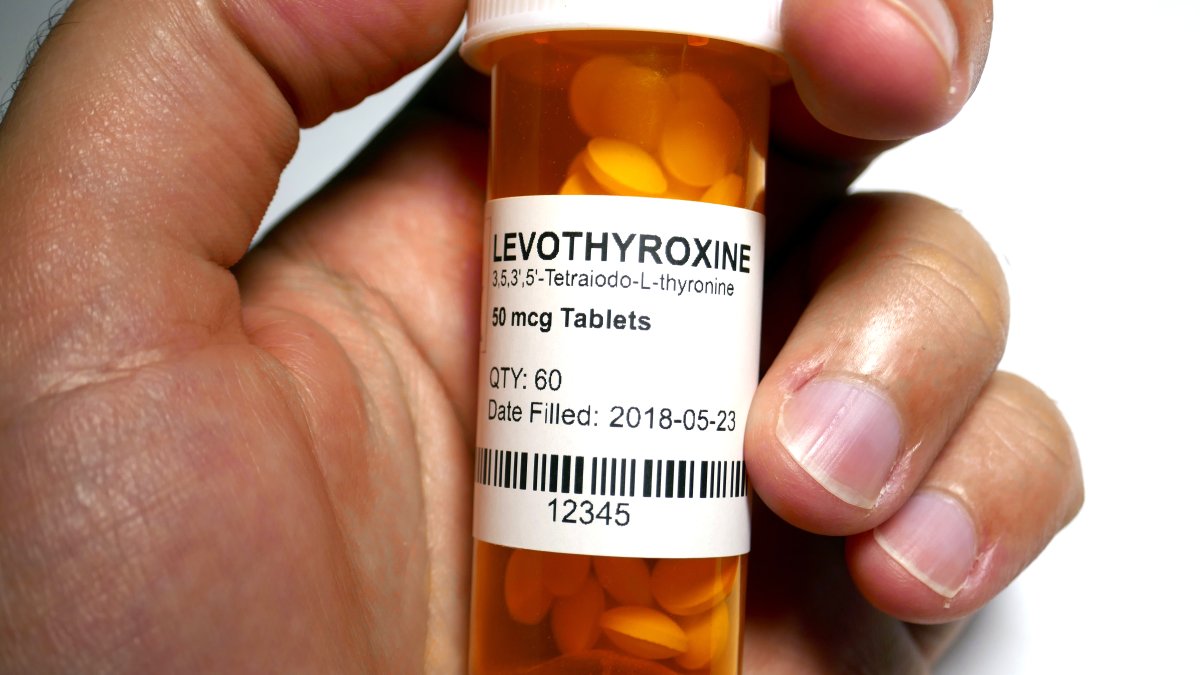
The FDA’s July 13 classification of a nationwide recall involving levothyroxine sodium tablets, distributed by Major Pharmaceuticals and Cardinal Health, underscores a significant quality control failure. Levothyroxine is a Narrow Therapeutic Index (NTI) medication, meaning even marginal deviations in active pharmaceutical ingredient (API) concentration can lead to therapeutic failure. Subpotency in these synthetic hormones compromises the management of hypothyroidism and thyroid carcinoma, potentially leading to symptomatic recurrence or metabolic instability.
Regulatory Analysis of the Class II Designation
The agency categorized this action as a Class II recall, a designation reserved for products that may cause temporary or medically reversible adverse health consequences. While the probability of life-threatening injury is considered remote, the systematic under-dosing of patients since the distribution began in January 2025 presents a significant clinical hurdle. This classification requires the removal of 12 distinct dosage and packaging configurations from the retail level, ranging from individual 10-count packs to wholesale blister boxes.
Supply Chain Vulnerabilities and Post-Market Surveillance
The recall involves products distributed over a six-month window, highlighting potential gaps in real-time stability monitoring. Major Pharmaceuticals and Cardinal Health, acting as pivotal nodes in the generic drug supply chain, must now execute complex reverse-logistics to retrieve affected lots. This incident suggests that the API may have suffered from premature degradation or that the initial manufacturing run failed to meet the rigorous microgram-level accuracy required for endocrine therapies.
Guidelines for Patients and Healthcare Providers
Patients utilizing the affected medication are advised to return the product to their point of purchase. For high-risk individuals—particularly those undergoing TSH suppression therapy for thyroid cancer—subpotency may necessitate diagnostic re-testing to ensure serum thyroxine levels remain within the target range. Healthcare providers are tasked with identifying patients who may have experienced unexplained elevations in Thyroid-Stimulating Hormone (TSH) during the first half of 2025 due to these non-compliant batches.