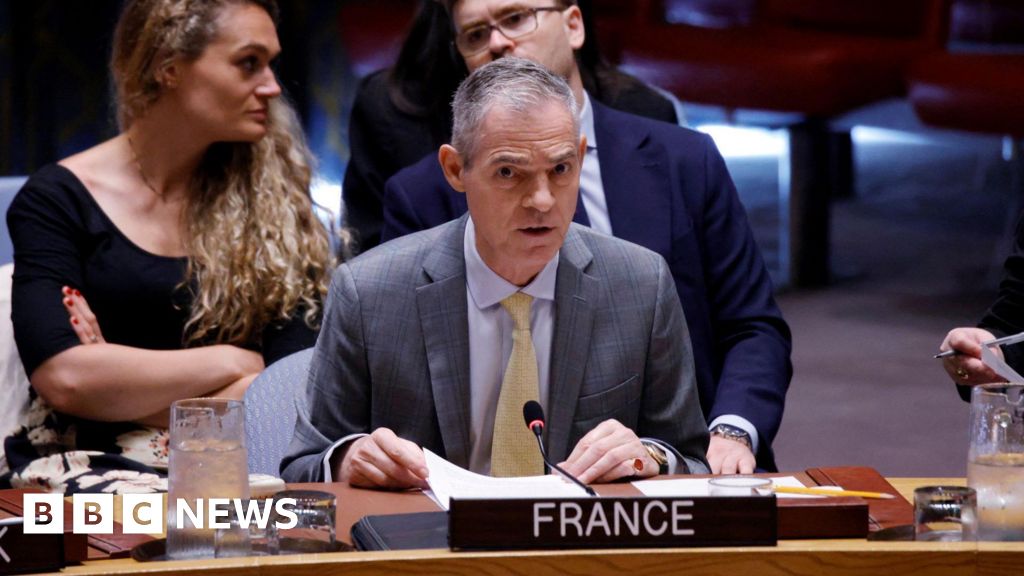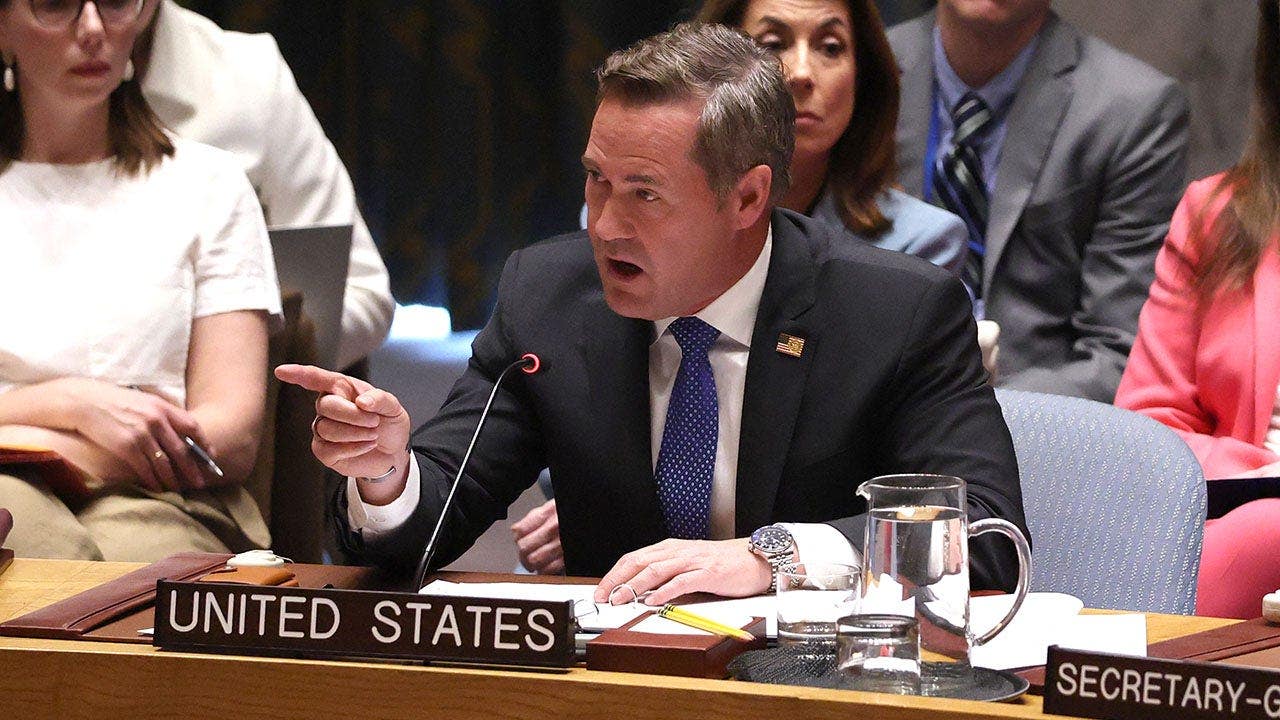
The United States delegation’s recent walkout from the UN Security Council during French Ambassador Jerome Bonnafont’s address marks a transition from periodic friction to a structural realignment of the transatlantic relationship. This departure from diplomatic protocol is not merely a symbolic protest but a calculated rejection of the prevailing multilateral consensus on human rights and international oversight.
The catalyst for this escalation was the reappointment of Volker Türk as UN High Commissioner for Human Rights. By aligning with a voting bloc traditionally opposed to Western institutional norms—including Russia and North Korea—the U.S. has signaled a pivot toward ‘sovereignty-focused’ diplomacy. This strategy prioritizes the protection of domestic policy from international scrutiny over the maintenance of traditional Western European alliances.
Institutional Legitimacy and the OHCHR Dispute
At the core of the dispute is a fundamental disagreement over the mandate of the Office of the High Commissioner for Human Rights (OHCHR). U.S. Ambassador Mike Waltz has characterized the office’s criticisms of democratic states as an overreach that effectively ‘lectures’ sovereign nations while failing to hold authoritarian regimes accountable. This critique targets the perceived politicization of the OHCHR, which the U.S. views as a tool for institutional activism rather than neutral arbitration.
Conversely, France and its European partners view Türk’s independence as essential to the integrity of the international legal order. France’s public framing of the U.S. as a nation ‘isolated’—underscored by the French mission’s use of the #AmericaAlone hashtag—is a normative signaling effort. It seeks to impose a political cost on American unilateralism by characterizing it as a abdication of global moral leadership.
Strategic Paralysis in the Security Council
The operational consequences of this rift are profound. The walkout occurred during an emergency session on Ukraine, a theater where Western cohesion has historically served as a critical deterrent. By introducing bilateral volatility into a high-stakes security forum, the U.S. and France risk projecting a sense of Western disarray that adversaries may exploit to undermine collective security efforts.
Ambassador Dan Negrea’s ultimatum—that protests will continue until France renounces its rhetorical attacks—suggests a period of sustained institutional paralysis. This ‘diplomacy by veto’ transforms personnel disputes into systemic blockades, hindering the Security Council’s ability to manage concurrent crises. Furthermore, the use of social media platforms like X for high-stakes negotiation reflects a shift toward public-facing diplomacy, where narrative control and domestic optics often outweigh traditional back-channel resolution.
Geopolitical Drift and European Autonomy
This diplomatic eruption is anchored in a broader context of strategic divergence. Disagreements over NATO funding, U.S. troop presence in Europe, and unilateral actions in the Middle East have eroded the underlying trust of the alliance. President Emmanuel Macron has leveraged these tensions to accelerate the push for ‘European strategic autonomy,’ positioning France as the primary architect of a more independent European security and diplomatic framework.
For global stakeholders, including NGOs and international markets, the fracture introduces significant risk. The erosion of the U.S.-France axis threatens the funding and efficacy of UN mandates, potentially leading to a fragmented international order. As both nations move toward more polarized interpretations of global governance, the Security Council’s role as a guarantor of international stability faces its most significant challenge since the Cold War.