
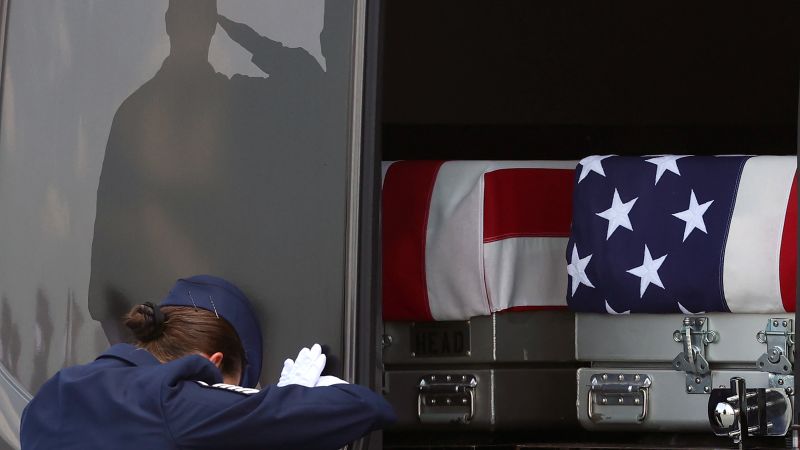
The Pentagon has revised its Defense Casualty Analysis System (DCAS) for the ongoing conflict with Iran, incorporating updated casualty figures. These adjustments include the addition of over 140 wounded personnel and the reclassification of four service members previously listed as killed in Iranian strikes.
Shifting Casualty Metrics and New Categories
A significant change involves the introduction of a new tracking category, “Overseas Operations,” designated for personnel casualties occurring since July 7. This new classification now accounts for the four American service members killed in recent Iranian attacks, a departure from previous reporting protocols that has drawn considerable attention.
When integrated with updated figures from “Operation Epic Fury,” the total reported casualty count since the conflict’s commencement on February 28 now stands at 18 deaths and 624 wounded. This represents a substantial increase in reported wounded personnel from the previous figure of 482, indicating heightened conflict intensity.
Legislative Scrutiny and Data Integrity Concerns
The Pentagon faced criticism last week when initial casualty figures within the DCAS system appeared to decrease, despite ongoing Iranian attacks. This discrepancy prompted a letter from twelve Democratic members of the Senate Armed Services Committee to Defense Secretary Pete Hegseth, demanding an explanation for the fluctuating numbers.
Joel Valdez, acting press secretary for the Department of Defense, attributed prior decreases to “temporary data disruptions.” However, the subsequent creation of the “Overseas Operations” category, which lists the four deceased service members by name alongside 207 wounded personnel, has intensified questions regarding the accuracy and transparency of the military’s casualty accounting procedures.
Strategic and Public Relations Implications of Reclassification
The decision to reclassify the four service members killed in recent Iranian strikes into a separate “Overseas Operations” category, rather than including them in the primary Iran war death toll, carries significant strategic and public relations implications. This reclassification risks creating a perception of downplaying the direct human cost of the conflict, irrespective of its intent to refine data accuracy or reflect specific operational contexts.
For military families, this shift can be particularly distressing, raising concerns about the official recognition and memorialization of their loved ones’ sacrifices. The lack of immediate clarity surrounding the rationale for this categorization change can foster distrust and amplify anxieties about governmental communication regarding the war’s impact on personnel.
Impact on Public Perception and Political Discourse
The administration’s escalation of strikes against Iran, reportedly aimed at reopening the Strait of Hormuz, faces considerable public skepticism regarding the conflict’s objectives and exit strategy. The evolving casualty numbers, particularly the reclassification of fatalities, can fuel this skepticism and provide grounds for political opposition advocating de-escalation or withdrawal.
Media coverage highlighting these data anomalies amplifies public scrutiny, potentially shaping narratives around the war’s effectiveness and the administration’s conduct of military operations. The Pentagon’s challenge lies in providing transparent and consistent reporting to reassure the public and military families about the accurate accounting of service members’ sacrifices.
Operational and Financial Ramifications
The sustained conflict with Iran necessitates continuous allocation of significant financial and operational resources. While a data management issue, the reclassification of casualties indirectly impacts the broader financial calculus of the war effort.
An increased number of wounded personnel, such as the 624 reported, directly translates into higher long-term healthcare costs, rehabilitation services, and disability benefits. This sustained financial burden requires careful budgetary planning and can influence future resource allocation, potentially diverting funds from other critical defense initiatives or domestic programs.
Supply Chain and Logistical Strain
The operational tempo suggested by the casualty figures implies a sustained and potentially intensifying engagement. This level of activity strains military supply chains and logistical networks, requiring a constant flow of equipment, ammunition, medical supplies, and personnel to the operational theater.
Disruptions or inefficiencies in these supply lines, exacerbated by geopolitical tensions or regional instability, can have cascading effects on military readiness and operational effectiveness. Maintaining robust logistical support is critical to the Pentagon’s long-term strategic posture in the conflict.
Geopolitical Positioning and Competitive Landscape
The ongoing military engagement with Iran fundamentally alters the geopolitical landscape and the United States’ strategic positioning in the Middle East. The conflict’s duration and intensity impact relationships with regional allies and adversaries.
A protracted and costly conflict can erode international confidence in U.S. military capabilities and strategic decision-making, creating opportunities for rival powers to increase their influence or challenge U.S. interests elsewhere, necessitating constant recalibration of global strategic priorities.
Impact on Defense Industry and Investment
The sustained demand for military hardware, munitions, and logistical support generated by the conflict directly impacts the defense industry, promising continued revenue streams and potentially increased orders for critical weapon systems and services.
However, uncertainty surrounding the conflict’s duration and objectives can also introduce volatility into defense sector investments. Investors and industry leaders closely monitor Pentagon directives and geopolitical shifts to assess long-term market trends and capital allocation strategies.
Institutional Trust and Media Accountability
The Pentagon’s handling of casualty data has placed it under intense scrutiny from media and legislative bodies, underscoring transparency’s critical role in maintaining institutional trust. Fluctuating or unexplained reclassified casualty figures can erode public confidence in military reporting mechanisms.
Media organizations, by highlighting discrepancies and demanding accountability, serve a vital function in holding government institutions responsible. Their investigative efforts have compelled the Pentagon to address data management practices, demonstrating the symbiotic relationship between a free press and informed public discourse on national security.
The Evolving Nature of Information Warfare
In an era of constant information flow, the presentation and interpretation of military data are critical components of strategic communication. The Pentagon’s casualty tracking adjustments, framed as technical updates, can be perceived as attempts to manage public perception of the conflict’s severity.
This dynamic highlights the growing importance of information warfare, where the narrative surrounding military operations can be as impactful as the operations themselves. The Pentagon must balance operational security and data integrity with the imperative of maintaining public trust through clear, consistent, and accessible communication about the human cost of conflict.
Long-Term Consequences for Military Readiness and Morale
The cumulative impact of sustained combat operations, coupled with any perceived lack of transparency in casualty reporting, can profoundly affect military readiness and morale. Service members and their families depend on accurate and consistent information regarding the risks and sacrifices associated with military service.
Systemic issues in data collection or reporting, even if unintentional, can contribute to unease or distrust within the ranks. Maintaining high morale and ensuring continued recruitment and retention efforts require a steadfast commitment to open and honest communication about the realities of military service and its consequences.
The Role of Data Systems in Strategic Decision-Making
The Defense Casualty Analysis System (DCAS), as the definitive source for casualty figures, is crucial for informing strategic decision-making, resource allocation, and public policy related to military engagements. The integrity and transparency of this system are therefore paramount.
Recent adjustments and the introduction of new categories suggest ongoing efforts to refine data management within the Department of Defense. However, the implementation and communication process for these changes are critical to ensuring the data remains a reliable and credible foundation for strategic planning and public accountability.

Photo by stux on Pixabay.