
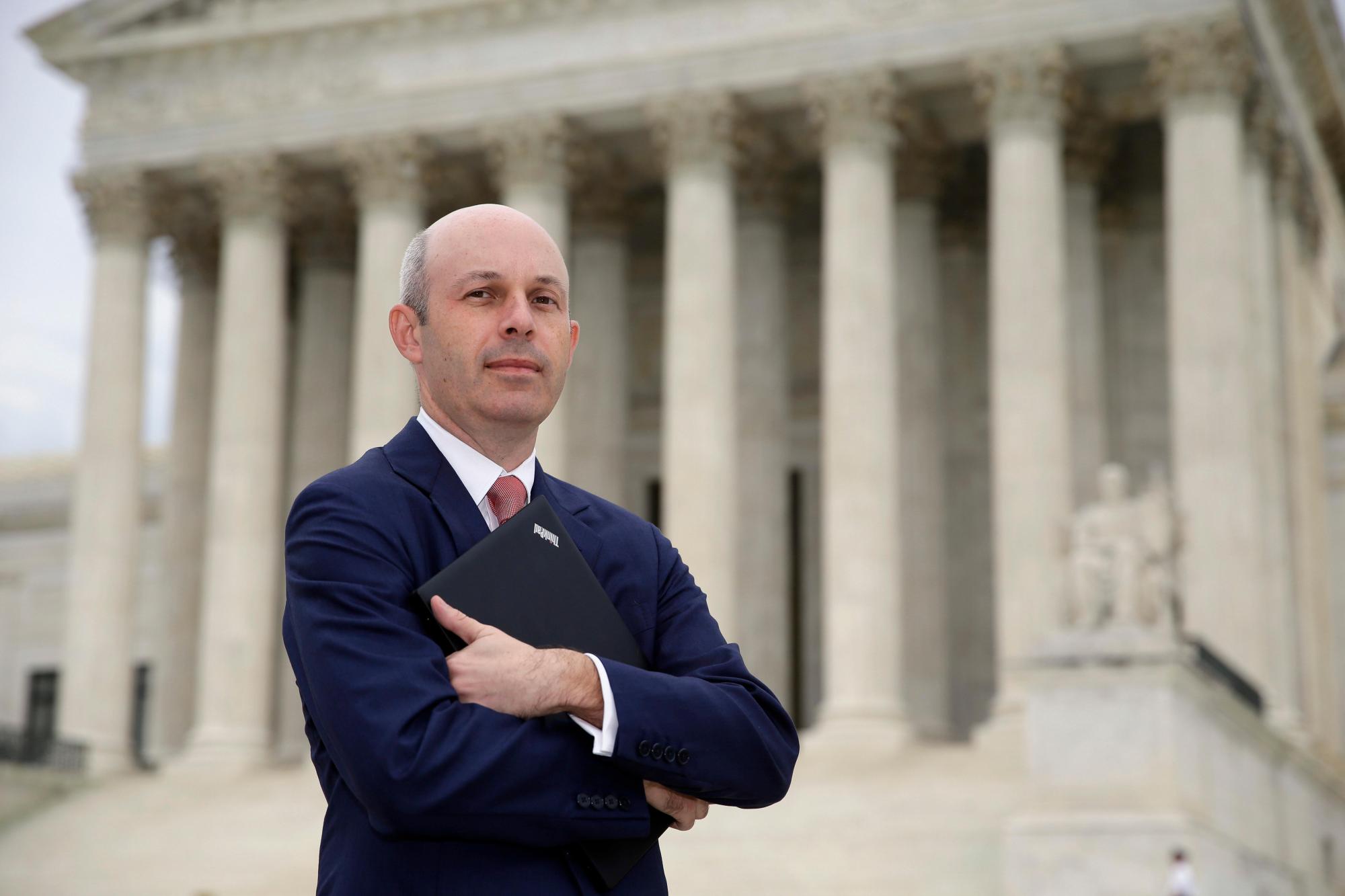
The sentencing of Thomas Goldstein to six years in federal prison represents a critical juncture for the elite appellate bar. A jury in Greenbelt, Maryland, convicted the former Supreme Court litigator on 12 of 16 counts, primarily involving an intricate tax evasion scheme and deceptive practices toward mortgage lenders. This verdict concludes a high-profile investigation into how tens of millions of dollars in gambling-related capital were managed outside the scrutiny of federal regulators.
Institutional Vulnerabilities and Governance in Boutique Firms
Goldstein’s conviction exposes the inherent structural risks within boutique law firms. Unlike larger international entities with multi-tiered compliance departments, boutique practices often concentrate significant operational and financial control in a single founding partner. This lack of institutional friction allowed personal financial volatility—driven by high-variance gambling—to intersect with professional reporting requirements, ultimately leading to systemic failure.
The dissolution of Goldstein’s personal and professional brand highlights the ‘contagion risk’ associated with name-partner misconduct. In specialized fields like Supreme Court litigation, where reputational capital is the primary asset, the collapse of a founder’s integrity can necessitate the immediate de-risking of the firm’s assets and the severance of long-term client relationships to preserve the entity’s remaining viability.
The Mechanics of Professional Financial Misconduct
The prosecution’s case focused on the delta between reported professional income and the actual liquidity required to sustain a lifestyle characterized by high-stakes poker. Federal authorities successfully argued that the movement of tens of millions of dollars through gambling channels was a calculated effort to circumvent tax obligations. This underscores the increasing sophistication of federal financial audits, which now utilize cross-referenced casino records and bank disclosures to identify discrepancies in reported earnings.
Furthermore, the mortgage fraud counts indicate that personal liquidity crises—often masked by professional success—can drive elite practitioners toward institutional deception. By providing false financial disclosures to lenders, Goldstein undermined the risk-assessment frameworks of banking institutions. These actions demonstrate how external financial pressures can erode the ethical guardrails expected of officers of the court.
Long-Term Impact on the Supreme Court Bar and Legal Media
As a co-founder of SCOTUSblog, Goldstein was instrumental in the democratization of judicial information. His criminal conviction creates a significant vacuum in the appellate market and shifts the competitive landscape toward more traditional, institutionalized firms. The reputational blow extends to the broader legal media ecosystem, as the individual most associated with explaining constitutional law to the public has been relegated to the status of a federal convict.
The 72-month sentence reflects the court’s commitment to deterring high-net-worth individuals from strategic financial non-compliance. While the defense emphasized Goldstein’s prior contributions to the legal field, the federal sentencing guidelines prioritize the preservation of tax and banking integrity. This outcome serves as a definitive warning to the legal industry regarding the non-negotiable nature of financial transparency, regardless of an individual’s professional stature or intellectual legacy.

Photo by lapping on Pixabay.