Liga Pro’s Pivotal Matchday 21: Strategic Stakes, Financial Imperatives, and Commercial Dynamics
Liga Pro’s Matchday 21, beginning July 21, 2026, represents a critical juncture in Ecuadorian football, intensifying competitive pressures that directly shape clubs’ strategic trajectories and financial prospects.
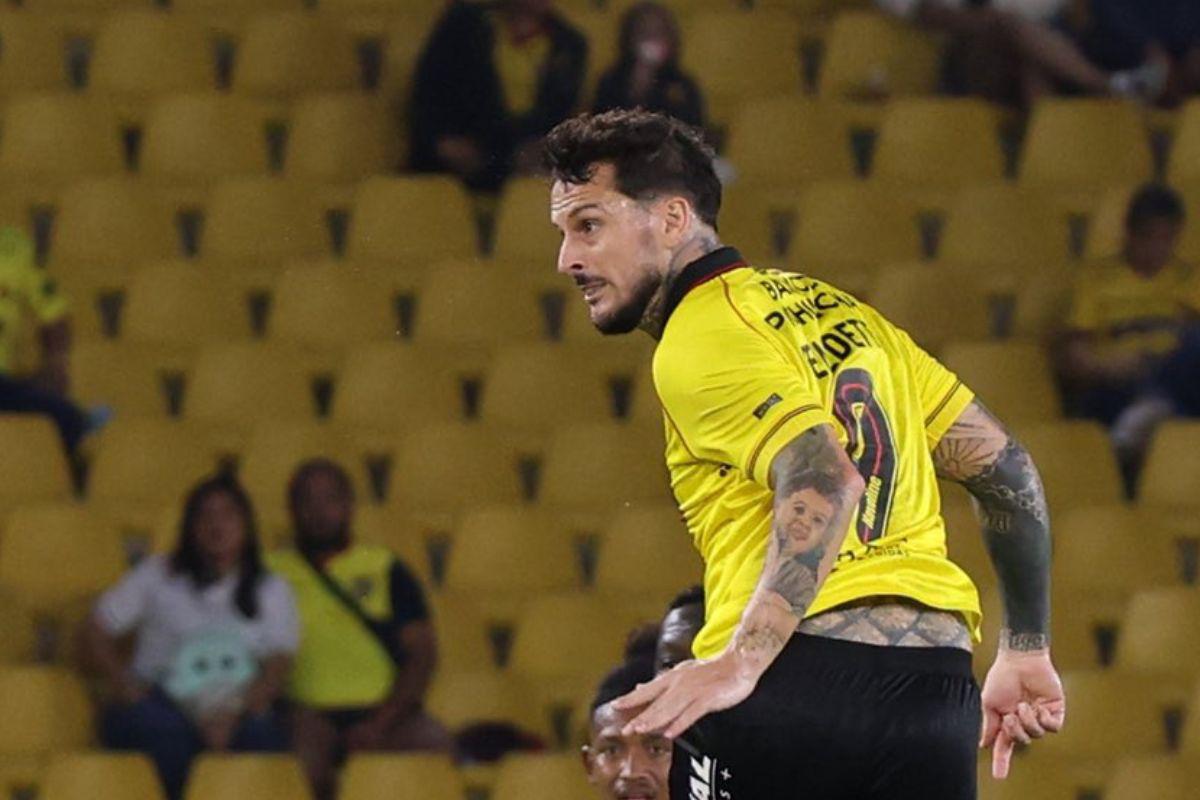
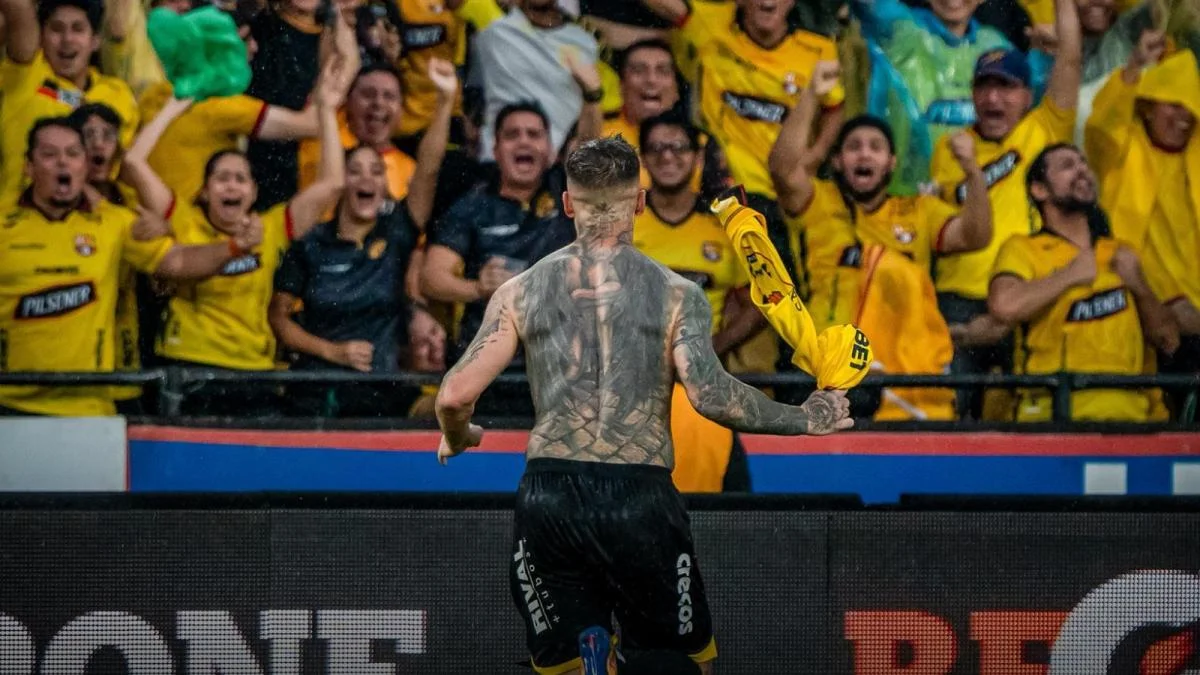
A pivotal fixture sees Universidad Católica host Barcelona SC in Quito, a direct confrontation with profound implications for competitive hierarchy and continental qualification.
Competitive Dynamics and Strategic Positioning
With Barcelona SC (34 points) narrowly ahead of Universidad Católica (32 points), their direct clash holds significant weight, promising an immediate reordering of the league’s competitive hierarchy and influencing both clubs’ seasonal momentum.
Achieving higher league placement is imperative, directly impacting access to lucrative continental competitions like the Copa Libertadores. Qualification serves as a cornerstone of long-term club strategy, delivering substantial financial windfalls and elevated brand visibility across South America.
Barcelona SC’s explicit strategic objective of returning to the Copa Libertadores in 2027 underpins significant operational and financial planning, influencing player recruitment, coaching continuity, and broader club investments to sustain elite performance.
Key Barcelona SC goalkeeper José David Contreras’s public endorsement of coach César Farías strategically reinforces team morale and projects stability, vital for maintaining focus and collective performance during high-pressure, decisive phases of the season.
Conversely, Universidad Católica’s recent consecutive victories and demonstrated defensive solidity indicate strong tactical execution under coach Diego Martínez, providing crucial psychological and operational momentum. This form positions them as formidable contenders capable of disrupting established competitive hierarchies.
Operational Challenges and Performance Leverage
The Estadio Olímpico Atahualpa’s altitude in Quito presents a distinct operational challenge for visiting teams, potentially impacting player endurance and tactical adaptability over ninety minutes. Universidad Católica’s operational strategy involves leveraging this home advantage, maximizing performance in familiar conditions while imposing physiological strain on opponents, thus subtly shifting competitive dynamics and offering a tangible edge.
Beyond the main fixture, Independiente del Valle’s leadership position in its match against Técnico Universitario highlights the broader pressure on trailing clubs. Any misstep risks widening the gap and diminishing championship aspirations for rivals.
Técnico Universitario’s recent consecutive defeats exemplify the volatility of competitive leagues, where rapid performance fluctuations necessitate a critical operational response to reverse negative trends and restore team confidence.
Commercial Ecosystem and Capital Movement
The commercial landscape surrounding Liga Pro fixtures is significantly shaped by strategic partnerships, notably with betting platforms like Bet593. Their promotional campaigns, offering high-value prizes for user participation, exemplify a symbiotic relationship crucial to modern sports economics. Sponsors enhance brand visibility and drive user acquisition by leveraging live sports excitement, while the capital generated directly fuels professional football’s financial ecosystem, supporting operational costs, infrastructure development, and talent acquisition for leagues and clubs.
These commercial activations are strategically designed to amplify fan engagement, transforming passive viewership into active participation. By integrating promotional mechanics with matchday excitement, sponsors cultivate deeper consumer loyalty and expand market reach, directly bolstering the financial viability of the sporting spectacle. The strategic selection of prize offerings resonates with target demographics, enhancing perceived participation value and fostering greater interaction, reflecting a sophisticated understanding of consumer incentives within sports entertainment.
Financial Stakes of Continental Qualification
Beyond prestige, Copa Libertadores qualification carries profound financial implications. The tournament delivers substantial prize money across all stages, from group participation to knockout advancements, significantly boosting club revenues.
Continental exposure also elevates a club’s media rights value, attracting larger broadcasting deals and increasing international viewership. This expanded reach enhances brand appeal, making clubs more attractive to corporate sponsors seeking broader market penetration.
The Libertadores’ enhanced visibility and competitive platform further increase player market valuations. Successful continental performances attract interest from larger international clubs, generating lucrative transfer fees for reinvestment into club development and talent pipelines.
For clubs like Barcelona SC, consistent Libertadores participation is integral to long-term financial sustainability and strategic growth. It facilitates attracting and retaining top talent, investing in youth academies, and maintaining state-of-the-art facilities, thus reinforcing their competitive edge.
Conversely, failure to qualify results in significant revenue shortfalls, impacting operational budgets and potentially necessitating adjustments in player salaries or transfer activity. This creates a critical structural financial disparity within South American football.
Institutional and Media Context
As Ecuador’s governing body for professional football, Liga Pro plays a crucial institutional role, structuring competitive and commercial dynamics. Its management of the league schedule, regulatory framework, and commercial partnerships directly influences the health and growth of Ecuadorian football. The league’s capacity to foster competitive balance and attract significant sponsorship is vital for its long-term viability. High-stakes matches, amplified by media coverage, contribute to the league’s compelling narrative, drawing larger audiences and enhancing commercial appeal.
Media outlets, through ‘EN VIVO’ coverage and emphasizing ‘high expectations,’ serve as critical conduits for fan engagement and public interest. Their role in framing matches as pivotal events elevates football’s cultural significance, transforming contests into national narratives. This media amplification is essential for monetizing the sport; increased viewership directly translates into higher advertising revenues and greater broadcasting rights value. The interplay of competitive drama, media narrative, and commercial investment forms a self-reinforcing cycle sustaining the professional football industry.
Media’s focus on individual player statements, like Contreras’s coach endorsement, also shapes public perception and internal club dynamics. Such narratives can influence fan sentiment, investor confidence, and player performance by fostering unity or pressure.
Ultimately, Liga Pro’s Matchday 21 transcends a mere series of football games. It serves as a microcosm of the complex interplay between athletic competition, strategic management, financial imperatives, and commercial innovation within the global sports industry. Its outcomes will resonate far beyond the final whistle, influencing the trajectory of clubs, careers, and capital flows in Ecuadorian football for the season ahead and beyond.