Strategic Misalignment: Recruitment vs. Operational Execution
The public critique voiced by Ed Harris regarding his tenure on the Yellowstone spinoff, Dutton Ranch, exposes a significant gap between talent acquisition strategies and production realities. Harris, an Academy Award nominee whose involvement served as a cornerstone of the series’ marketing, reported a breakdown in the initial strategic briefing. Despite being recruited under the premise of a ‘narrative pillar’ with a central role in the show’s architecture, the final production cycle resulted in what Harris characterized as a marginalized contribution.
This disconnect is not merely an artistic grievance; it represents a failure in the communication pipeline between creative leadership—including Taylor Sheridan and 101 Studios—and talent representation. In high-stakes television, character hierarchy dictates compensation and screen-time allocation. When the actualized role failed to meet these structural expectations, it prompted Harris to request a contractual release mid-filming, signaling a breakdown in institutional trust.
Operational Friction: Tonal Cohesion vs. Creative Autonomy
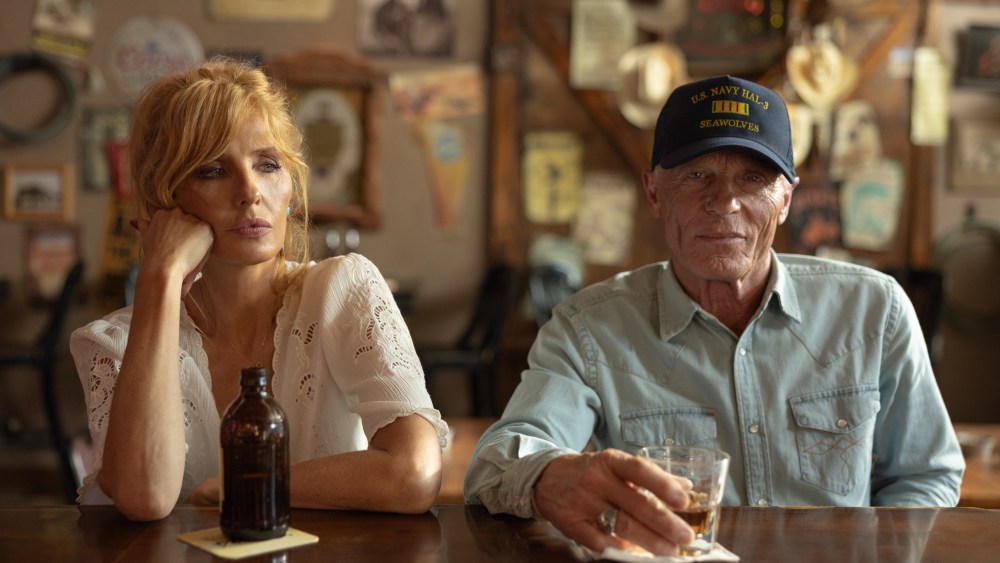
A focal point of this friction was the removal of a pivotal scene featuring Harris’s character, veterinarian Everett McKinney. The excised sequence, which included a musical performance alongside Beth Dutton, was designed to provide character depth and a tonal counterpoint to the series’ pervasive somberness. Production leadership ultimately cut the scene to preserve thematic consistency, prioritizing a darker narrative conclusion over a standalone character showcase.
For a performer of Harris’s caliber, such editorial choices are perceived as an erasure of the professional value proposition that justified his commitment. Harris’s suggestion that these cuts could constitute grounds for voiding his contract highlights the inherent tension between a showrunner’s centralized vision and the creative expectations of veteran talent. This scenario poses a reputational risk to the studio, as it demonstrates a potential underutilization of high-value assets within the ‘Sheridan-verse’ framework.
Institutional Brand Impact and Talent Retention
The institutional silence from Paramount and 101 Studios suggests a reactive approach to managing internal dissent. In the competitive landscape of streaming expansion, public dissatisfaction from a marquee actor can disrupt marketing momentum and complicate future recruitment efforts. Harris’s comments suggest that the professional toll of the experience outweighed the project’s objective quality, creating a ‘prestige gap’ where the studio leverages an actor’s reputation without providing a reciprocal creative return.
While production has reportedly pivoted to offer Harris an expanded role in the second season to mitigate this tension, the initial experience has established a baseline of skepticism. For stakeholders, this case underscores the necessity of aligning pre-production promises with the logistical and creative reality of the shoot. The stability of the Yellowstone franchise depends not just on audience reception, but on the sustainable management of the high-profile ensembles that define its brand.