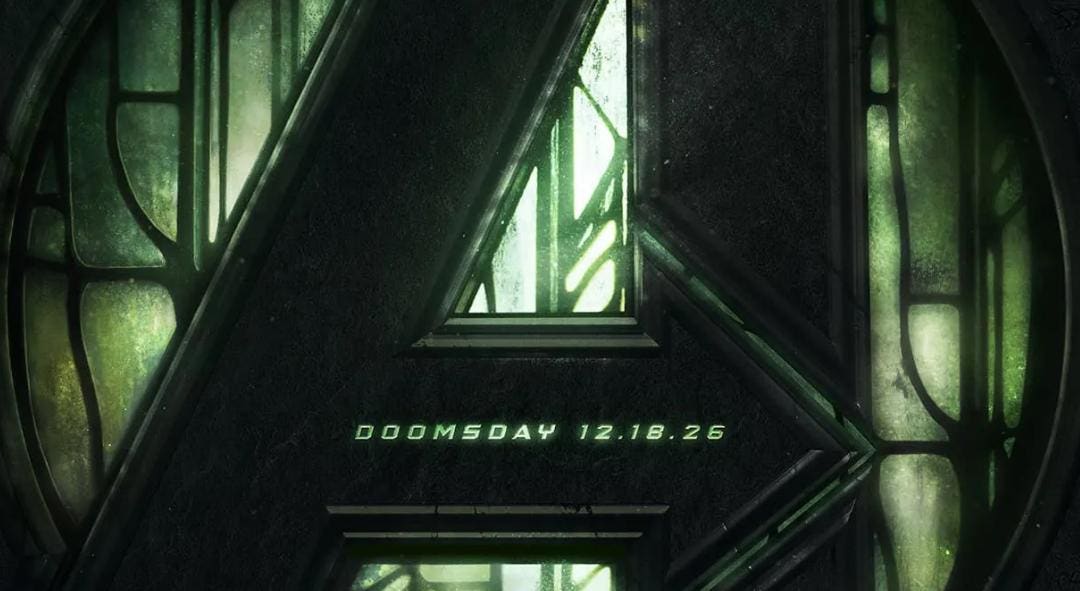
The unveiling of the initial conceptual framework for Avengers: Doomsday signals a definitive strategic realignment for Marvel Studios. This transition represents an institutional pivot toward legacy asset utilization, intended to stabilize the Marvel Cinematic Universe (MCU) amid the creative and commercial fluctuations of the Multiverse Saga. By centering the narrative on Robert Downey Jr. (RDJ) as Victor von Doom, Disney is leveraging established actor equity to anchor a high-stakes narrative reset.
Legacy Capital and Actor Equity Subversion
Casting Robert Downey Jr. as the primary antagonist represents a sophisticated exercise in brand subversion. Rather than a standard reprisal of Tony Stark, the studio is utilizing RDJ’s performance profile to generate immediate cultural gravity. This maneuver seeks to replicate the fiscal dominance of the Infinity Saga by utilizing familiar talent in a diametrically opposed narrative capacity, effectively hedging against the ‘superhero fatigue’ observed in recent Phase 4 and 5 outputs.
Institutional Attrition and Creative Continuity
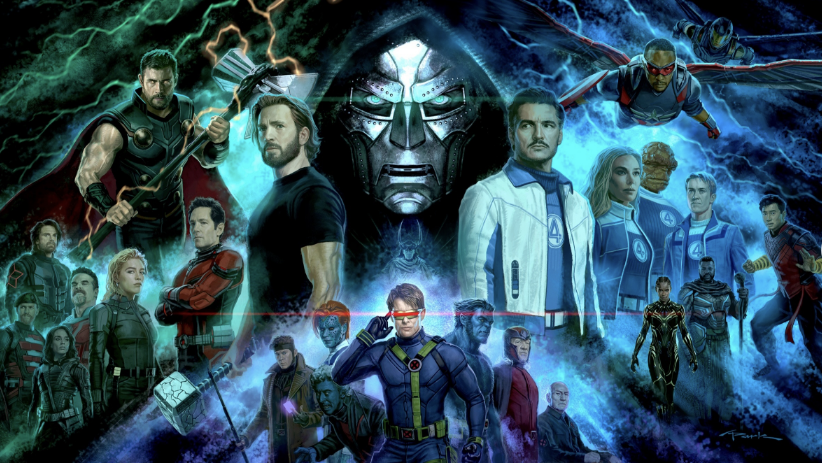
The exit of Andy Park, a 16-year veteran and Director of Visual Development, serves as a microcosm of broader structural disruptions within Marvel Studios. His departure, following the April 2024 Disney workforce reductions, suggests an operational shift toward leaner creative pipelines. Park’s final contributions define the aesthetic threshold of Phase 6, marking a transition from the established visual language of the franchise to a potentially more fragmented, project-specific style.
Tactical Integration of Fox-Era IP
The reintegration of legacy X-Men assets—specifically Alan Cumming (Nightcrawler), Kelsey Grammer (Beast), and Rebecca Romijn (Mystique)—is a calculated move toward brand consolidation. By bypassing the lengthy exposition required for new character iterations, Marvel is opting for ‘demographic capture,’ appealing to multi-generational audiences familiar with the early 2000s Fox filmography. This structural alignment fulfills the narrative mandate of the Multiverse concept while providing immediate performance leverage to the ensemble cast.
Hierarchical Displacement and Narrative Anchors
The visual positioning of Chris Evans as Steve Rogers—sans Captain America mantle—introduces a complex power-scaling hierarchy. Prioritizing Rogers’ iconic status over Anthony Mackie’s Sam Wilson indicates a strategic de-emphasis of post-Endgame leadership transitions. This ‘safe’ narrative anchoring suggests a lack of institutional confidence in the commercial viability of the newer vanguard, opting instead for historical continuity to ensure fan-service optimization.
The Multiverse Connective Tissue: Loki and the Fantastic Four
The formal integration of the Fantastic Four establishes a new foundational pillar for the MCU’s intellectual property. Concurrently, the central positioning of Tom Hiddleston’s Loki confirms his status as the structural necessity of the Multiverse narrative. His evolution from a secondary antagonist to a cosmic anchor provides the stability required to manage the increasingly complex cross-over logic of Phase 6.
Conclusion: Financial Inflection and Stakeholder Expectations
For Disney, Avengers: Doomsday functions as a critical financial instrument designed to stabilize shareholder sentiment. The heavy reliance on nostalgia and proven assets reflects a ‘too big to fail’ operational philosophy. As Marvel Studios enters this final stage of the Multiverse Saga, the success of this strategy will dictate the creative and fiscal trajectory of the franchise for the next decade.