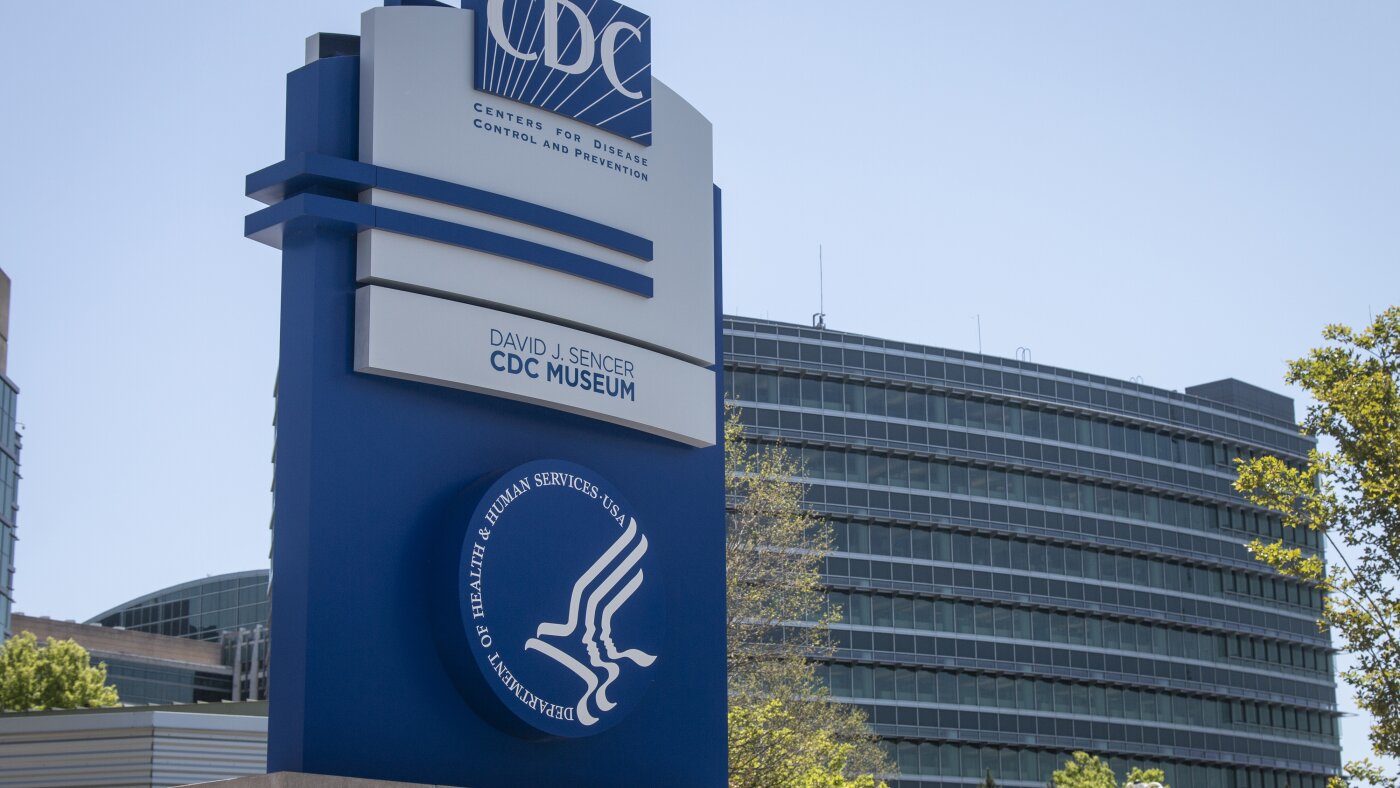
Multi-State Cyclosporiasis Outbreak Intensifies Food Supply Chain Scrutiny
An escalating outbreak of cyclosporiasis, a gastrointestinal illness caused by the parasite Cyclospora cayetanensis, has been detected across 31 U.S. states. Federal health authorities report at least 843 confirmed cases since May 1, though the true infection count is likely substantially higher due to reporting lags and asymptomatic cases. Michigan alone reports over 1,500 cases, underscoring critical vulnerabilities within the fresh produce supply chain and necessitating a re-evaluation of food safety protocols.
The Centers for Disease Control and Prevention (CDC) is actively collaborating with state health departments to reconcile case counts. The CDC’s national tally of 843 confirmed cases is a fraction of the total burden, highlighting challenges in real-time epidemiological tracking and the potential for underestimation of outbreak severity.
While the specific source remains under investigation, historical precedents strongly implicate fresh produce. Past outbreaks have been definitively linked to contaminated fruits and vegetables, prompting significant industry responses, such as McDonald’s removal of salads in 2018. This recurring pattern suggests systemic issues in agricultural practices, harvesting, or distribution.
The economic implications for the agricultural sector and food retailers are considerable, extending beyond immediate recall costs. Sustained foodborne illness outbreaks erode consumer confidence, potentially reducing demand for certain products and increasing operational expenses for enhanced safety measures. Companies failing to adapt risk reputational damage and market share erosion.
Michigan has emerged as a primary epicenter, reporting a disproportionately high number of cases. This localized intensity necessitates targeted epidemiological investigation to pinpoint specific vectors of transmission, informing broader preventative strategies.
Other states, including Ohio, New York, Illinois, Indiana, North Carolina, and Texas, have also reported a notable increase in cases. The CDC’s observation of a jump in cases across multiple states in the last two weeks compared to the prior year underscores the current outbreak’s acute and escalating nature.
Cyclospora cayetanensis thrives in warm, moist environments, making summer months a peak season for its proliferation. This seasonal correlation, coupled with the current outbreak’s timing, reinforces the importance of stringent hygiene and food preparation practices during periods of high fresh produce consumption.
The CDC has confirmed 86 hospitalizations nationwide, with no reported deaths. While generally not fatal, the hospitalization rate signifies the potential for significant public health burden and strain on healthcare resources.
Transmission via contaminated food or water places a direct onus on agricultural producers, food processors, and distributors to implement robust safety and sanitation protocols. The parasite’s life cycle and environmental persistence present ongoing challenges requiring continuous monitoring and adaptation of control measures.
Identifying the specific food item or agricultural source is critical for preventing future occurrences. Targeted interventions, such as enhanced testing or improved farming practices, can mitigate risks for consumers and the food industry.
The reliance on fresh produce as a dietary staple means disruptions to its safety have broad public health implications. Consumers are increasingly aware of foodborne risks, leading to shifts in purchasing behavior and greater demand for transparency and assurance regarding food origins and safety standards.
Regulatory bodies like the FDA and state health departments play a crucial role in overseeing food safety standards. The current outbreak will likely trigger increased regulatory scrutiny and potentially lead to revised guidelines or stricter enforcement actions.
Long-term industry impacts may include increased investment in traceability technologies, advanced pathogen detection, and rigorous supplier verification processes. Companies proactively investing in these areas will be better positioned to manage risks and maintain consumer trust.
The cyclical nature of Cyclospora outbreaks, particularly linked to seasonal produce, suggests a need for more proactive and predictive public health strategies, including enhanced surveillance systems for early detection and rapid response.
Consumer education on safe produce handling and preparation remains vital. While industry and regulatory measures are paramount, empowering consumers with knowledge about washing produce thoroughly can contribute to a multi-layered food safety approach.
This outbreak serves as a stark reminder of the interconnectedness of global food systems and the imperative for robust, resilient safety nets. Findings will inform future policy, industry best practices, and public health initiatives.
Financial incentives for producers and distributors to prioritize safety are tied to market access and brand reputation. Incidents like this can lead to significant financial penalties, loss of contracts, and long-term damage to brand equity.
The media’s role in disseminating information is critical for public awareness and prompting action, influencing consumer behavior, regulatory focus, and industry investment in safety improvements.
Operational challenges for food businesses include maintaining consistent quality control across diverse supply chains. Ensuring safety standards at every stage requires sophisticated management systems and continuous improvement.
Strategic implications for food companies involve risk management and competitive differentiation. Businesses demonstrating superior food safety practices may gain an advantage by attracting health-conscious consumers.
Consumer purchasing decisions are a powerful driver for change. Heightened awareness of foodborne risks can compel companies to invest more heavily in safety measures.
The institutional response from public health agencies involves surveillance, investigation, and public communication, contingent on adequate funding, robust data collection, and inter-agency collaboration.
Performance leverage for food safety technology providers is significant, as outbreaks create demand for innovative solutions in pathogen detection, traceability, and supply chain analytics.
Capital movement within the food industry will likely see increased allocation towards food safety infrastructure, R&D for preventative measures, and enhanced quality assurance programs.
The competitive landscape for fresh produce suppliers will be shaped by their ability to demonstrate a consistent track record of safety. Suppliers with a history of outbreaks may face exclusion from major retail channels.
The retail sector’s exposure to outbreaks is direct. Retailers must implement rigorous incoming product inspection and recall procedures to protect customers and their brand reputation.
Downstream consequences include potential price increases for produce due to enhanced safety measures, and a greater emphasis on product origin and certification.
Strategic decision-making for food industry leaders must incorporate a more proactive and integrated approach to food safety, embedding prevention at the core of operations.
Performance leverage for food safety auditors and certification bodies will increase, as retailers and producers seek independent verification of safety claims.
Capital markets will likely reward companies demonstrating strong food safety governance and a proactive approach to risk management.
Competitive implications extend to the global market, as international trade is subject to varying regulatory standards. Harmonization of safety protocols is essential.
The exposure of public health systems to the burden of managing widespread outbreaks is significant, requiring resources for surveillance, investigation, and public health advisories.
Strategic decisions for regulatory agencies will involve assessing current regulations and potentially proposing updates to address emerging threats and evolving agricultural practices.
Performance leverage for public health communication specialists is crucial for ensuring accurate and timely information reaches the public, helping to prevent further infections and manage public perception.
Capital investment in agricultural technology enhancing food safety is likely to accelerate in response to recurring outbreaks.
Competitive positioning of food distributors will be influenced by their ability to offer supply chain transparency and assurance of product safety.
Consumer exposure to health risks is the ultimate consequence, driving the need for continuous improvement across the food production and distribution network.
The strategic imperative for the food industry is to foster a culture of food safety that permeates every level of an organization.
Performance leverage for food safety consultants will grow, as companies seek expertise to navigate complex regulatory environments and implement best practices.
The capital required for implementing comprehensive food safety programs represents a significant but necessary investment for the food industry.
Competitive dynamics will increasingly favor companies that can effectively manage and communicate their food safety performance, turning potential liabilities into opportunities.