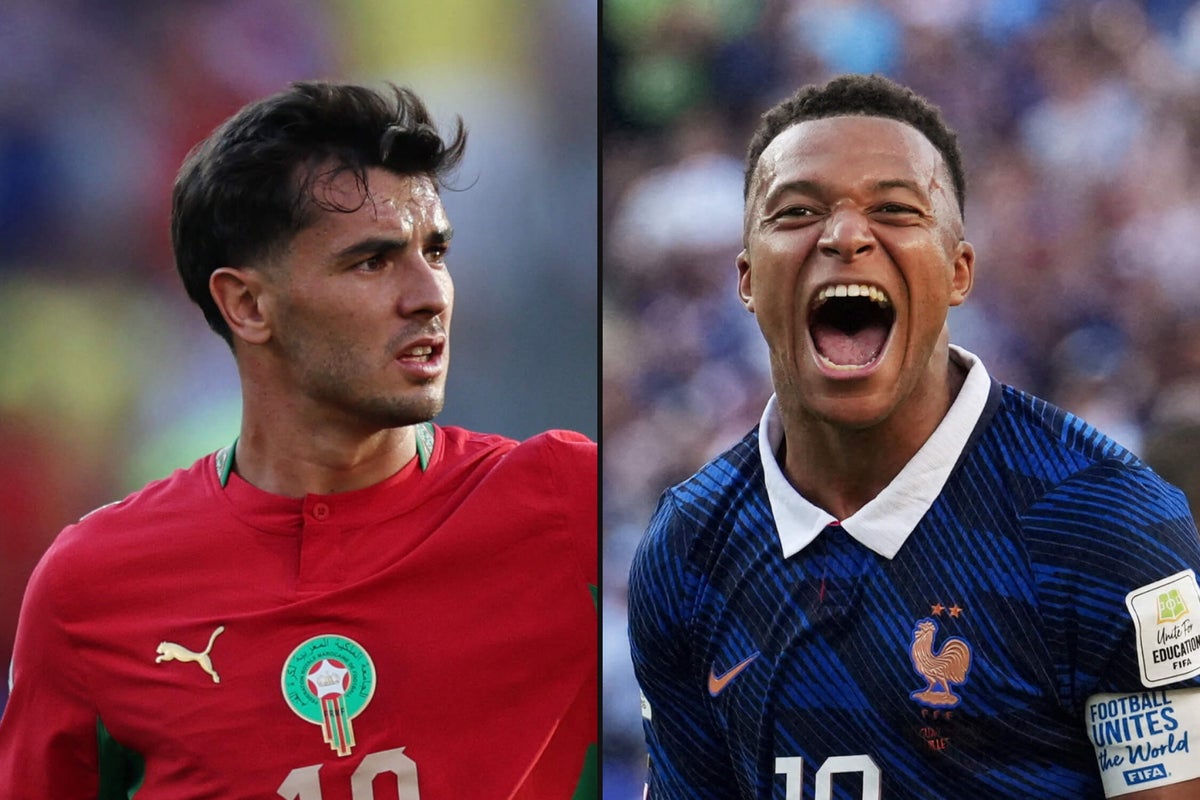
The 2026 Competitive Landscape
As the 2026 World Cup enters the quarterfinal stage, the contrast between perennial powerhouses and rising tactical innovators has never been sharper. France enters the matchup with an unblemished record, winning five consecutive matches without the need for extra time. This momentum, spearheaded by Kylian Mbappé’s pursuit of the Golden Boot, defines a French squad characterized by clinical efficiency and structural dominance.
Morocco: Bridging the Institutional Gap
Morocco’s second consecutive quarterfinal appearance marks a paradigm shift for African football. The Atlas Lions have transitioned from dark-horse status to a robust, disciplined unit capable of neutralizing elite offensive systems. This match is a test of Morocco’s institutional maturity, gauging whether their defensive framework can withstand the sustained pressure of France’s high-frequency transition game.
Tactical Re-evaluations and Strategic Leverage
This fixture serves as a high-stakes rematch of the 2022 Qatar semifinal. Tactically, the focal point remains the mitigation of Mbappé’s influence. Given his seven-goal tournament output, Morocco is expected to employ a sophisticated mid-block, forcing France to prioritize lateral ball movement over vertical penetration. Both coaching staffs must now weigh previous tactical blueprints against the current physical fatigue levels inherent to this late stage of the tournament.
Historical Context and Societal Resonance
While FIFA maintains a strict boundary between football and politics, this matchup possesses an unavoidable historical dimension rooted in the French-Moroccan colonial era (1912–1956). Academic analysts note that the fixture resonates deeply with national identity, transforming the pitch into a venue for competing historical narratives. This subtext increases the psychological stakes, adding a layer of intensity to the standard competitive analysis.
Institutional Trajectories and Market Impact
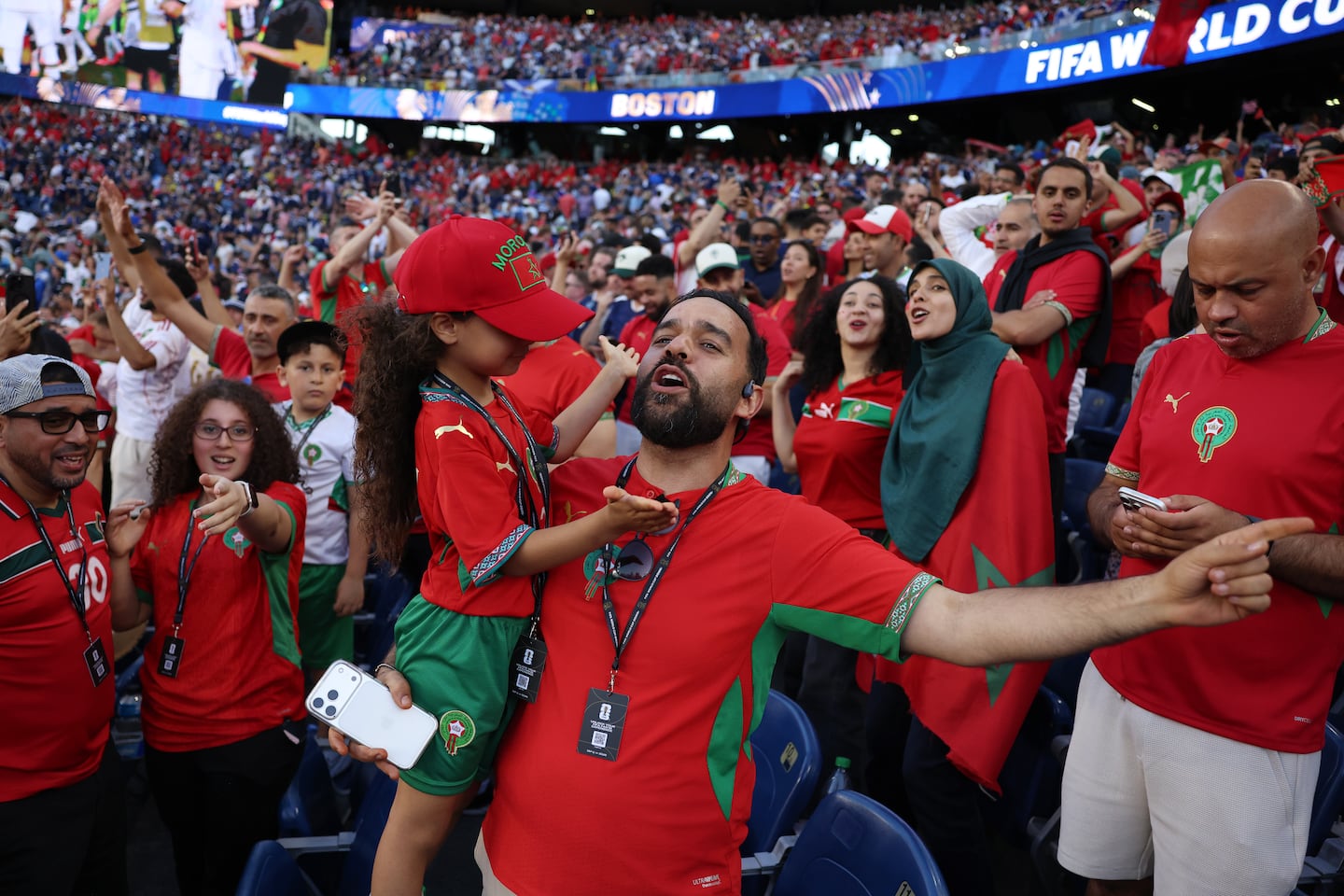
The 2026 tournament, set against the backdrop of the upcoming 2030 centenary, acts as a benchmark for long-term football investment. For global federations, the success of Morocco confirms the efficacy of talent-pipeline development and strategic tactical investment. Conversely, the logistical challenges of the multi-nation hosting model—exemplified by the Gillette Stadium venue—highlight the commercial maturation of the tournament, which continues to drive record-breaking media engagement despite off-field controversies, including recent diplomatic and reputational incidents involving high-profile players.
Conclusion: The Path to the Semifinals
France aims to secure a third consecutive semifinal appearance, a feat that would solidify their status as a modern dynasty. Morocco, by contrast, seeks to break the glass ceiling of global hierarchy. This quarterfinal is more than a technical contest; it is a convergence of institutional ambition, historical legacy, and elite individual performance that will define the trajectory of the 2026 World Cup.