Incident Overview and Flight Disappearance
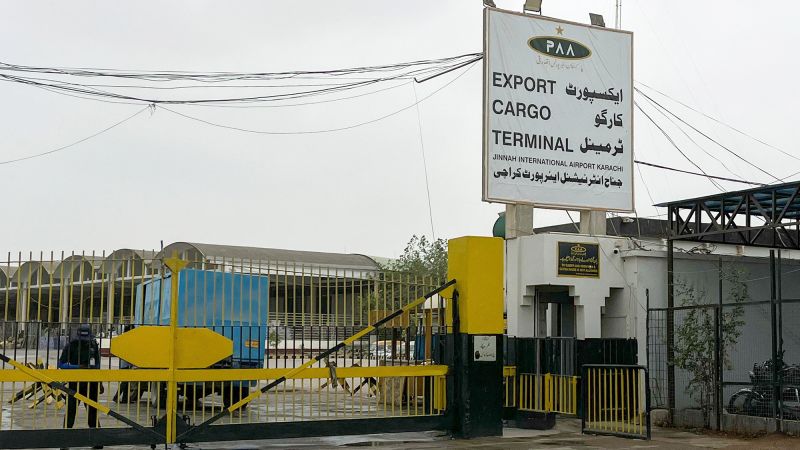
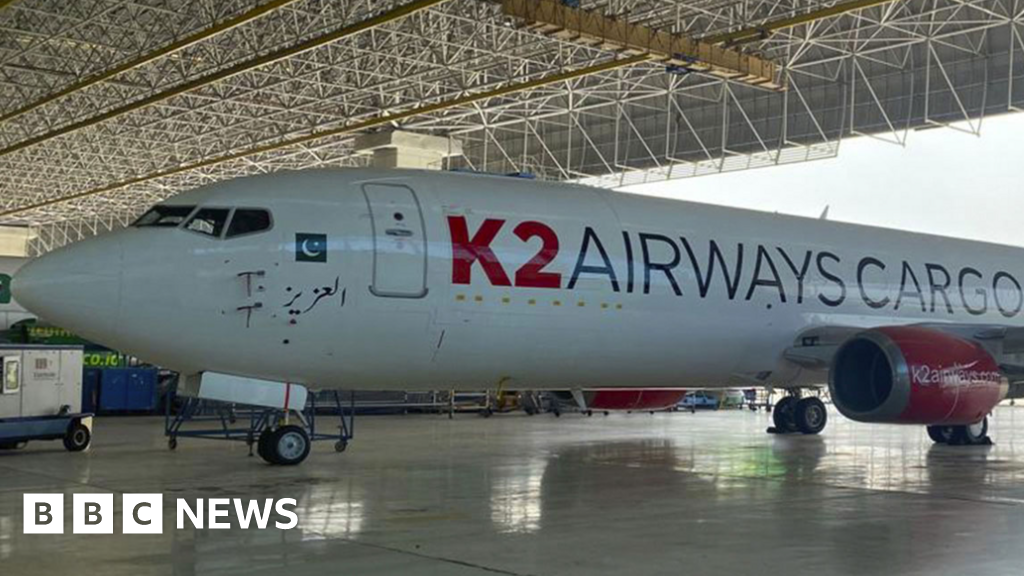
On Tuesday at 21:21 local time (16:21 GMT), a K2 Airways Boeing 737 cargo flight carrying five crew members—two pilots, two flight engineers, and one logistics support staff member—lost contact with air traffic control during its final approach to Karachi, Pakistan. The 27-year-old converted freighter was executing a regional transit from Sharjah, United Arab Emirates (UAE)—a major Middle Eastern logistics hub—to Karachi’s Jinnah International Airport. Minutes prior to radar signal termination, the flight crew transmitted alerts regarding a critical navigation system failure to the Pakistan Airports Authority. While search and rescue operations commenced immediately under federal directive, and Prime Minister Shehbaz Sharif expressed formal condolences, civil aviation regulators have yet to release an official declaration on the status of the crew or airframe survivability.
Telemetry Analysis and Technical Dimensions of Instrument Failure
Preliminary ADS-B telemetry compiled by Flightradar24 indicates severe flight path instability before signal loss. The data reveals sudden altitude fluctuations, suggesting manual control struggles, immediately followed by a rapid, high-velocity descent over the Arabian Sea, southwest of Karachi. In narrowbody aviation architecture, a primary navigation failure requires an immediate transition to secondary backup instruments and manual attitude control. During a night approach over water, the absence of visual references elevates the risk of spatial disorientation. If the navigation anomalies stemmed from a wider electrical distribution failure or a bus dropout, backup instruments and transponder systems may have been simultaneously compromised, explaining the abrupt cessation of radar telemetry and the steep, uncontrolled descent profile.
Maritime Search Operations and PCAA Investigative Protocols
The search and rescue theater in the Arabian Sea presents formidable environmental obstacles, characterized by complex tidal currents, seasonal wind profiles, and variable bathymetry southwest of Karachi. Coordinated by the Pakistan Civil Aviation Authority (PCAA) and maritime security agencies, assets are scanning designated search grids to intercept Emergency Locator Transmitter (ELT) frequencies and locate floating debris. If the airframe settled on the seabed, specialized side-scan sonar and deep-water acoustic recovery gear will be required to locate the cockpit voice recorder (CVR) and flight data recorder (FDR). Under international aviation treaties, the PCAA will lead the technical investigation, auditing the carrier’s flight training records, maintenance protocols, and air traffic control communication logs to determine the sequence of events.
Operational Economics of Converted Passenger-to-Freighter Aircraft
The incident highlights the distinct maintenance profiles of older, passenger-to-freighter (P2F) converted airframes. Operating a 27-year-old narrowbody freighter allows secondary carriers like K2 Airways—established in 2018—to scale regional capacity with minimal capital expenditure compared to acquiring new-build freighters. However, P2F conversions alter structural load paths, demanding stringent inspection regimes to monitor fuselage fatigue, corrosion, and wiring degradation. Balancing low initial acquisition costs against escalating maintenance, repair, and overhaul (MRO) expenses remains an ongoing operational challenge for private regional operators. This event will likely prompt global civil aviation authorities to re-evaluate airworthiness directives and safety margins for aging converted narrowbody assets.
Logistics Disruption and Aviation Insurance Implications
As a private cargo carrier bridging capacity gaps on the vital Sharjah-Karachi logistics corridor, K2 Airways faces immediate operational and financial constraints. Rerouting time-sensitive and high-value cargo through alternative carriers will likely inflate regional transit times and operational supply chain costs. Furthermore, this incident is expected to disrupt the regional aviation insurance market. Actuaries and underwriters will reassess hull and liability premiums for operators running older aircraft fleets in South Asia. Increased insurance overheads may accelerate fleet retirement timelines, pushing emerging carriers toward newer, capital-intensive platforms, while corporate cargo clients may shift cargo volumes to larger multinational logistics integrators with established modern fleets.