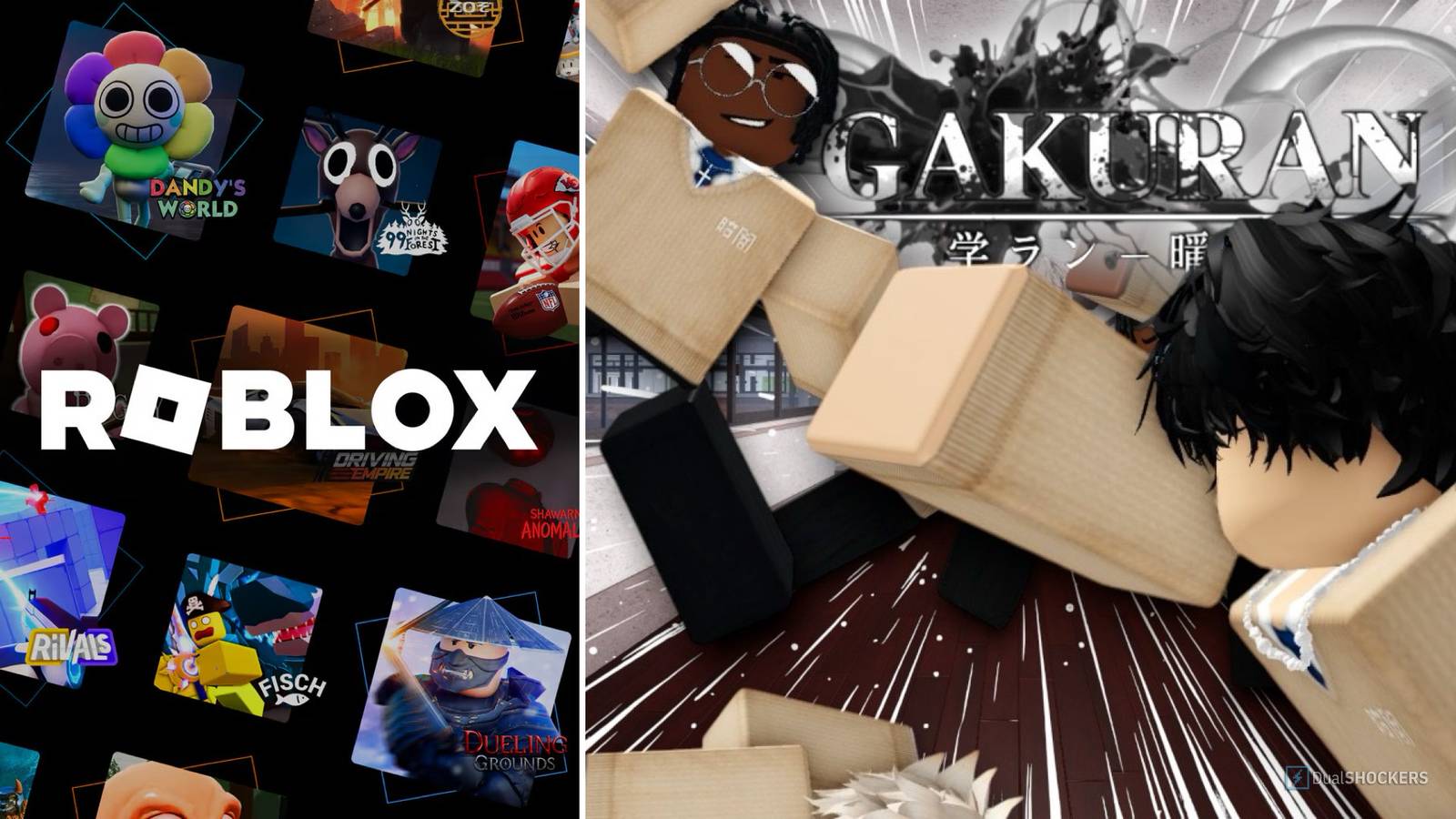
The Strategic Architecture of Gakuran in the Roblox Ecosystem
The rise of Gakuran within the Roblox marketplace illustrates a broader evolutionary shift toward highly optimized, hybrid experiences that synthesize social simulation with competitive, high-fidelity combat. By blending elements of Japanese school-life roleplay with mechanical player-versus-player (PvP) systems, the title addresses disparate player personas. This dual-loop structure allows players to alternate between low-intensity social activities and high-stakes competitive loops, maximizing session length and organic retention.
In July 2026, the deployment of promotional codes—specifically 15REROLLS and GAKURAN—acts as a primary driver of player onboarding and engagement. These codes grant immediate access to character rerolls, which function as the primary mechanism for adjusting core character attributes, including fighting styles, physical height, and cosmetic assets. By offering these high-value incentives, developers lower the barrier to entry, permitting new users to immediately participate in the game’s competitive meta without encountering early-game progression bottlenecks.
Furthermore, distributing these codes through off-platform channels, particularly the game’s dedicated Discord server, highlights a sophisticated multi-channel community management strategy. By driving in-game traffic to external hubs, developers bypass platform discovery limits, building a direct marketing channel to their core player base. This decentralized audience management model insulates the developers from sudden shifts in Roblox’s internal recommendation algorithms while establishing a stable environment for future updates.
Deconstructing the Social Gatekeeping and Viral Acquisition Loop
A key structural innovation in Gakuran is the deliberate friction introduced into its code redemption flow. Unlike traditional Roblox experiences that permit friction-free code activation, Gakuran enforces a dual-requirement gate: users must join the official Gakuran Roblox group and maintain a minimum of five platform friends. This design turns a standard promotional campaign into an organic, self-sustaining viral acquisition engine.
By conditioning rewards on group membership, the developers convert casual players into community members, gaining direct access to their home feeds to push updates and promotional content. More significantly, the five-friend threshold leverages the social graphs of existing players. To claim valuable rerolls, users must invite peers or socialize with active players, lowering customer acquisition costs (CAC) while increasing the network density of active servers.
This mechanism demonstrates how modern developers manipulate platform-level social infrastructure to drive growth. By reframing a transactional code redemption as a collective, social activity, Gakuran maintains a highly connected player base. This interconnectedness is critical for sustaining an online environment where social status, custom cosmetics, and peer-to-peer competition drive long-term engagement.
The Microeconomics of Rerolls and Character Customization
In Gakuran, character customization is not merely cosmetic; it is a core system that directly influences combat efficiency and social standing. The ability to modify combat styles, character height, and visual accessories via randomized rerolls introduces a loop of optimization. This randomized progression system creates constant demand for customization resources as players seek optimal combat and social builds.
The codes active in July 2026, which yield a combined total of twenty-five free rerolls, serve as a critical economic buffer. These free rolls allow players to bypass the early-game grind, offering immediate opportunities to reset undesirable traits. For example, players looking to change their combat style or adjust their character’s physical stature can use these codes to bypass hours of repetitive resource farming.
This reliance on random rolls creates a balanced monetization framework where players constantly trade time for capital. While players can earn customization resources through gameplay, the introduction of free codes demonstrates the immediate value of rapid customization. Exposure to high-tier personalization options early on encourages players to invest emotionally in their character’s identity, paving the way for future monetization through premium asset purchases.
Spatial Design and Player Behavior Dynamics
The virtual map of Gakuran is strategically zoned to guide player behavior and accommodate diverse playstyles. Safe social hubs—such as a local convenience store, a ramen shop, and classroom corridors—provide low-stress zones for passive socialization and casual mini-games. These localized areas serve as social anchors, cultivating a sense of shared identity and community among players.
In contrast, competitive dynamics are concentrated in specific high-traffic areas, most notably the school courtyards and rooftops. These zones act as informal combat arenas where players engage in anime-style battles to establish dominance and build in-game reputation, often referred to as farming ‘aura.’ The transition from safe spaces like the nurse’s office to high-risk areas like the rooftops creates a compelling risk-reward cycle that keeps players engaged.
This clear spatial division ensures that Gakuran can support multiple player archetypes within a single server. Social-focused players can find refuge in quiet corners, while competitive players have constant access to PvP engagements. By balancing these contrasting zones, the experience maintains a stable ecosystem where different playstyles support and enrich one another.
Competitive Positioning and the Hybridization Trend
Gakuran’s market positioning reflects a growing trend on Roblox toward the hybridization of simulation and combat genres. By merging high school social simulation with deep combat mechanics, the title carves out a unique niche, capturing market share from both the roleplay community and competitive fighting game enthusiasts.
Industry analysts often compare Gakuran’s thematic loop to established IPs like the Persona series, pointing to its combination of mundane school life and supernatural combat. However, Gakuran differentiates itself by focusing heavily on direct, real-time PvP combat, aligning its core gameplay with successful Roblox fighting games like Fruit Battlegrounds. This unique mix of roleplay elements and mechanical combat depth provides a distinct competitive advantage in a crowded marketplace.
As the platform matures, multi-layered experiences that offer both deep social and competitive loops are increasingly outperforming single-focus titles. Gakuran’s sustained popularity in July 2026 highlights the viability of this hybrid model. By continuously updating the game with new codes and customization systems, the developers ensure the experience remains engaging for its diverse player base.
Platform Governance and Developer Strategy
The operational success of Gakuran highlights the evolving relationship between independent developers and the overarching Roblox platform governance. To maintain viability, creators must navigate complex monetization rules, algorithmic discovery systems, and platform constraints. Gakuran’s specific redemption rules, such as mandatory group alignment, represent a strategic adaptation to these constraints.
By funneling players into the official Roblox group, the developers build a proprietary database of engaged users within the platform’s infrastructure. This group acts as a buffer against algorithmic changes, ensuring developers can reach their audience directly. Additionally, the reliance on external platforms like Discord for code distribution highlights the need for multi-channel communication strategies in modern game publishing.
Ultimately, Gakuran’s operational strategies in July 2026 showcase the advanced tactics top developers use to optimize player acquisition, retention, and monetization. As the lines between virtual worlds, social networks, and competitive games continue to blur, experiences that successfully integrate these elements will define the future of user-generated content platforms.