The Intersection of Streaming and State Oversight
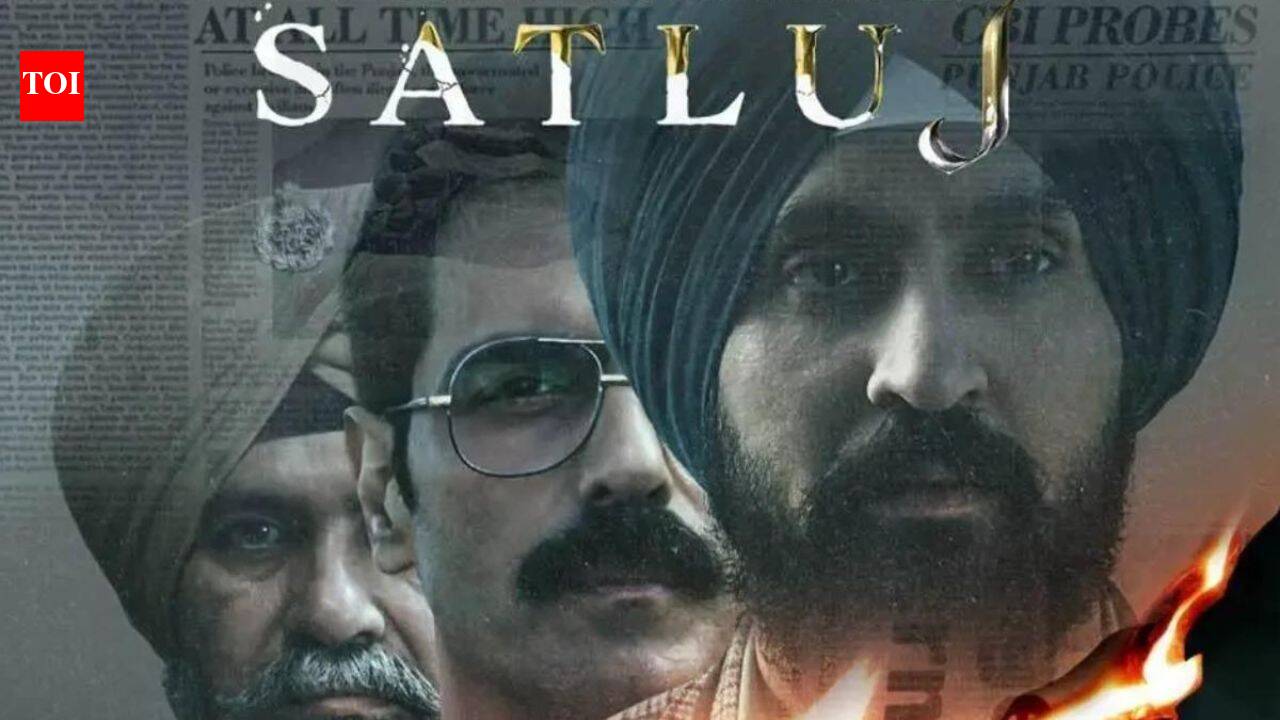
The abrupt withdrawal of the film ‘Satluj’ from ZEE5, merely 48 hours after its digital premiere, marks a pivotal moment in the regulatory landscape of Indian digital media. Based on the life and disappearance of human rights activist Jaswant Singh Khalra, the film was removed following government intervention citing national security concerns.
This incident exposes the inherent structural fragility of over-the-top (OTT) platforms when subjected to state-mandated takedowns. While OTT services have historically operated with greater creative latitude than traditional broadcast media, the ‘Satluj’ case demonstrates that these platforms remain vulnerable to executive oversight whenever content intersects with state-defined security interests.
Historical Sensitivity and Institutional Friction
The film’s subject matter—the Punjab insurgency of the 1980s and 1990s—remains a sensitive pillar of historical discourse in India. Jaswant Singh Khalra’s investigative work into extrajudicial killings led to landmark legal actions against law enforcement personnel, making his narrative politically contentious.
Following a three-year struggle with the Central Board of Film Certification (CBFC) regarding its original title, ‘Punjab 95’, the producers pivoted to a direct-to-streaming release as ‘Satluj’. This strategy aimed to bypass the rigid requirements of traditional theatrical certification, only to be neutralized by the government’s application of emergency security powers.
Operational and Strategic Risk for Digital Platforms
For ZEE5, the ‘Satluj’ withdrawal highlights the hazards of hosting content that challenges official state narratives. The platform’s vague justification, citing ‘current developments,’ underscores a broader lack of administrative transparency. This event necessitates a recalibration of the risk-reward calculus for streamers; investments in high-value, socially provocative content must now account for the latent risk of state-ordered censorship, which threatens both platform viability and subscriber confidence.
The Erosion of the Digital Regulatory Advantage
The transition of ‘Satluj’ from a censored theatrical project to an aborted OTT release illustrates the collapse of the regulatory firewall between traditional and digital media. By invoking security mandates, the government has effectively eliminated the distinction between linear cinema and the internet, signaling that the ‘safe harbor’ previously enjoyed by digital platforms is increasingly precarious.
Broader Institutional Consequences
For the media ecosystem, the ‘Satluj’ affair represents a shift toward more cautious content acquisition strategies. The risk of sudden, non-negotiable takedowns disrupts the fundamental economic model of streaming—which relies on the long-term lifecycle of content. As administrative powers are increasingly utilized to curate historical memory, the industry faces an uncertain future defined by potential self-censorship and a more formalized, state-led pre-screening culture for digital archives.