The Round of 16 encounter between Portugal and Spain in Dallas transcends its status as a regional rivalry, evolving into a definitive test of European tactical supremacy on the global stage. This fixture serves as a direct sequel to the 2025 Nations League final, where Portugal’s 2-2 (PK) victory established a psychological blueprint that both technical staffs must now navigate under the heightened stakes of the 2026 World Cup.
Tactical Bifurcation: Martínez’s Pragmatism vs. Spanish Systemic Control
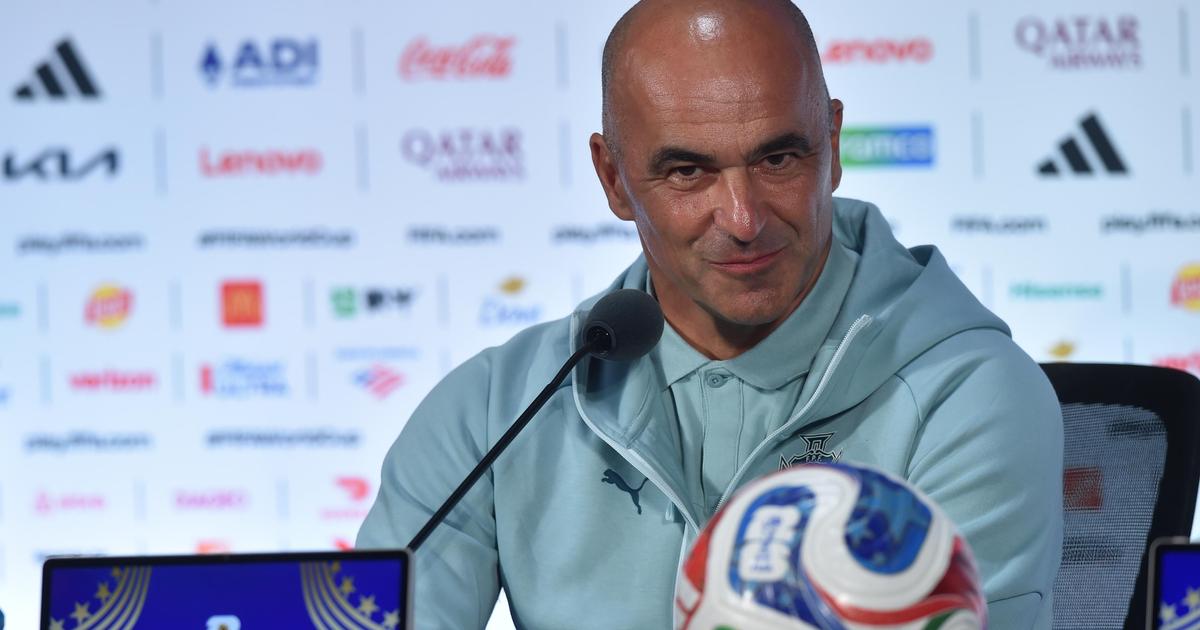
Roberto Martínez has steered the Portuguese side toward a philosophy of ‘operational pragmatism,’ prioritizing result-oriented flexibility over rigid structural adherence. This shift is most evident in the ongoing discourse regarding the offensive hierarchy: the integration of Gonçalo Ramos alongside Cristiano Ronaldo. While the group stage draws against RD Congo and Colombia exposed defensive vulnerabilities, the late-game success against Croatia validated the efficacy of an asymmetric dual-striker system designed to compromise low-block architectures.
Conversely, Spain enters the knockout phase with renewed technical momentum. Following a stagnant scoreless draw against Cape Verde, their 4-0 clinical dismantling of Saudi Arabia demonstrated a successful recalibration of high-possession play into vertical efficiency. The primary tactical tension in Dallas will involve Spain’s ability to sustain mid-field control without falling victim to the rapid transitions that defined Portugal’s previous continental triumph.
Geopolitical and Tournament Context
The competitive landscape of the 2026 World Cup has been fundamentally altered by the premature exits of traditional powerhouses. Norway’s elimination of Brazil—propelled by an Erling Haaland brace—and England’s 3-2 victory over Mexico have removed significant commercial and sporting obstacles. As the final remaining Lusophone representative following the departures of Brazil and Cape Verde, Portugal carries an intensified cultural and institutional burden.
The selection of Dallas as the venue highlights the logistical priorities of FIFA and broadcast entities like Globo and sportv. The environmental variables, including the Texas climate and the fatigue from previous 120-minute exposures, elevate the importance of bench depth. Portugal’s Diogo Costa, whose penalty-saving reputation was cemented in 2025, remains a critical strategic lever should the match reach a stalemate.
Institutional Stakes and Performance Metrics
For Martínez, the outcome in Dallas will serve as a referendum on his management of the ‘Ronaldo transition.’ Success validates the integration of elite young talent like Ramos, while failure would invite scrutiny regarding the squad’s tactical cohesion. For Spain, the match represents an opportunity to avenge their 2025 shootout loss and prove that their possession-heavy model can yield decisive results against elite defensive units. In a tournament where ‘winning ugly’ has become a celebrated necessity, the clash between Portuguese opportunistic resilience and Spanish technical perfection will define the bracket’s future trajectory.