The Structural Dominance of Open-World Architecture
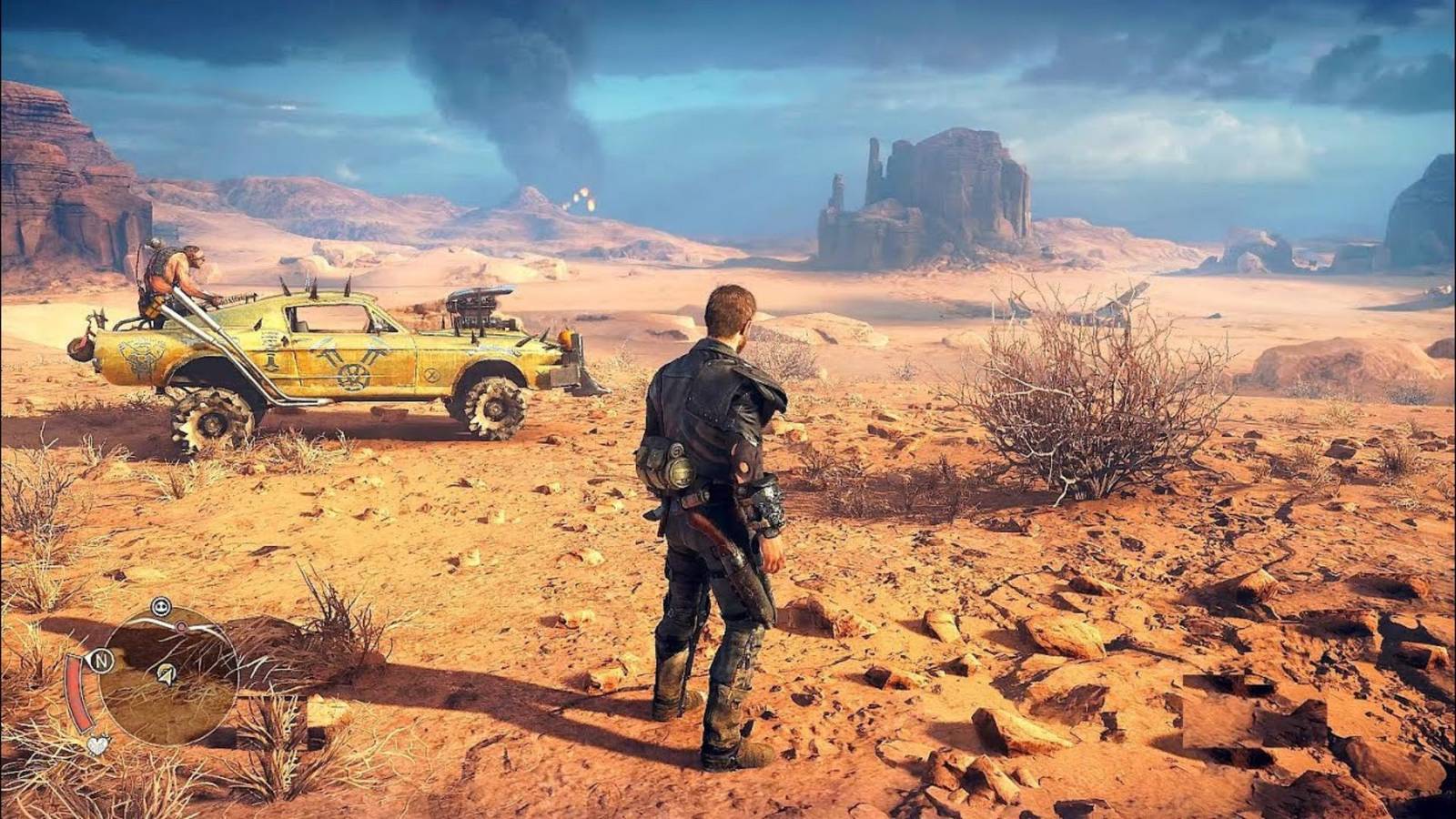
The open-world genre has evolved from a technical novelty into the foundational framework for AAA gaming. Titles like Grand Theft Auto and The Elder Scrolls established the industry standard for scale and interactivity, compelling developers to prioritize expansive, reactive environments. The critical and commercial success of The Legend of Zelda: Breath of the Wild and Elden Ring further cemented this, forcing a market-wide pivot toward open-zone design philosophies.
Countering Homogenization Through Innovation
Despite their popularity, open-world titles face the risk of structural stagnation. Over-reliance on repetitive mechanics—such as Ubisoft-style towers and fetch quests—often sacrifices genuine innovation for predictable engagement. However, creative implementation can mitigate this. For instance, The Saboteur demonstrated that visual progression, such as color-grading shifts based on player liberation, can turn the environment into a tangible feedback mechanism, differentiating gameplay even within standard loops.
Strategic Evolution in Remake Development
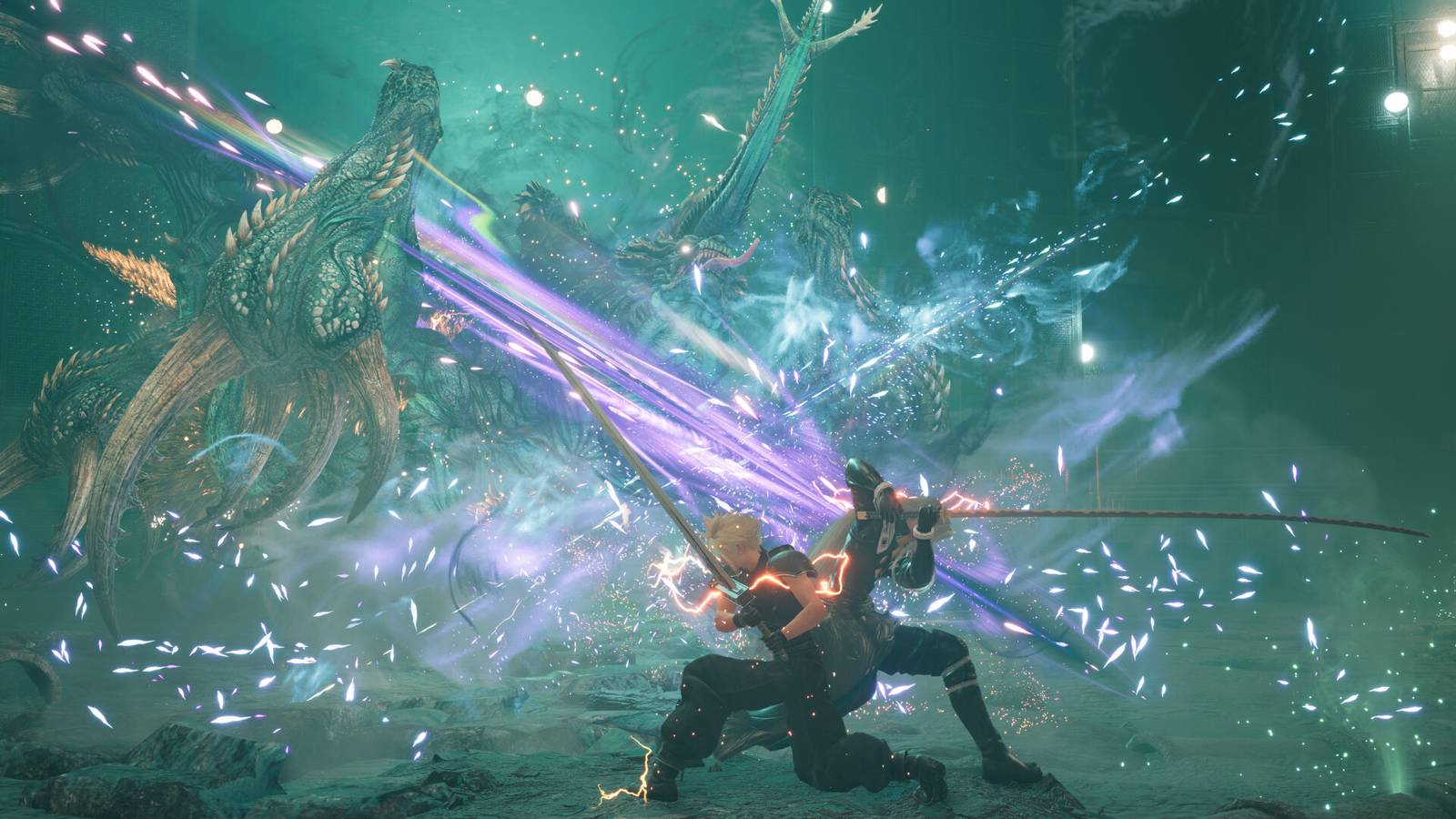
In 2026, the industry is navigating the tension between honoring legacy titles and meeting contemporary expectations. Square Enix has transitioned away from a monolithic, ‘one-size-fits-all’ remake strategy, favoring bespoke development that balances original artistic intent with current market trends. By tailoring mechanical and aesthetic choices to specific titles, studios can better preserve brand equity while avoiding the alienation of core fanbases.
Data-Driven Production and Economic Realities
Institutional pressure and shareholder interests have accelerated the adoption of ‘market-in’ development strategies. High-budget production now heavily utilizes player behavior analytics to allocate resources efficiently. This shift reflects the necessity of ROI optimization in an environment where player attention is a finite, highly contested resource. In a 2026 landscape saturated with 24-plus hour long-form experiences, success is as much about release timing and studio stability as it is about mechanical design.
Future Outlook: Avoiding Design Fatigue
As the industry matures, the focus has shifted toward balancing vast scale with meaningful, non-repetitive content. The ongoing refinement of remake strategies signals a market that is increasingly sensitive to the nuanced intersection of nostalgia and modernization. Ultimately, the long-term viability of high-budget gaming hinges on the industry’s ability to prioritize development flexibility over rigid adherence to dated design templates.