Stewards’ Review and Yellow Flag Protocol at Silverstone
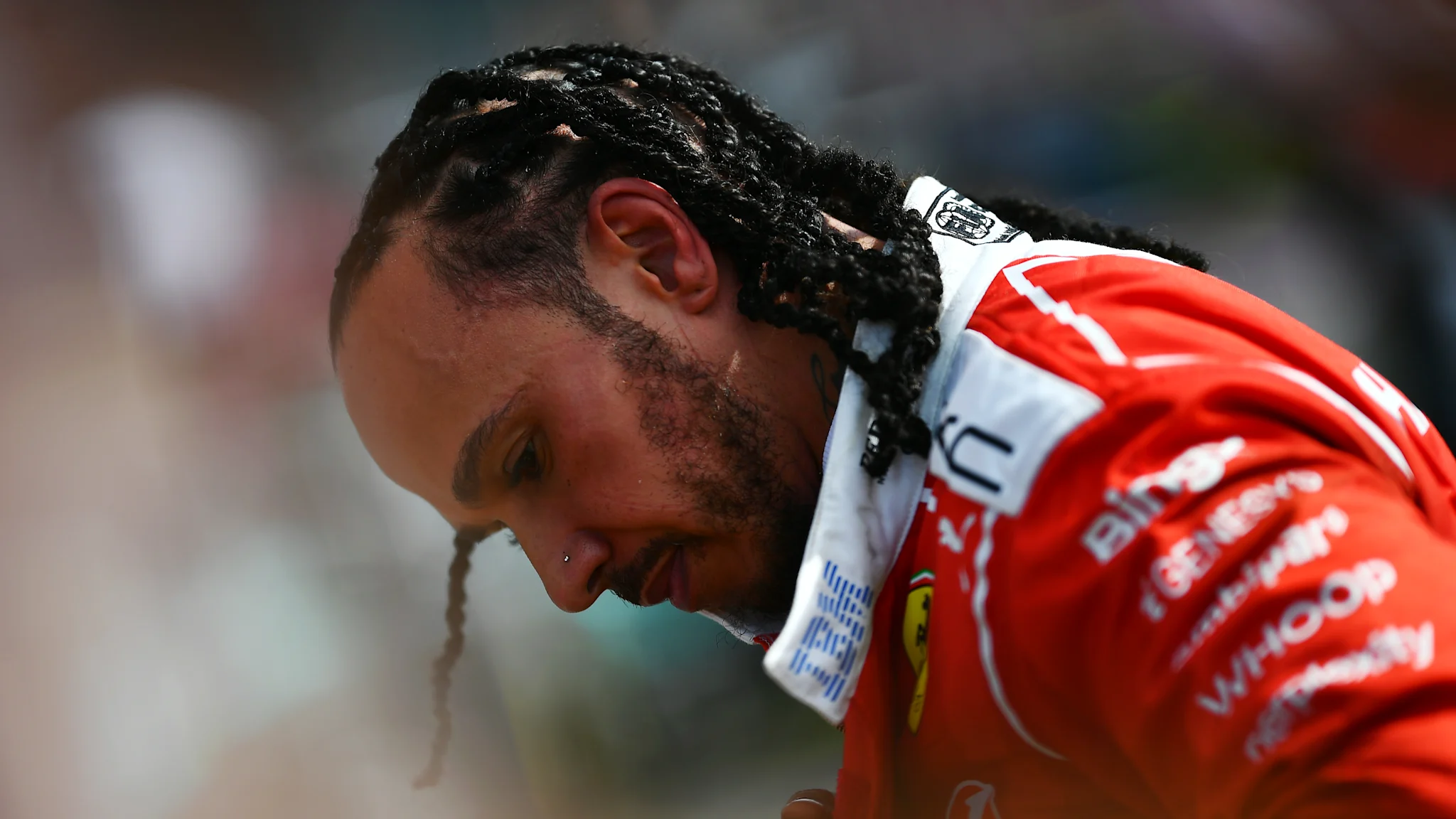
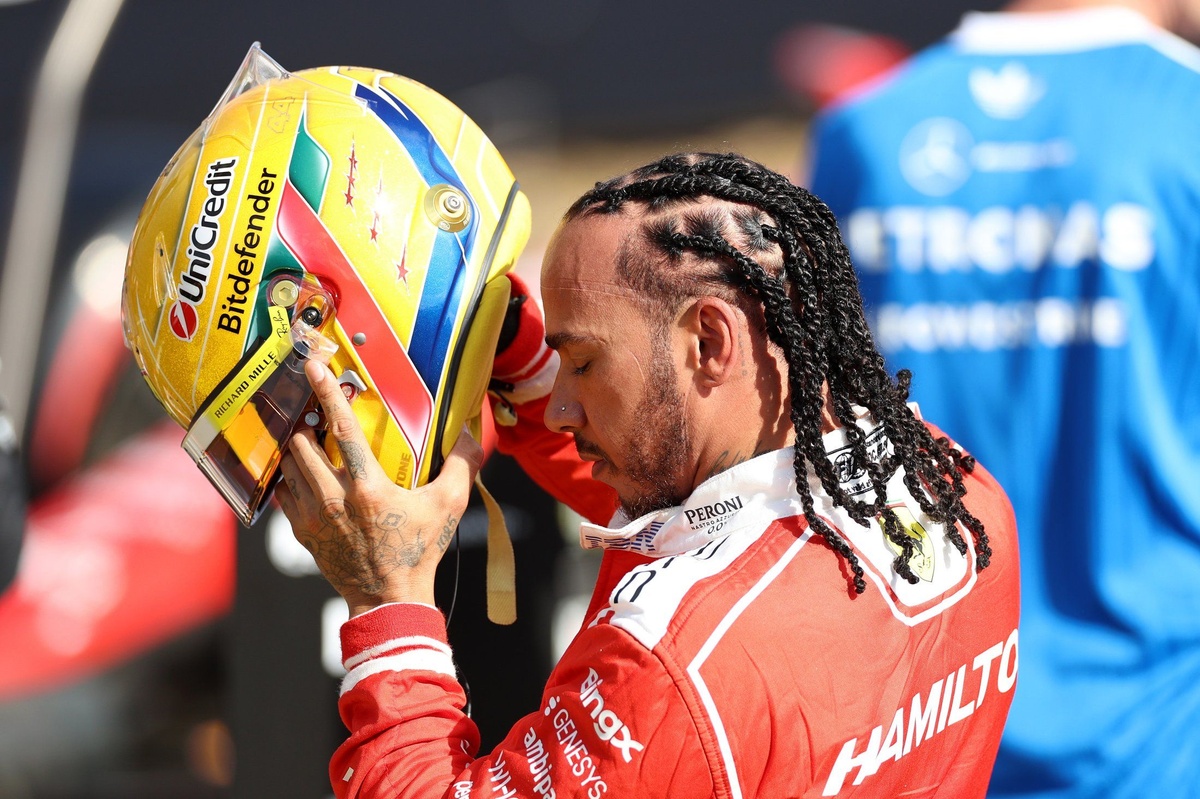
The British Grand Prix concluded with intense scrutiny on Lewis Hamilton’s third-place finish, stemming from a potential yellow flag infringement. Following the race, the Mercedes driver was summoned by stewards to address his conduct during a period requiring reduced speeds. This investigation underscores Formula 1’s stringent application of safety signaling protocols, where driver adherence is paramount.
The stewards’ decision to issue a reprimand, rather than a time penalty, proved critical in maintaining the race’s provisional classification and allowing Hamilton to retain his podium position. This outcome highlights the complexity of on-track officiating.
Operational Context: Penalties and Strategic Adjustments
Hamilton’s race was significantly impacted by a pre-existing five-second time penalty for a false start, served during his initial pit stop. This penalty reshaped his strategic approach and intensified his efforts to recover positions throughout the mid-race. The subsequent yellow flag investigation introduced further uncertainty regarding his final standing, illustrating the intricate interplay of driver error, team strategy, and regulatory compliance in high-stakes motorsport.
Safety Car Dynamics and Tactical Divergence
A pivotal late-race Safety Car period created a strategic divergence between teammates Lewis Hamilton and George Russell. Russell remained on track, while Hamilton pitted, resulting in a loss of track position. This tactical choice, influenced by race management considerations, ultimately affected Hamilton’s potential to challenge for a higher podium finish and exemplifies the volatile decision-making inherent in modern Formula 1 racing.
Steward Discretion and Institutional Precedent
The final ruling—a reprimand instead of a time penalty—demonstrates nuanced steward discretion. By weighing the infringement’s severity against the specific race context, officials upheld competition integrity while acknowledging the challenging environment of high-speed racing. Such decisions have significant implications for championship standings, as consistent application of regulations is vital for perceived fairness and competitive balance.
Competitive Impact and Season Trajectory
Hamilton’s retention of third place, despite both a false start penalty and a yellow flag investigation, underscores the importance of effective damage limitation. His post-race comments reflect an understanding of the transparency expected during administrative reviews. As the season progresses, the cumulative effect of such minor infringements and regulatory interpretations will continue to shape team strategies and influence overall championship outcomes, with Silverstone serving as a salient case study.