The Mechanics of Controlled Exposure: Inverting Celebrity Event Norms
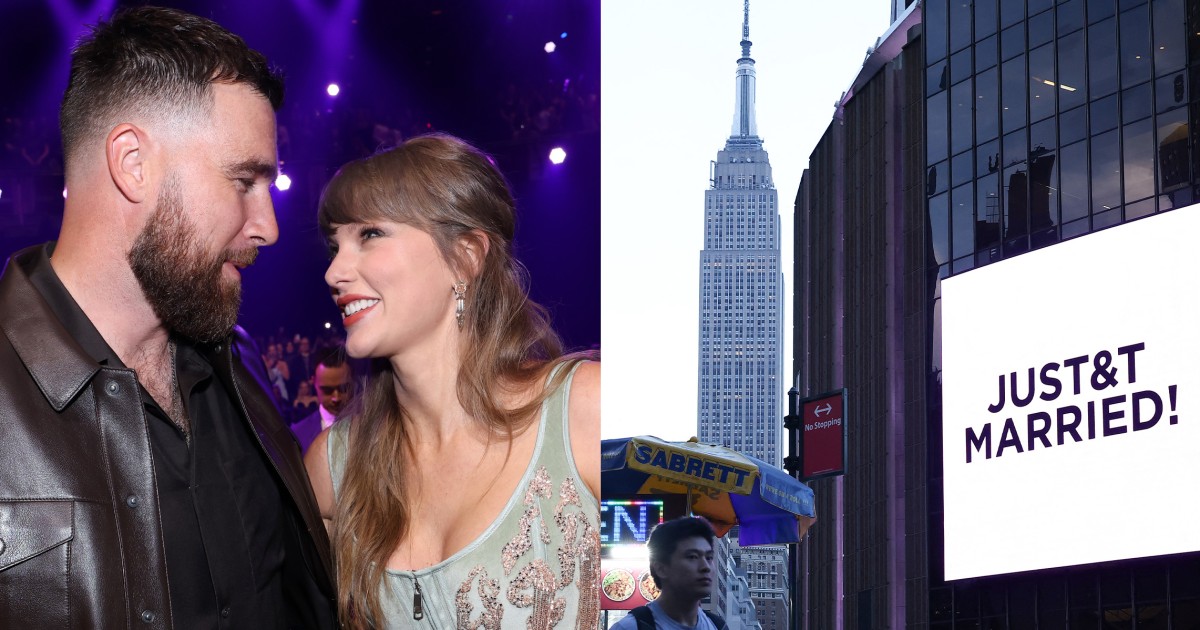
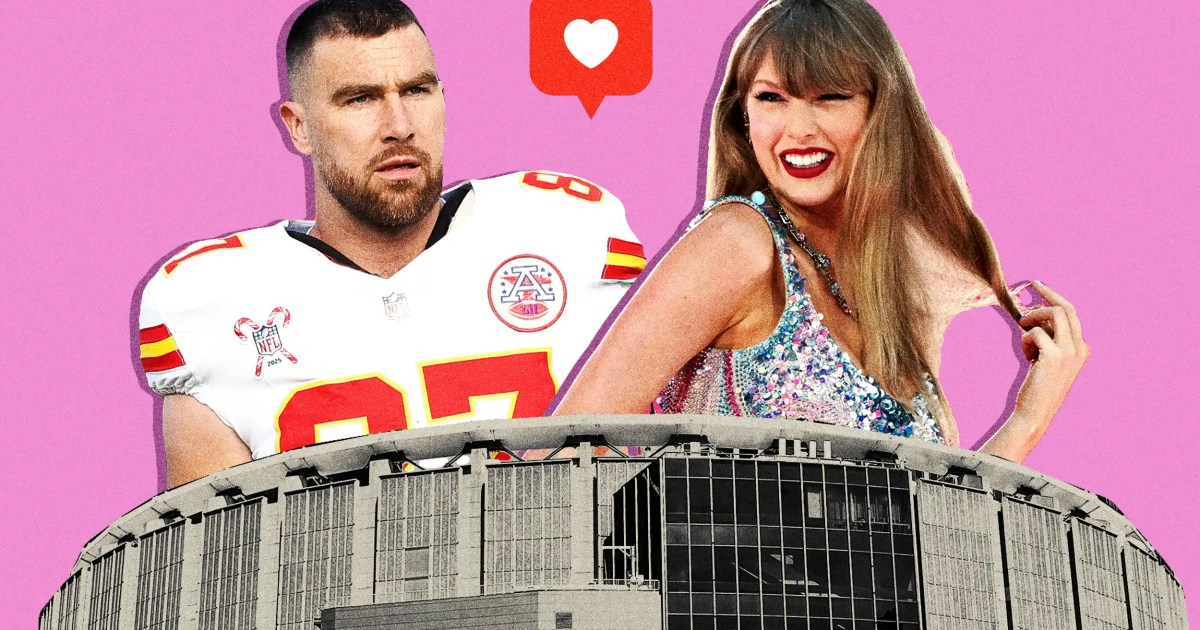
The marriage of Taylor Swift and Travis Kelce at Madison Square Garden signifies a profound evolution in managing high-profile celebrity assets. By choosing an iconic, high-capacity public venue for a private ceremony, the couple strategically inverted the traditional celebrity wedding model, which typically relies on remote seclusion or exclusive media licensing for control.
The implementation of stringent non-disclosure agreements and extensive physical security measures, including specialized tenting, demonstrates a deliberate strategy for total information control. This approach is designed to prevent unauthorized visual assets from entering the public domain, thereby safeguarding the commercial and personal value of the event’s imagery for the principals.
Operational Logistics and Urban Infrastructure Integration
The extensive street closures in Manhattan during a peak holiday weekend underscore the complex logistical orchestration required for such a high-stakes event within a dense urban landscape. These closures necessitate high-level collaboration with municipal authorities, illustrating the critical intersection of private celebrity interests and public infrastructure management.
Madison Square Garden, a venue optimized for large-scale entertainment and sports, was likely selected for its established operational efficiency and security infrastructure. Utilizing a professional, controlled environment mitigated many unpredictable variables inherent in traditional luxury wedding venues.
The Role of Curated Institutional Endorsement
The selection of Adam Sandler as officiant and Christian Dior for bridal and groom attire points to a meticulously curated aesthetic and social narrative. These choices strategically reinforce the individuals’ cultural positioning within the global entertainment and sports industries, aligning with their established brand identities.
The formal roles assigned to Austin Swift and Jason Kelce highlight the emphasis on familial continuity within the public branding of both individuals. Integrating family members into the ceremony’s core reinforces a narrative of personal stability, a vital component of their respective public personas.
Strategic Implications of Disciplined Media Management
The reliance on a singular, centralized publicist to disseminate verified details post-event reflects a highly disciplined approach to media relations. By controlling the timing of information release, the couple effectively managed the news cycle, ensuring initial public reception aligned with their curated narrative.
This methodology starkly contrasts with conventional celebrity media narratives, which are often susceptible to leaks and speculative reporting. The success of this strategy indicates a prioritization of brand equity preservation over immediate, uncontrolled public attention.
Market Dominance and Industry Positioning Benchmark
This event serves as a compelling case study on the potent influence of individual celebrity to command significant infrastructure and public space. Securing Madison Square Garden for a private function underscores the unparalleled market leverage possessed by figures of this magnitude.
For stakeholders in the entertainment and sports sectors, the Swift-Kelce wedding establishes a benchmark for executing private milestones with maximal security and minimal reputational risk. It signals a trend toward a more hermetic celebrity model, where the boundary between public performance and private life is rigorously maintained through sophisticated operational protocols.
Long-Term Reputational Capital Management
The strategic decision to permit select guest accounts to share impressions on social media facilitates a controlled release of attendee sentiment. This approach offers a curated sense of intimacy to the public while preserving the overarching privacy of the event’s core proceedings.
Ultimately, the Swift-Kelce nuptials underscore that in an era of pervasive digital surveillance, the most effective high-profile event management involves the application of corporate-level security and communication strategies. The implications for future celebrity gatherings are clear: the era of the accessible, publicly-facing wedding is being supplanted by the era of the managed, secure, and highly exclusive spectacle.