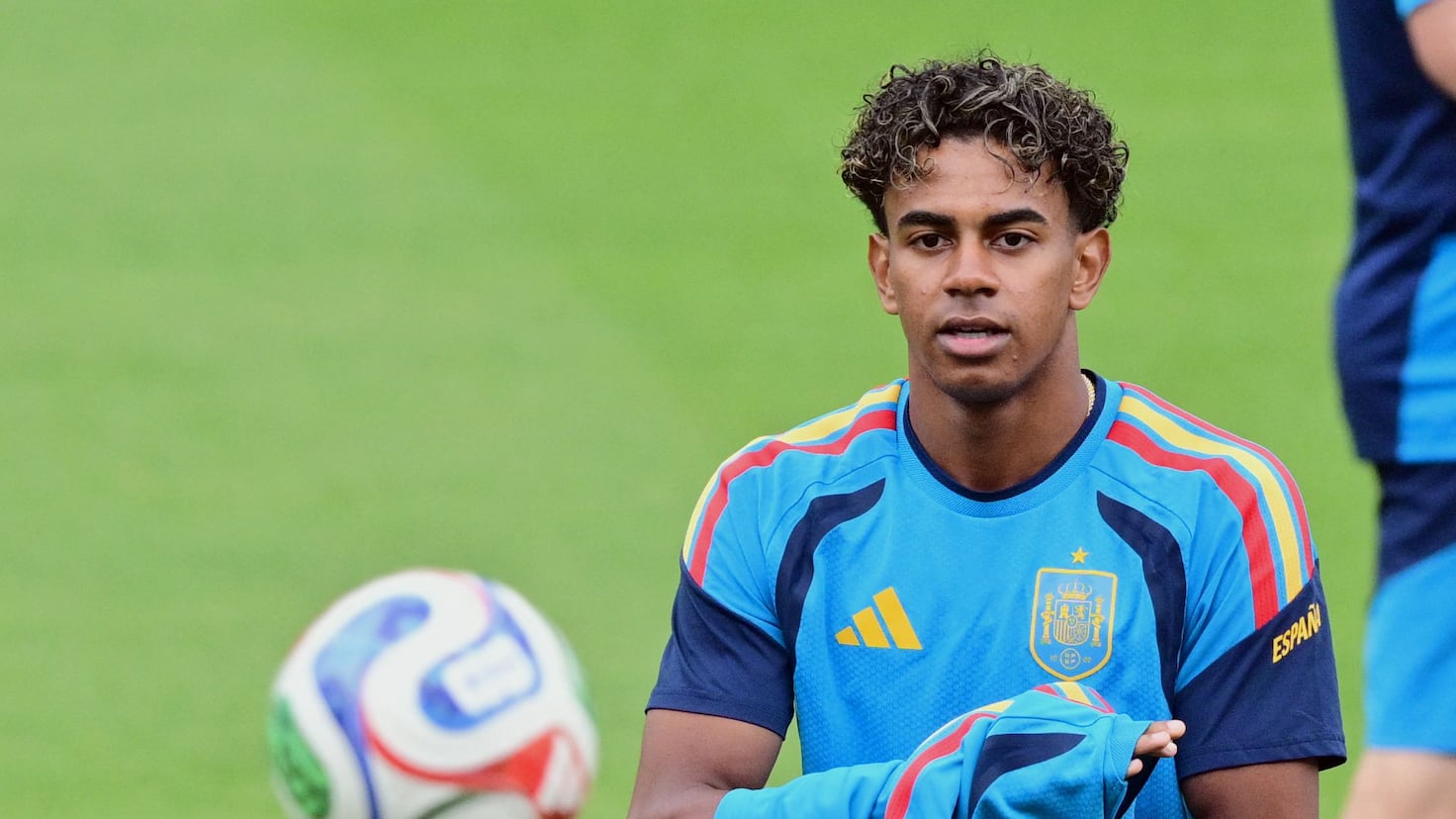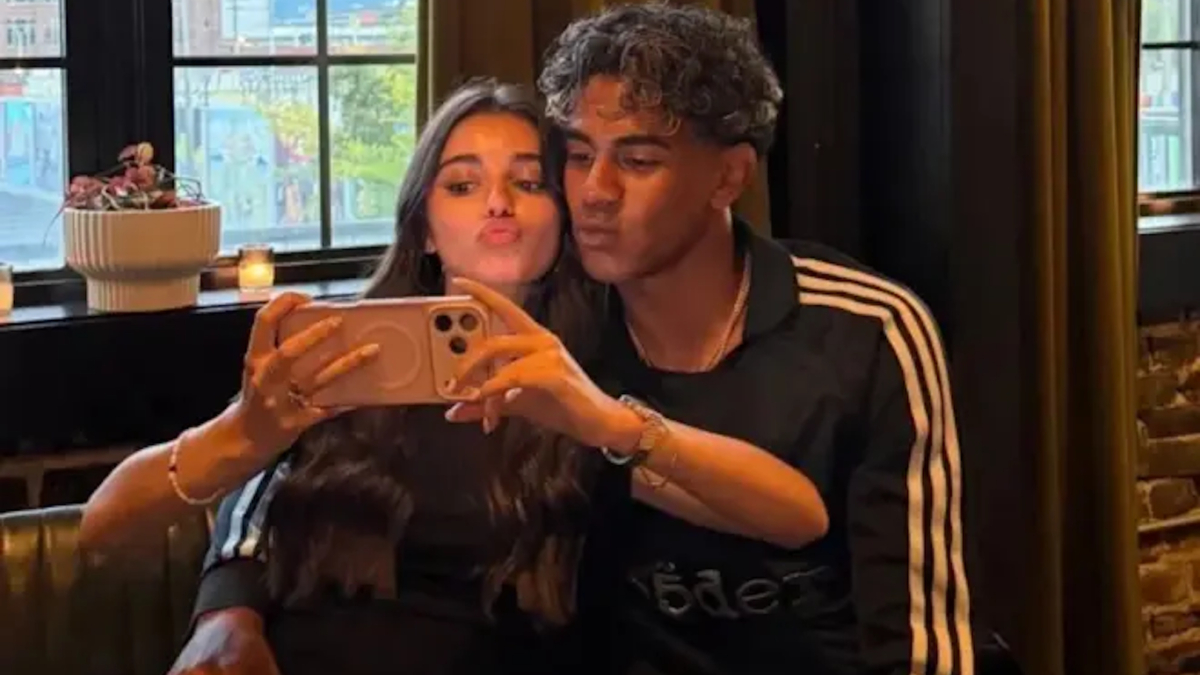
The public alignment of Lamine Yamal and Inés García represents a sophisticated convergence of elite athletic output and digital-native influence. Within the high-stakes commercial ecosystem of the 2026 World Cup, this relationship transcends personal association, functioning instead as a curated multi-platform brand strategy. By integrating García—a prominent Seville-based influencer—into Yamal’s public-facing persona, the partnership targets a diversified demographic, bridging the gap between traditional sports audiences and the lifestyle-driven attention economy.
Strategic Narrative Agency and Digital Authenticity
The transition from speculative tabloid discourse to controlled social media disclosure reflects a pivot toward direct-to-consumer narrative ownership. García’s active role in clarifying their origins—favoring digital transparency over organic myth-making—serves to insulate the athlete from disruptive external noise. This methodology secures the ‘first-mover advantage’ in storytelling, ensuring that the couple’s public image remains a verified asset rather than a liability subject to third-party interpretation.
For Yamal, the synchronization of this disclosure with professional milestones, such as La Liga celebrations, suggests a deliberate institutional framework. By providing a sanctioned narrative during peak visibility windows, his management mitigates the risk of invasive media cycles, allowing the athlete to maintain a primary focus on on-pitch performance while satisfying the modern market’s demand for personal authenticity.
The Halo Effect: Cross-Industry Commercial Reciprocity
The association creates a symbiotic commercial loop, often referred to as the ‘halo effect.’ García’s professional expansion into the international sports-adjacent fashion sector is directly accelerated by Yamal’s global reach. Conversely, García provides Yamal with a conduit to the lifestyle and fashion markets, sectors where traditional football stars often struggle to achieve organic penetration. This synergy enables brands to leverage dual-platform campaigns that maximize ROI by tapping into overlapping yet distinct consumer bases.
García’s presence in Los Angeles during the tournament is strategically positioned as a professional engagement rather than a peripheral accompaniment. Her visibility at high-profile venues reinforces her standing as a lifestyle authority, effectively converting the World Cup’s massive viewership into actionable brand equity for her independent ventures.
Institutional Stability and Performance Infrastructure
From an organizational perspective, FC Barcelona’s formal inclusion of García in end-of-season functions signals an institutional recognition of her role within Yamal’s professional support system. In the context of the 2026 World Cup, where psychological resilience is as critical as physical conditioning, a stable personal environment acts as a performance buffer. This integration reflects a modern scouting and player-care philosophy that values social stability as a prerequisite for sustained high-level output.
The Post-WAG Paradigm: Collaborative Brand Entities
The Yamal-García model signifies the death of the traditional ‘WAG’ stereotype, replacing it with a framework of collaborative professional entities. In this contemporary setting, both parties operate as independent commercial engines whose value is mutually enhanced through strategic association. This evolution aligns with 2026 market trends where transparency, digital competence, and professionalized personal narratives are the primary currencies of influence. For Yamal and García, this alignment provides a robust foundation for long-term commercial viability that is decoupled from the ephemeral nature of single-match results.