Eaglet’s Fall Amplifies Conservation Messaging and Livestreaming Dynamics
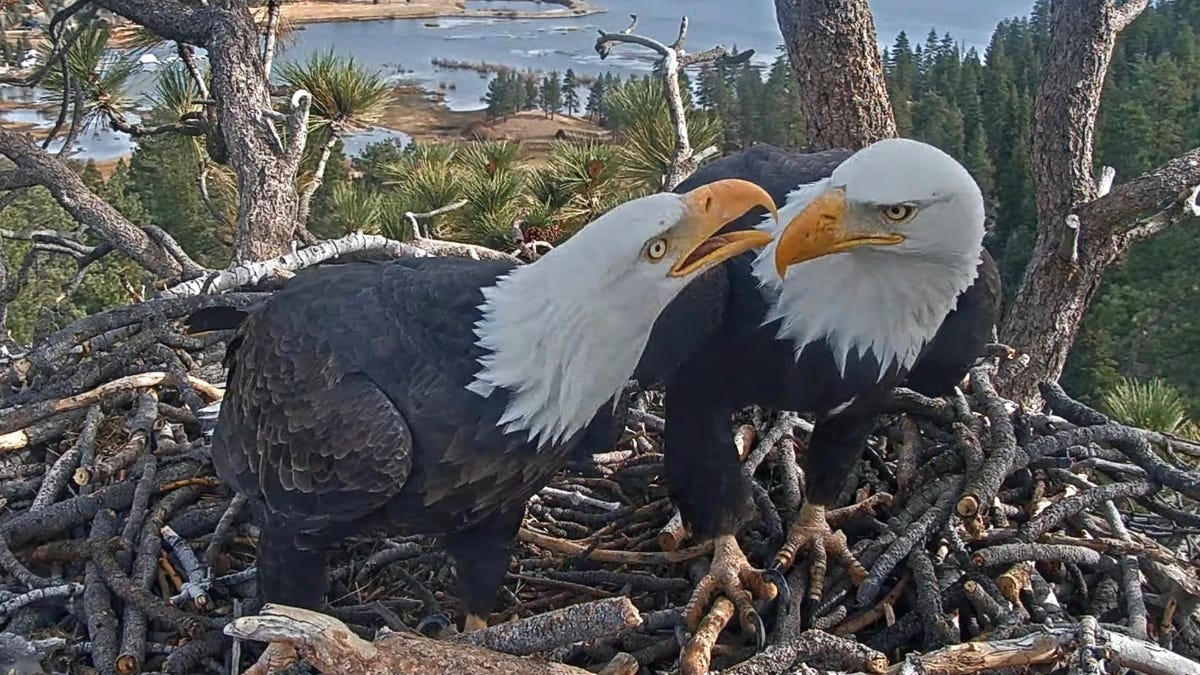
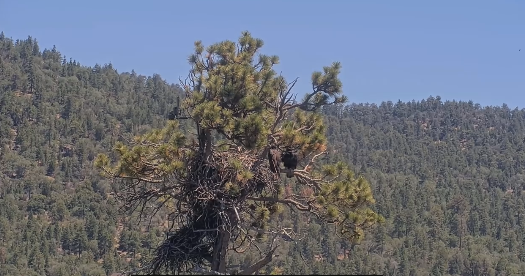
The recent fall of a young bald eagle, Sandy, from its Big Bear, California nest, livestreamed by Friends of Big Bear Valley, has captivated public attention. This event underscores the inherent risks in wildlife development and the complex role of real-time digital observation in conservation, balancing educational value with audience emotional impact.
The eaglet’s fall from its nest, witnessed by thousands, highlights the unedited nature of wildlife observation and its immediate effect on viewers. This provides a unique challenge for monitoring organizations, requiring careful management of sensitive content and its educational presentation.
Stakeholder Perspectives and Risk Perception
Friends of Big Bear Valley, a wildlife preservation group, framed the incident positively, confirming the eaglet’s subsequent flight and survival via security footage. Their communication strategy aims to reassure the public and contextualize the event as a natural, albeit stressful, part of a young eagle’s development, emphasizing natural behaviors like fledging and flight initiation.
This framing allows the organization to leverage the event for broader conservation messaging, reinforcing the need for habitat protection and reduced human interference by presenting the fall as a natural developmental risk. Viewer reactions, observed across social media, demonstrate a spectrum of concern and understanding, indicating heightened public investment in the species’ welfare and its ecosystem.
Operational and Financial Implications for Conservation Groups
Managing live wildlife streams presents significant operational challenges for conservation organizations. Maintaining continuous, high-quality feeds requires robust technical infrastructure and expertise. Responding to unforeseen events, such as the eaglet’s fall, demands rapid assessment, evidence gathering (e.g., security camera footage), and prompt, accurate information dissemination.
The financial aspect is also considerable. While streaming technology can be cost-effective for engagement, the overall costs include operational overhead, potential increased staff or volunteer time during critical events, and investment in advanced monitoring equipment. These factors contribute to the sustained cost of public-facing conservation initiatives.
Strategic Engagement Through Livestream Narratives
The widespread viewership of the eaglet’s fall offers Friends of Big Bear Valley a potent opportunity to amplify their conservation mission. Witnessing a young animal overcome adversity can foster strong public connections, potentially increasing donations, volunteer support, and advocacy for wildlife protection policies.
This event serves as a practical case study for livestreaming’s effectiveness in wildlife advocacy, showcasing how unscripted moments can capture public imagination and drive engagement beyond traditional media reach. The organization can strategically transform this moment of perceived crisis into a narrative of resilience and natural adaptation, solidifying its role as a trusted information source and wildlife steward.
Broader Impact on Wildlife Livestreaming and Conservation Ethics
The Big Bear eaglet incident reflects broader trends in conservation, where livestreaming democratizes access to natural phenomena. This heightened visibility, however, necessitates careful navigation of ethical considerations, ensuring that the pursuit of engagement does not compromise animal welfare or misrepresent natural events.
The competitive digital media landscape highlights the importance of charismatic species like bald eagles in attracting viewership. Successful livestreams can lead to partnerships, sponsorships, and expanded reach for conservation goals.
Regulatory and Ethical Considerations in Broadcast
While regulations for wildlife livestreams are evolving, the incident implicitly raises questions about best practices. The Friends of Big Bear Valley’s proactive communication and focus on the eaglet’s survival demonstrate an awareness of responsible content management. Clear communication is vital to counter potential misinterpretation or sensationalism, maintaining scientific integrity and preventing misinformation.
The long-term impact on public perception of wildlife risk requires careful framing. While fostering empathy, repeated exposure to dramatic events could lead to desensitization or a skewed understanding of actual threats, necessitating consistent educational context.
Technological Integration in Conservation Advocacy
The reliance on livestream technology and security cameras is pivotal for monitoring, research, and public awareness. These tools enable immediate documentation and dissemination of critical events, as exemplified by the Friends of Big Bear Valley’s handling of the eaglet’s experience.
This technological adoption positions conservation organizations at the forefront of digital advocacy. Effective platform utilization can influence funding, attract technological partnerships, and set industry standards for wildlife monitoring and public presentation.