Strategic Response to Kentucky Flash Flooding
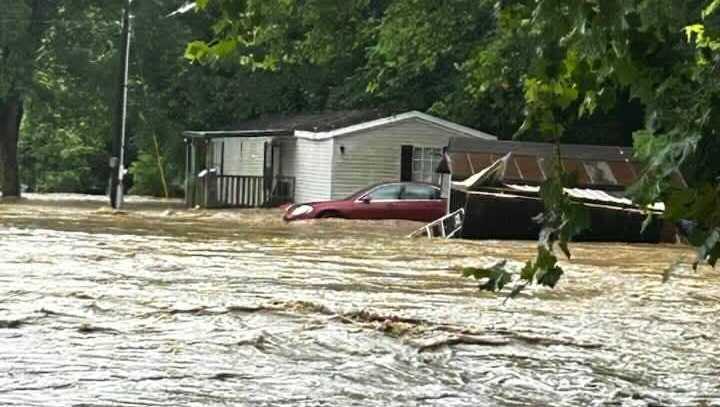
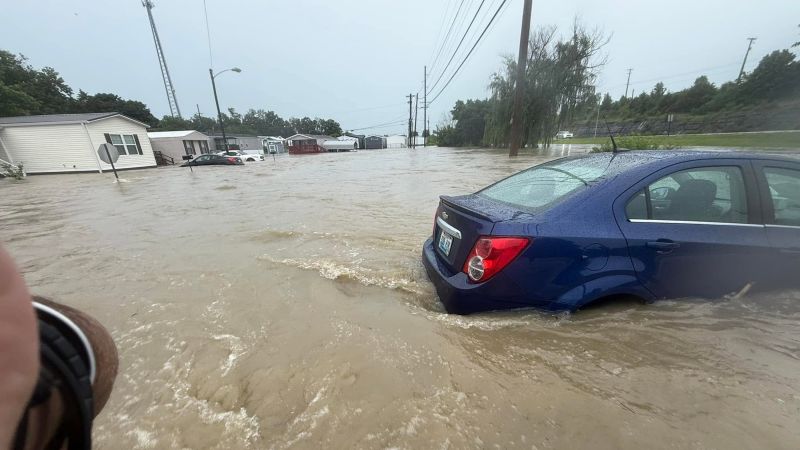
The Commonwealth of Kentucky has declared a state of emergency following catastrophic flash flooding that has resulted in at least four confirmed fatalities. Governor Andy Beshear’s declaration activates a centralized coordination framework, mobilizing specialized search and rescue teams across affected jurisdictions to mitigate threats to life and property.
Casualties have been confirmed in Jackson and Madison counties, underscoring the lethal risks posed by rapid hydrological shifts. These incidents—involving residents trapped in structures and motorists overwhelmed by rising currents—highlight the vulnerability of local topography to extreme precipitation events.
Operational Challenges and Infrastructure Resilience
Emergency management is currently balancing active rescue mandates with the instability of critical infrastructure. In Bullitt County, officials have clarified that a landslide affecting the Rod and Gun Club dam embankment, rather than a structural breach, prompted initial safety concerns. This technical distinction remains vital for calibrating evacuation orders and engineering resource allocation.
Economic and Systemic Implications
The recurrence of severe flooding events in Kentucky underscores a persistent environmental stressor that strains municipal and state fiscal frameworks. These disasters necessitate a transition from reactive emergency management to proactive, long-term mitigation strategies. Current directives, such as the evacuation of Cedar Springs Drive in Lebanon Junction, reflect an increasingly risk-averse operational posture designed to minimize further loss of life during periods of structural flux.
Crisis Coordination and Public Safety Protocols
Governor Beshear’s mandate to restrict night-time vehicular travel functions as a tactical measure to reduce the burden on search and rescue services amidst compromised visibility. With a secondary wave of precipitation forecasted, emergency management agencies are prioritizing operational readiness and damage assessment across multiple counties, including Meade, Mercer, and Spencer.
Long-Term Structural Considerations
The frequency of these weather cycles highlights the urgent need for a rigorous assessment of Kentucky’s aging infrastructure. Sustained capital investment in embankments and drainage systems is now essential to reinforce regional resilience. As the state moves beyond the immediate response phase, data gathered during this crisis will serve as a baseline for future policy, informing building codes and land-use regulations to better withstand shifting environmental conditions.