The Convergence of Political Commentary and Corporate Governance
The conclusion of Stephen Colbert’s tenure on The Late Show provides a critical case study in the tension between talent-led political discourse and the institutional mandates of media conglomerates. By utilizing high-profile cameos to anchor his final weeks, Colbert maximized cultural relevance, yet these segments also underscored the precarious nature of maintaining editorial independence within a corporate-owned broadcast framework.
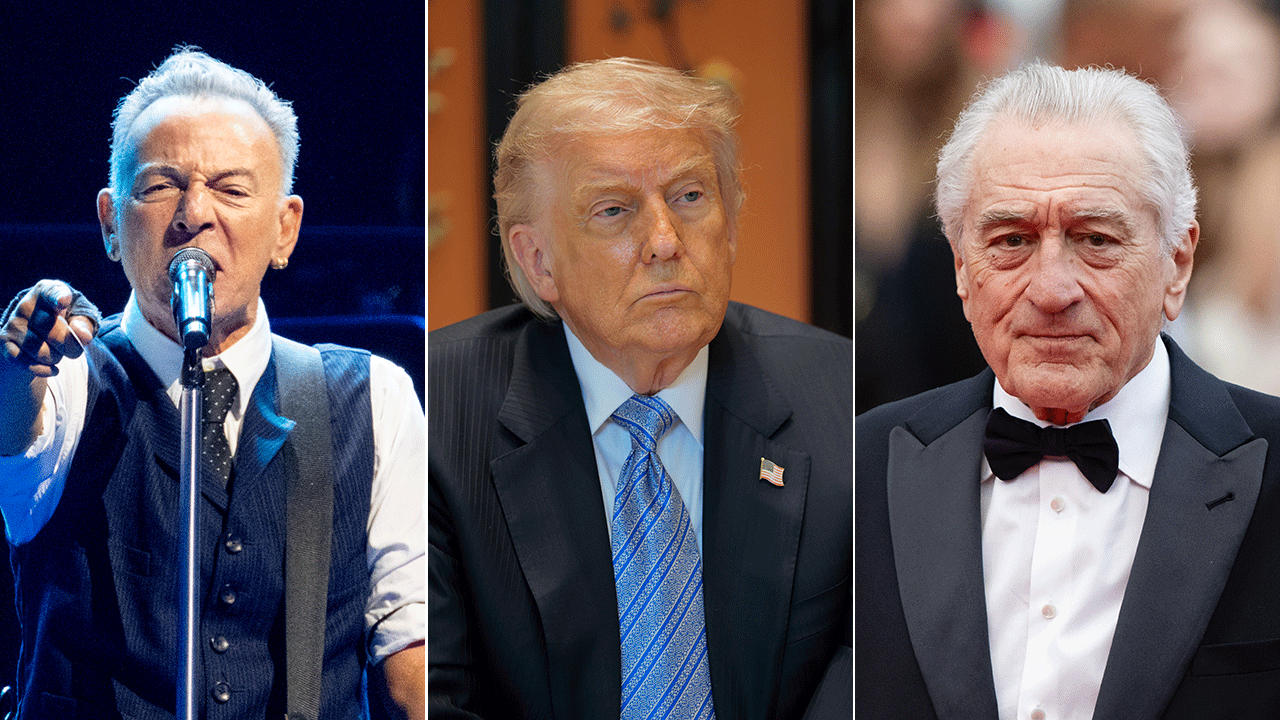
The vocal criticisms directed at the political establishment by guests like Robert De Niro and Bruce Springsteen demonstrate the persistent utility of late-night talk shows as forums for dissent. However, this positioning creates distinct reputational and operational risks for networks like Paramount, which must navigate increasingly polarized viewer demographics while maintaining profitability.
The Strategic Leverage of Celebrity Activism
Celebrity input during the final episodes—specifically regarding network management and editorial direction—exposes the friction between creative freedom and executive control. When performers leverage their platform to challenge corporate leadership, they force media conglomerates to weigh the value of viral engagement against the risks of institutional instability. Narratives surrounding perceived political interference suggest that financial austerity in media often masks deeper ideological disagreements regarding a network’s long-term editorial identity.
Economic Realities and Audience Fragmentation
The reliance on celebrity cameos is a calculated tactic to generate viral moments, a performance metric that has become essential as traditional broadcast viewership declines. This strategy reflects a shift in late-night programming: transitioning from consistent linear viewing to a model dependent on fragmented, social-media-driven content. For legacy broadcasters, this shift necessitates a rigorous re-evaluation of the cost-benefit analysis behind high-budget, personality-driven talk show formats.
Institutional Positioning and the Blurring of Genres
The involvement of figures like John Dickerson during the finale highlights a broader trend toward the conflation of entertainment and journalistic authority. As satirical commentary increasingly adopts the gravitas of investigative reporting, media organizations face the complex challenge of maintaining corporate neutrality while preserving the brand appeal of their talent. This ambiguity necessitates a delicate governance strategy that manages audience expectations without compromising institutional credibility.
Future Outlook for Broadcast Media
The scrutiny surrounding The Late Show’s conclusion signals a period of systemic re-evaluation for the industry. As media conglomerates adapt to an era defined by audience polarization and platform competition, the future of the late-night genre remains tied to its ability to offer either distinct niche political engagement or broad-appeal entertainment. The transition observed in these final episodes serves as a bellwether for how legacy institutions will reconcile creative autonomy with the shifting demands of a modern media economy.