Record NBA Playoff Viewership: A Confluence of Strategic Media and Evolving On-Court Dynamics
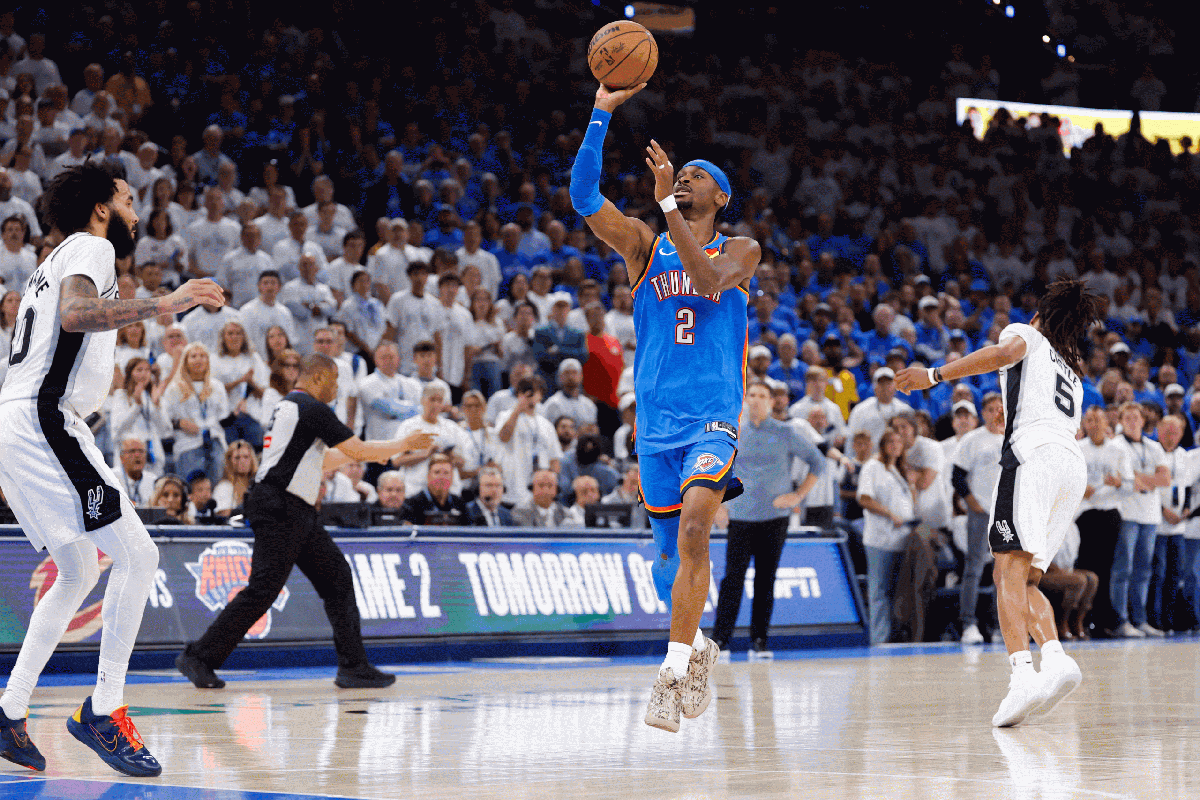
The recent Western Conference Finals series, specifically Game 1 and Game 2 between the Spurs and the Thunder, has illuminated a critical intersection of sports business and competitive strategy. Record-breaking NBA playoff viewership figures are not merely coincidental but a direct outcome of both sophisticated media distribution strategies and the dynamic, often physically intense, on-court adaptations teams employ. This series exemplified how fluid, skill-centric displays (Game 1) quickly give way to more confrontational, tactically physical approaches (Game 2), profoundly shaping both audience engagement and the league’s economic leverage.
Tactical Evolution: From Skill-Centricity to Strategic Physicality
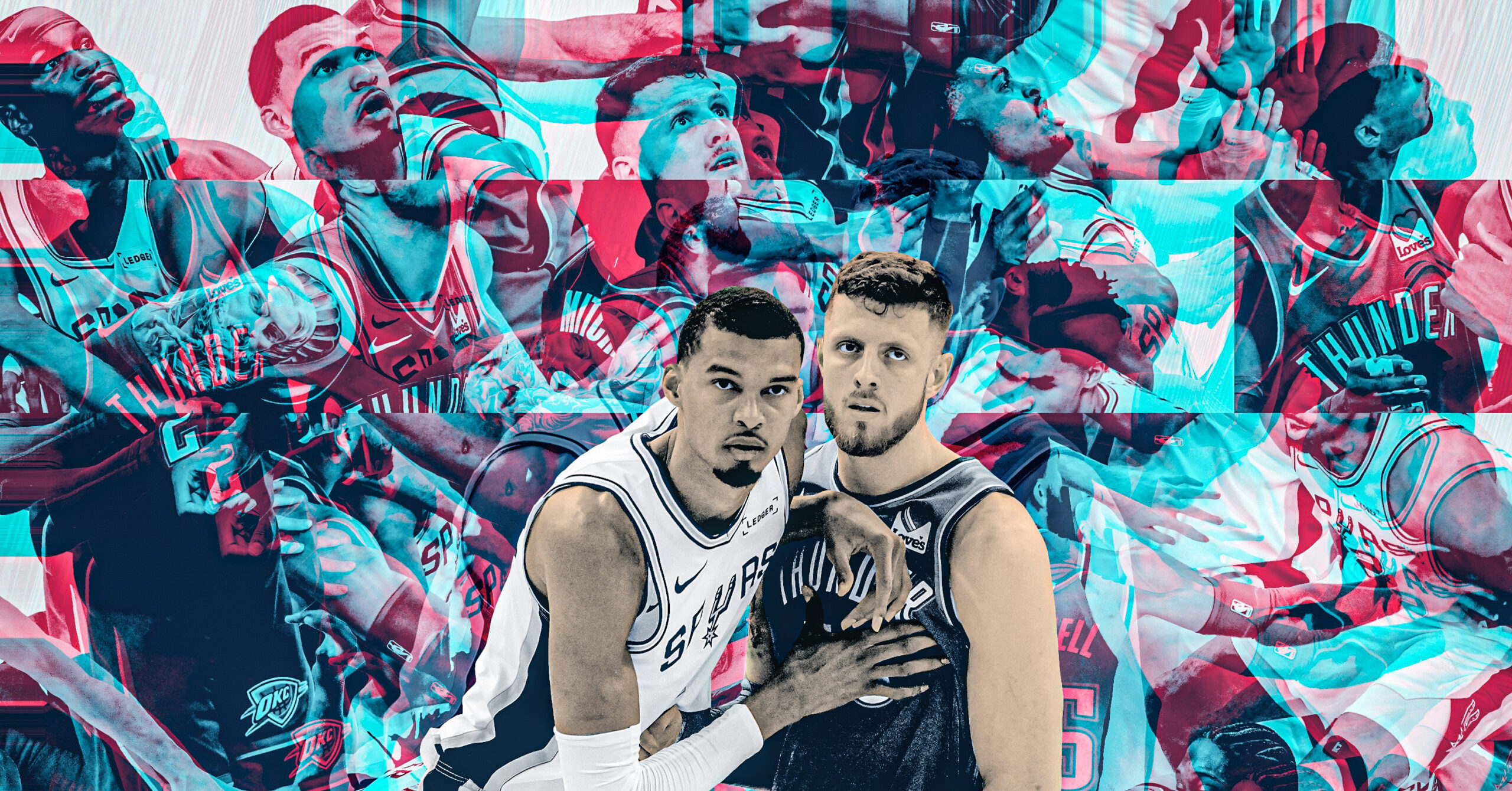
The immediate shift observed from Game 1’s “gleaming transmission from the future” to Game 2’s assertion of traditional competitive levers underscores the iterative nature of playoff basketball. The Thunder’s strategic deployment of Isaiah Hartenstein with increased minutes and overt physicality was a direct counter-measure designed to disrupt Victor Wembanyama’s rhythm and neutralize his unique advantages. Tactics previously likened to offensive and defensive line play in the NFL were strategically introduced to transform the game’s physical parameters, forcing opponents to contend with a level of contact intended to break their offensive flow and defensive rotations.
Player Adaptation and Competitive Resilience
Elite athlete preparation, like Wembanyama’s specialized training focused on controlling a high center of gravity, signifies significant investment in performance enhancement. However, the competitive response, epitomized by Hartenstein’s targeted aggression, reveals the continuous challenge of translating specialized training into consistent dominance against determined opposition. While effective in achieving tactical objectives such as securing eight offensive rebounds, such aggressive play carries inherent risks, including player safety concerns and the potential for disrupting game integrity. Wembanyama’s prior ejection, stemming from a loss of composure under pressure, highlights the psychological toll these tactics exert and the fine line between competitive intensity and unsportsmanlike conduct.
Economic Leverage: Media Rights, Broadcast Strategy, and Audience Engagement
Beyond the on-court drama, the series generated substantial economic impact through media viewership. Game 1 achieved record-breaking audience figures for a conference finals opener, drawing a Total Audience Delivery of 9.2 million people and peaking at 12 million viewers during its second overtime. These statistics validate the league’s strategic decisions regarding media partnerships and content distribution. The NBA’s collaboration with NBC to televise more over-the-air games demonstrably broadened reach, maximizing audience exposure, enhancing brand value, and strengthening future media rights negotiating positions. This expansive engagement directly translates into increased financial leverage for the league, its teams, and players, driving advertising revenue, merchandise sales, and franchise valuations. Live sports, particularly critical playoff stages, remains a premium asset in a fragmented media landscape, offering unparalleled, guaranteed reach and viewer engagement.
Governing the Game: Integrity, Officiating, and Long-Term Implications
The intensified physicality witnessed in Game 2 raises crucial questions about institutional oversight and the consistent application of league rules. The NBA, as a governing body, must meticulously balance competitive intensity with player safety and the preservation of the game’s integrity and appeal. Vigilant officiating becomes paramount to ensure fair play, prevent escalation beyond acceptable boundaries, and uphold the league’s reputation. Incidents involving star players losing composure and facing ejection serve as critical junctures for reinforcing standards of conduct and officiating consistency. This continuous adjustment cycle in the playoffs, where teams constantly recalibrate strategies, increasingly intertwines with physical demands, influencing long-term player development pathways and team construction philosophies geared toward sustainable competitive advantage.
Specialized Journalism and the Evolving Fan Discourse
The dissemination of in-depth insights via platforms like The Athletic’s “The Bounce” newsletter exemplifies the crucial role of specialized sports journalism in shaping public understanding and fan engagement. These analytical digests provide nuanced context, feeding a sophisticated media ecosystem where fans demand detailed analysis of tactical adjustments and broader strategic narratives. The immediate feedback loop from media analysis can influence public perception and even subsequent officiating, forming a complex interplay with on-court action. The outcome of Game 2, an Oklahoma City victory that evened the series, reinforced that while future-oriented talent like Wembanyama is compelling, traditional competitive levers, including strategic physicality and disruption, remain potent forces for playoff success. The ongoing narrative of Wembanyama’s adaptation, metaphorically from Shaolin training to needing “sumo wrestlers” training, illustrates the continuous evolution required of elite athletes, reflecting the NBA’s broader challenge in balancing skill, athleticism, and physical intensity to captivate its massive global audience.