In the contemporary global economy, macroeconomic and geopolitical volatility has transitioned from a transient disruption to an enduring structural condition. Across critical sectors—from high-tech chemical manufacturing to international relations—institutions are moving beyond legacy reactive crisis mitigation. True systemic resilience is now an active operational architecture requiring the convergence of predictive technology, organizational psychology, and strategic soft power.
The Industrial Paradigm: Predictive AI and Reformulation Dynamics in Specialty Chemicals
Specialty chemicals manufacturing represents a highly vulnerable node in global supply networks, uniquely sensitive to feedstock volatility, trade barriers, and rapidly changing environmental regulations. Traditional product development relies on linear, empirical laboratory bench testing. When key active ingredients face supply chain shocks or sudden regulatory restrictions, this empirical trial-and-error methodology becomes a bottleneck, exposing firms to margin compression, high capital expenditure, and operational delays.
To defend margins and maintain service-level agreements, leading chemical manufacturers are shifting from physical experimentation to predictive artificial intelligence. By deploying machine learning models, research and development teams can simulate chemical properties and molecular interactions in silico. This computational approach allows researchers to evaluate trade-offs early in the design phase, reserving capital-intensive physical synthesis and quality-assurance testing exclusively for candidates with the highest probability of success.
This digital transformation redefines resilience from a passive logistics buffer into a dynamic product development capability. Accelerating the reformulation cycle allows chemical producers to absorb supply shocks and comply with stringent global regulatory mandates without sacrificing performance or driving up overhead costs. Organizations that integrate these predictive AI platforms secure a structural competitive advantage, converting regulatory compliance and ingredient volatility into opportunities for market share acquisition.
The Corporate Paradigm: Institutionalizing Adaptability and Leadership Psychology
While technology stabilizes physical supply chains, human systems require structured frameworks to manage organizational stress and strategic disruption. The growth of specialized advisory services—led by futurists and keynote speakers such as Scott Steinberg—reflects a broad corporate demand for institutionalized adaptability. Modern enterprises recognize that digital tools are only as effective as the human systems operating under high-velocity change.
Organizational resilience strategies draw on cognitive psychology, stress management, and tactical leadership frameworks to cultivate intellectual agility and psychological safety. Rather than treating disruption as an exogenous threat to continuity, these frameworks train executive teams to view volatility as a catalyst for strategic repositioning. By focusing on decisive action, cognitive flexibility, and clear communication, these methodologies insulate workforce productivity against structural anxiety and operational paralysis.
The strategic dividend of this psychological training is a measurable increase in decision-making velocity. When leadership teams possess the tools to manage cognitive load during market contractions, they are less susceptible to risk-averse inertia or impulsive, short-term strategic pivots. Ultimately, human capital resilience forms the foundational infrastructure necessary to execute complex technological and operational transitions during crises.
The Diplomatic Paradigm: Cultural Diplomacy and African Geopolitical Solidarity
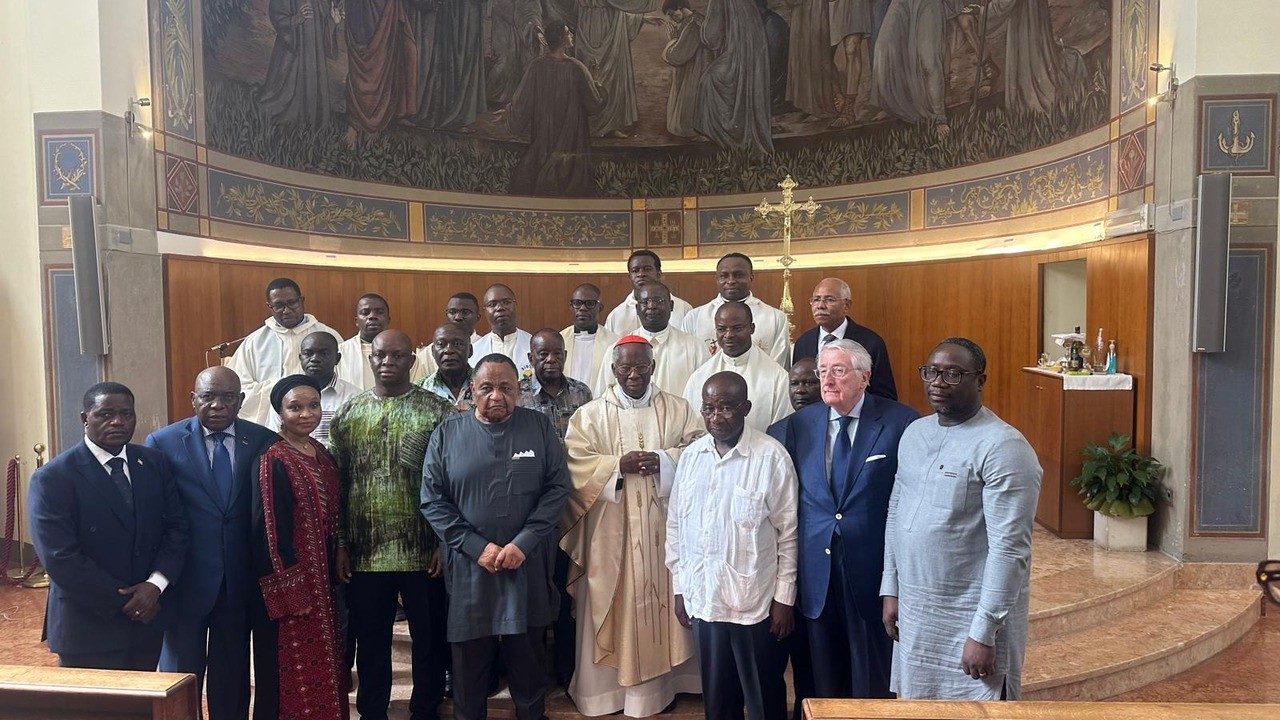
On the geopolitical stage, resilience manifests as the capacity of nations and cultural coalitions to project soft power and maintain diplomatic agency during structural crises. This dynamic was demonstrated in Rome during the Africa Day celebrations hosted by the resident African ambassadors accredited to the Holy See at Casa Bonus Pastor. The event illustrated how cultural diplomacy and shared history can foster multilateral solidarity in the face of complex regional challenges.
The proceedings commenced with a Holy Mass presided over by Cardinal Francis Arinze, Emeritus Prefect of the Congregation for Divine Worship and the Discipline of the Sacraments. In his homily, the Nigerian-born Cardinal addressed the critical systemic challenges confronting parts of the African continent—including armed conflict, food insecurity, economic instability, and security deficits. His address framed peace, ethical governance, and pan-African fraternity as the essential structural pillars required to drive long-term regional development and recovery.
Following the liturgical service, the summit transitioned to an exhibition of art and culinary traditions representing the 16 member nations of the African ambassadorial group. By projecting their diverse cultural heritage in Rome, this diplomatic coalition utilized soft power to keep continental priorities on the global humanitarian and political agenda. The Holy See serves as a unique multilateral platform, enabling smaller or developing nations to construct international coalitions, advocate for developmental aid, and advance diplomatic solutions to complex geopolitical crises.
A Unified Framework for Global Systems
A comparative analysis of specialty chemicals, corporate advisory, and international diplomacy reveals a universal structural imperative: organizations must navigate high-constraint environments without sacrificing core functionality. Each sector demonstrates that resilience is an active, structured process of deliberate adaptation rather than passive survival.
Industrial AI manages molecular complexity under tight regulatory and economic constraints; corporate leadership frameworks prepare human capital to make rapid decisions under high stress; and cultural diplomacy leverages shared values to preserve geopolitical agency amid systemic instability. Organizations and nations that integrate these technological, psychological, and diplomatic dimensions of resilience will successfully navigate the complexities of an increasingly volatile global landscape, while those relying on legacy, static frameworks face escalating vulnerability.