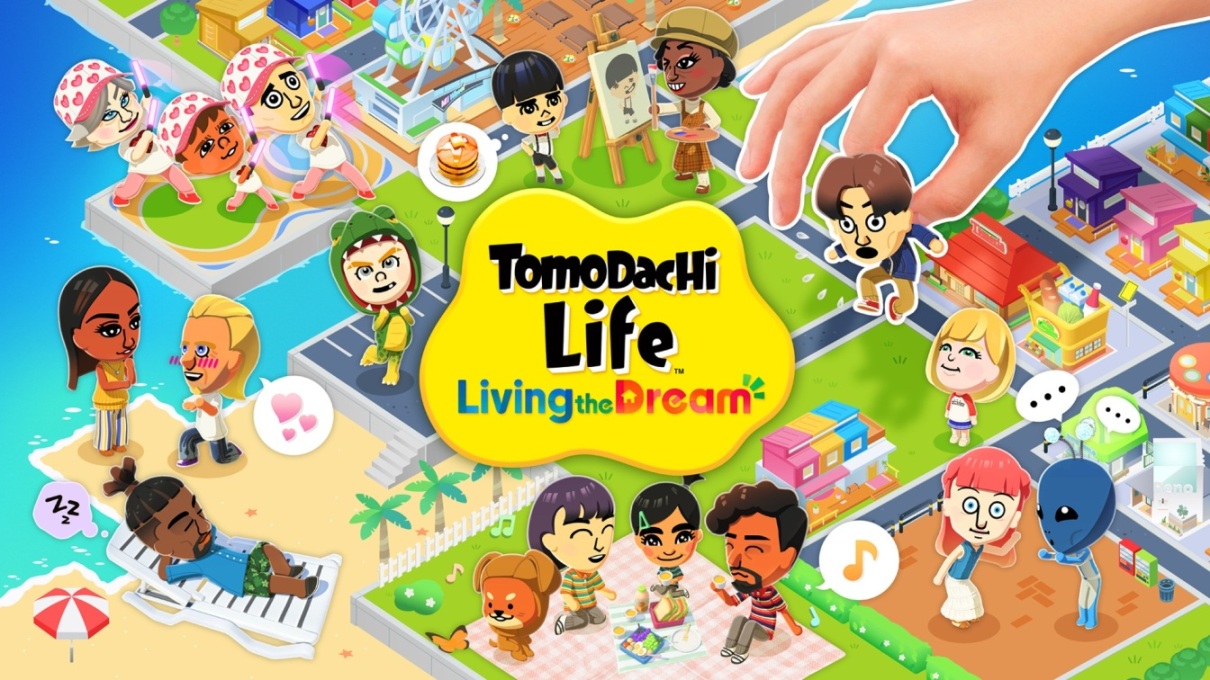
Tomodachi Life 1.0.3: Nintendo Fortifies Game Stability and Content Governance
Nintendo has deployed version 1.0.3 for Tomodachi Life: Living the Dream, an update strategically enhancing core game stability and refining user experience. Released on June 25, 2026, this patch signifies Nintendo’s proactive commitment to rigorous product lifecycle management and the sustained operational integrity of its software titles. Beyond crucial technical rectifications, the update introduces significant policy adjustments to local play functionality, underscoring an evolving approach to content governance within the Nintendo ecosystem.
Enhancing Core Game Stability and Player Progression
The 1.0.3 update meticulously addresses several critical issues that previously hindered gameplay progression and compromised data accuracy, areas paramount for player engagement and trust.
Resolving Progression Blockers: State Management and Timing Sensitivity
A primary focus of the patch is the rectification of a specific bug where game progression was halted if a player attempted to interact with a Mii character from the Mii List precisely as that character entered or exited the Ferris wheel. This issue, while appearing contextual, represents a critical failure point in the game’s intricate state management logic. Such timing-sensitive bugs are particularly challenging to diagnose and reproduce, requiring sophisticated quality assurance (QA) protocols. Their resolution is vital for preserving the seamless flow of player interaction, preventing frustration, and ensuring the core simulation mechanics function as intended, thereby upholding the game’s foundational playability.
Ensuring Economic and Systemic Data Integrity
Another significant fix targets a rare occurrence where an in-game money reception issue prevented the amount from displaying properly, subsequently blocking game progression. This addresses a fundamental aspect of in-game economics: data integrity. Even in a simulated environment, accurate financial representation is crucial for maintaining player trust in the system’s fairness and reliability. Discrepancies, however infrequent, can erode player confidence and create perceptions of systemic instability, impacting long-term player retention. Nintendo’s prompt resolution of such a core system bug reinforces its dedication to a transparent and trustworthy in-game environment, vital for the enduring appeal of its life simulation titles.
Improving Gameplay Stability and User Experience
The update also rectifies an issue where repeatedly raising a Mii character’s satisfaction level could, on rare occasions, trigger an error and cause the game to close. Unexpected game closures are among the most disruptive events to user immersion, potentially leading to loss of unsaved progress and significant player frustration. This bug directly undermined a central engagement loop of Tomodachi Life, where nurturing Mii characters is designed to be a continuous and rewarding activity. Addressing such stability vulnerabilities is critical for preserving the game’s intended interactive patterns and ensuring a seamless, uninterrupted user experience, thereby reinforcing player loyalty.
Furthermore, the patch corrects an issue where the number of days after Mii characters became sweethearts or married could display incorrectly. In life simulation games, the accurate representation of relationship timelines and persistent data is fundamental to a player’s emotional investment in their virtual world. Inaccuracies in such narrative-critical data points can diminish the sense of progression and personal connection players develop with their Mii characters. The meticulous correction of these details reflects an understanding of the psychological contract between player and game, where data integrity underpins the entire simulated reality and fosters deeper engagement.
Finally, the update addresses a camera zoom issue, indicating a broader commitment to visual fidelity and user interface (UI) polish. While seemingly minor compared to progression blockers, visual glitches can detract from the overall quality perception and impact the immersive experience. Maintaining a high standard of visual presentation is crucial for retaining player engagement and reinforcing Nintendo’s reputation for delivering polished, high-quality entertainment products. Even subtle technical refinements contribute to the cumulative perception of a well-crafted and attentively supported game, enhancing brand value.
Strategic Content Governance: Local Play Restrictions
Beyond technical rectifications, version 1.0.3 introduces a pivotal policy adjustment concerning local play: Mii characters or other creations cannot be sent if the island name or player name contains numbers or text subject to display restrictions. This measure represents a significant, proactive step in bolstering content governance and platform safety within Nintendo’s ecosystem.
Safeguarding Minors and Brand Integrity
The implementation of “display restrictions” for user-generated content (UGC), even within the limited scope of naming conventions, signals Nintendo’s evolving approach to platform safety, particularly for its younger demographic. This policy is primarily driven by the imperative to prevent the dissemination of offensive, inappropriate, or harmful content, aligning with global standards for online conduct and child protection. By proactively filtering potentially problematic names, Nintendo mitigates reputational risks and reinforces its long-standing commitment to maintaining a family-friendly and secure gaming environment, a cornerstone of its brand identity.
Operationalizing Content Moderation and IP Protection
Operationally, enforcing these restrictions necessitates robust backend filtering systems and clear content moderation guidelines. This investment in content control infrastructure underscores the strategic importance of safeguarding the platform’s reputation and fostering a trustworthy community space. Furthermore, the policy has implications for intellectual property management and brand image. By restricting specific text and numbers, Nintendo can prevent misrepresentations, unauthorized branding, or content that could dilute its established corporate identity and values. This proactive filtering mechanism helps to preempt potential public relations challenges arising from misuse of user-generated naming conventions, demonstrating strategic foresight in managing its digital footprint.
Nuanced Approach to Local vs. Online Interaction
The decision to apply these restrictions specifically to local play suggests a nuanced understanding of interaction vectors. Local play, characterized by direct, peer-to-peer content exchange, occurs without necessarily passing through centralized server-side moderation typical of online multiplayer. While seemingly less exposed, the potential for inappropriate content sharing among proximate players, especially younger audiences, remains. Nintendo’s policy ensures a consistent standard of content safety and responsible platform stewardship, regardless of the connection method, thereby maintaining uniform brand experience and protection across all user interactions.
Broader Strategic Implications and Market Positioning
The release of Tomodachi Life: Living the Dream version 1.0.3 exemplifies the continuous development model now central to the modern gaming industry. Post-launch updates are not merely reactive fixes but integral components of a product’s ongoing value proposition and lifecycle management, transforming discrete product releases into sustained service commitments.
This iterative approach enables companies like Nintendo to dynamically respond to player feedback, evolving technical challenges, and societal expectations regarding digital content and safety. The investment in patching and content governance reflects a strategic understanding that game stability and a safe user environment are critical drivers of long-term customer loyalty and brand equity. In a highly competitive market, a well-supported title significantly contributes to platform stickiness and differentiates Nintendo as a leader committed to quality and user welfare.
For Nintendo, renowned for its robust brand identity and unwavering focus on family-friendly entertainment, these updates reinforce its core values. The meticulous attention to detail in bug fixes and the proactive stance on content moderation align perfectly with its established market positioning, enhancing its appeal to parents and a broader demographic. The operational costs associated with identifying, developing, testing, and deploying such comprehensive updates are substantial, indicating a significant allocation of resources towards maintaining product quality and fostering a trusted ecosystem.
Moreover, the insights gleaned from addressing these specific bugs and implementing new content restrictions will undoubtedly feed back into Nintendo’s broader development and quality assurance pipelines for future titles. This continuous feedback loop is essential for institutional learning, process improvement, and future-proofing its software development practices against emerging technical and content-related challenges. In an evolving landscape characterized by increased user interaction and regulatory scrutiny, Nintendo’s adaptive strategy in Tomodachi Life serves as a tangible model for comprehensive digital governance.
By addressing both technical flaws and content-related risks, Nintendo is not only preserving the integrity of a specific game but also reinforcing the overall trustworthiness and appeal of its entire gaming ecosystem. This holistic approach is fundamental to sustaining market leadership in the entertainment sector, demonstrating a commitment to both the technical excellence of its products and the responsible stewardship of its user communities.