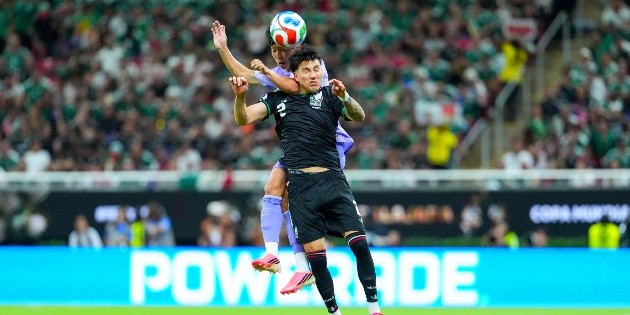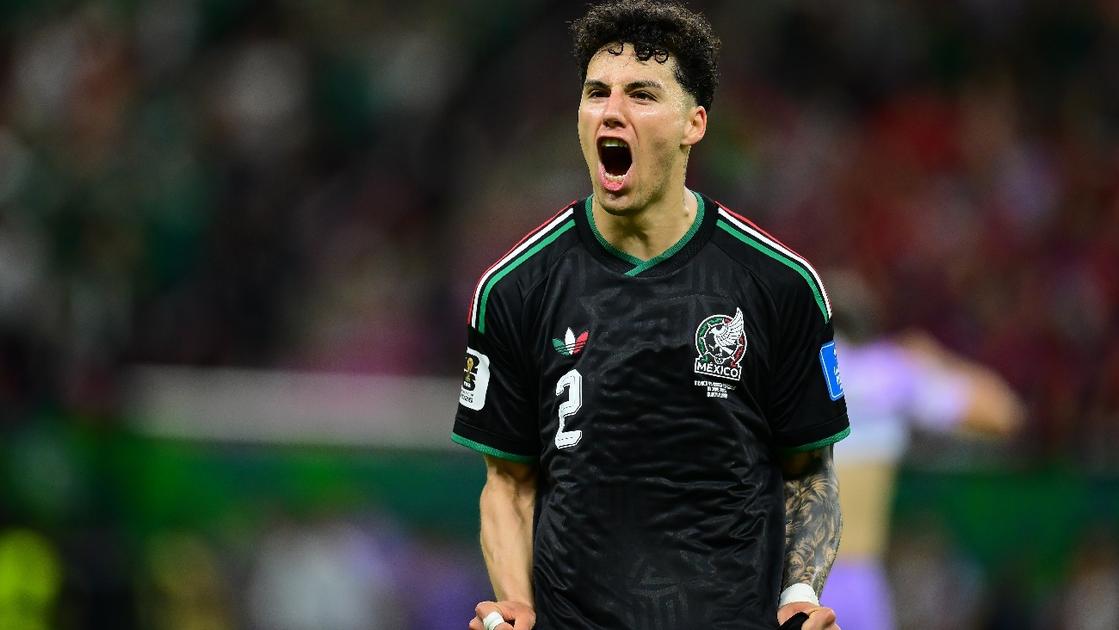
The structural transformation of Atlas FC has reached a critical inflection point with the advanced negotiations to repatriate Mexican international defender Jorge Sánchez from PAOK Thessaloniki. This move transcends mere personnel acquisition; it serves as a sophisticated signal of intent from the club’s new ownership group following the Clausura 2026 campaign. By targeting a player of Sánchez’s profile, the organization is prioritizing immediate competitive viability and defensive stabilization ahead of the Apertura 2026 tournament.
Jorge Sánchez’s tenure in the Greek Super League provides a nuanced case study in the challenges of continental integration. Since joining PAOK at the start of the year, his deployment was tactically constrained, featuring in 11 of 18 possible matches for a total of 723 minutes. This marginalization created a market inefficiency that Atlas has exploited, allowing the Guadalajara-based club to negotiate from a position of leverage to secure a proven international asset for the domestic circuit.
The financial mechanics involve a direct purchase of Sánchez’s contract, underscoring the liquidity of the new Atlas administration. For PAOK, the divestment represents a rapid pivot from a player who failed to secure a permanent starting role. For Atlas, it is the acquisition of a ‘mundialista’ with significant marketing and resale value. This transfer reflects a broader trend where Liga MX clubs utilize financial muscle to recover elite domestic talent facing fluctuating fortunes in secondary European leagues.
Institutional Shift and Tactical Leverage
The transition in ownership has fundamentally altered the club’s market behavior, moving away from incremental development toward a high-impact overhaul. The pursuit of Sánchez is the cornerstone of this strategy, serving as a public declaration that the ‘Zorros’ are prepared to compete for top-tier talent against the league’s financial heavyweights. This is evidenced by the volume of recruitment, with four major signings nearing completion just three weeks before the July 16 season opener.
Internal findings from the sports intelligence department identified the right-back position as a primary vulnerability. Historical data suggested that defensive fragility on the flanks compromised the team’s structural integrity. Sánchez, known for physical presence and international experience, is the calculated solution to these tactical deficiencies. His offensive vocation further offers a secondary creative outlet on the right flank, essential for breaking down low-block defenses.
Furthermore, the synergy between Sánchez and other arrivals, such as the winger Duk from Leganés, suggests a coordinated effort to rebuild the entire right-side corridor. This structural alignment is designed to create a balanced offensive approach, moving away from the one-dimensional strategies of previous seasons. The successful integration of these assets will be the primary metric by which this first phase of ownership is judged.
Market Consequences and Risk Assessment
Atlas’s willingness to meet PAOK’s valuation highlights a robust budgetary environment fueled by new investment tranches. This capital movement from Mexico to Greece reinforces Liga MX’s role as a critical liquidity provider for European clubs holding underutilized Mexican assets. For the player, the move is a strategic retreat to maintain his national team standing and market value during a critical period of his international career.
Despite the strategic benefits, the rapid roster overhaul carries risks related to squad cohesion. Integrating multiple high-profile starters in a three-week window requires sophisticated administrative effort. The pressure is immense, as significant capital outlay necessitates immediate on-field results to justify the investment. However, the consensus remains that Sánchez’s familiarity with the Mexican game mitigates much of the adaptation risk traditionally associated with international transfers.