Multi-Lateral Asset Reallocation in the 2026 NBA Draft
The 2026 NBA Draft served as a primary theater for sophisticated roster engineering, headlined by a four-team transaction that prioritized fiscal agility and stylistic modernization. The Los Angeles Lakers, New York Knicks, Dallas Mavericks, and Phoenix Suns executed a complex trade structure that redefined the market value of late first-round draft capital.
The Lakers’ Pivot: Divesting from Sunk Costs
The Los Angeles Lakers’ decision to divest from Dalton Knecht marks a decisive institutional shift. After two seasons of sub-optimal performance metrics, the front office treated Knecht as a diminishing asset, prioritizing immediate roster recalibration. By expanding their trade with the Knicks to secure the No. 24 pick, the Lakers acquired Cameron Carr out of Baylor. This move represents a strategic attempt to integrate a high-upside wing whose defensive versatility and offensive spacing better align with the franchise’s current tactical requirements than his predecessor.
The Knicks’ Financial Engineering: Cap Arbitrage and Liquidity
The New York Knicks operated as a facilitator of market liquidity, trading the No. 24 selection to exit the first round entirely. This maneuver reflects a disciplined adherence to cap management; by moving into the second round, the Knicks avoided the rigid, three-year guaranteed scale of first-round contracts. This deferment provides the front office with superior financial elasticity, allowing for the accumulation of future assets while maintaining open roster slots for veteran minimum acquisitions or G-League promotions.
Mavericks and the International Development Pipeline
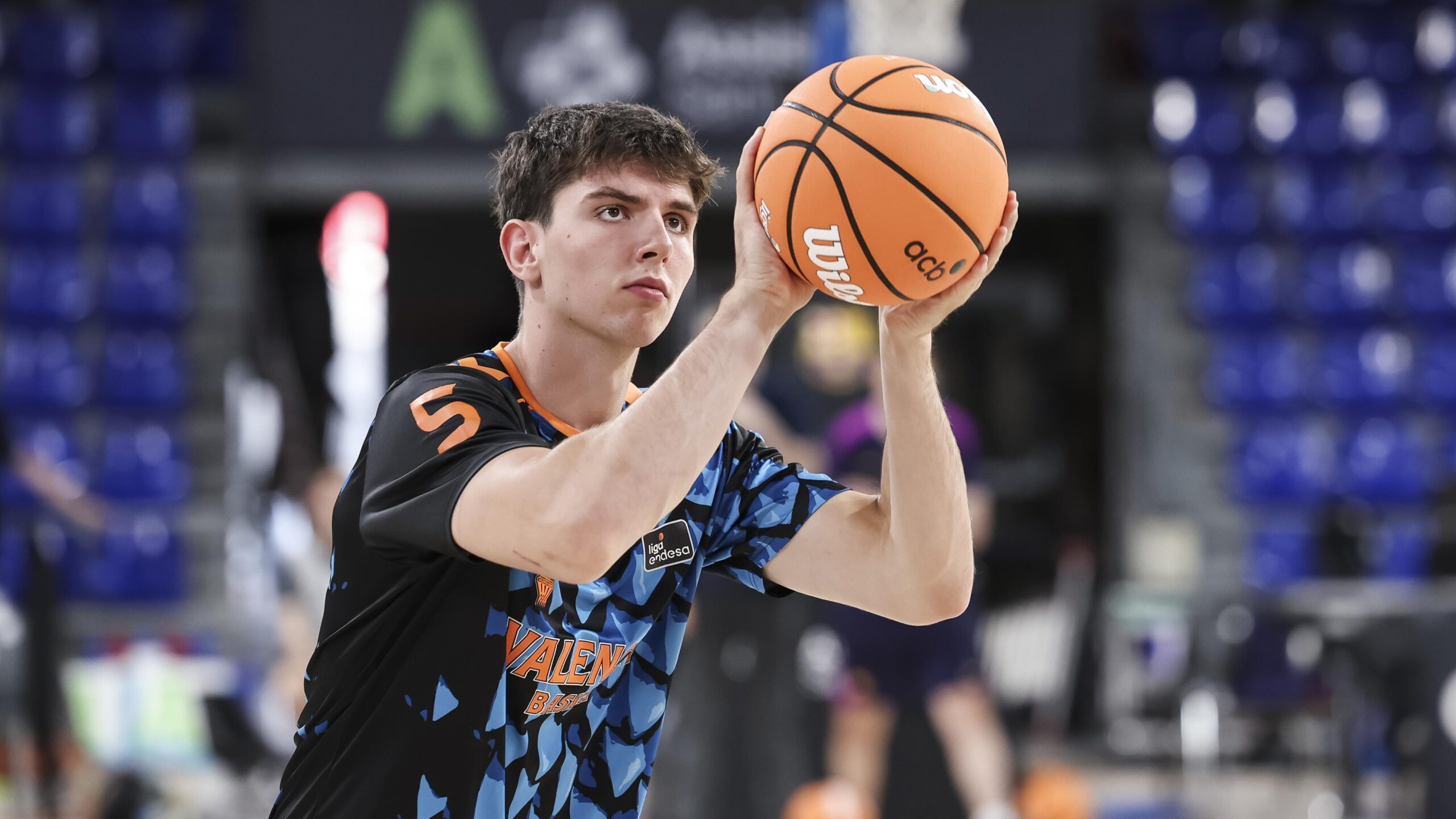
The Dallas Mavericks utilized the No. 25 pick, originally belonging to the Knicks, to select Sergio De Larrea. This acquisition reinforces the Mavericks’ commitment to the Spanish ACB pipeline, targeting De Larrea’s professional experience with Valencia. At 20, De Larrea offers a sophisticated playmaking archetype reminiscent of high-level European guards. By securing his rights, Dallas is betting on professional seasoning over the volatility of the domestic collegiate market, viewing De Larrea as a long-term solution for backcourt depth.
The Suns’ Marginal Utility at Pick 30
The Phoenix Suns concluded the first round by selecting Koa Peat at No. 30. In a veteran-heavy system, Peat serves as a cost-controlled developmental piece. This selection highlights the Suns’ strategy of using the ‘first-round floor’ to acquire specific positional archetypes without the financial burden of a lottery-scale contract. The deal’s complexity underscores a growing trend where contenders utilize multi-team structures to satisfy specific depth-chart needs that bilateral trades cannot address.
Conclusion: Institutional Philosophies in Conflict
The 2026 draft trade highlights two diverging philosophies: the Lakers’ aggressive correction of previous scouting miscalculations versus the Knicks’ cold, calculated deferment of immediate talent for future flexibility. As Cameron Carr and Sergio De Larrea begin their development, the success of this transaction will be measured by whether the Lakers’ ‘win-now’ urgency or the Knicks’ asset-hoarding pragmatism delivers a higher return on investment.