Strategic Optimization in the Expanded 48-Team Format
The United States Men’s National Team (USMNT) has validated its institutional evolution by securing a Round of 32 berth in the 2026 FIFA World Cup. By clinching the top position in Group D, the squad has achieved a critical strategic objective: mitigating the high-attrition risk associated with final-match survival scenarios. This early advancement provides a distinct operational window for the coaching staff to calibrate player recovery cycles and refine tactical systems before the knockout stage commences.
Mathematical Volatility of the Round of 32 Bracket
The transition to a 48-team tournament has introduced unprecedented structural ambiguity. Under FIFA’s Annex E regulations, the USMNT’s path as a group winner remains contingent on the multi-variate performance of third-place teams across the field. With 495 potential permutations governing bracket placement, the team must adopt a philosophy of ‘opponent-agnostic’ preparation, prioritizing internal performance metrics and tactical flexibility over early-stage scouting of specific adversaries.
Pochettino’s Institutional Influence and Tactical Maturity
The tenure of head coach Mauricio Pochettino has catalyzed a shift toward organizational discipline and high-intensity output. Securing a second group-stage victory—a feat unmatched by the program since 1930—signals a departure from previous developmental cycles. Pochettino’s methodology emphasizes ‘present-tense’ focus, serving as a psychological buffer against the unique pressures facing a host nation. This incremental approach is designed to stabilize performance levels amidst the stochastic nature of tournament soccer.
Quantitative Probabilities vs. Qualitative Assets
Current analytical models, including Opta’s predictive algorithms, assign the USMNT a 2.84% probability of tournament victory. While these metrics provide a statistical baseline, they often underrepresent qualitative variables such as team cohesion and home-field synergy. Industry observers, including Zlatan Ibrahimović, have noted the rising tactical ceiling of players like Alex Freeman and Malik Tillman. The convergence of individual technical growth and collective discipline suggests a higher competitive ceiling than raw data might indicate.
Socio-Economic Implications of Tournament Longevity
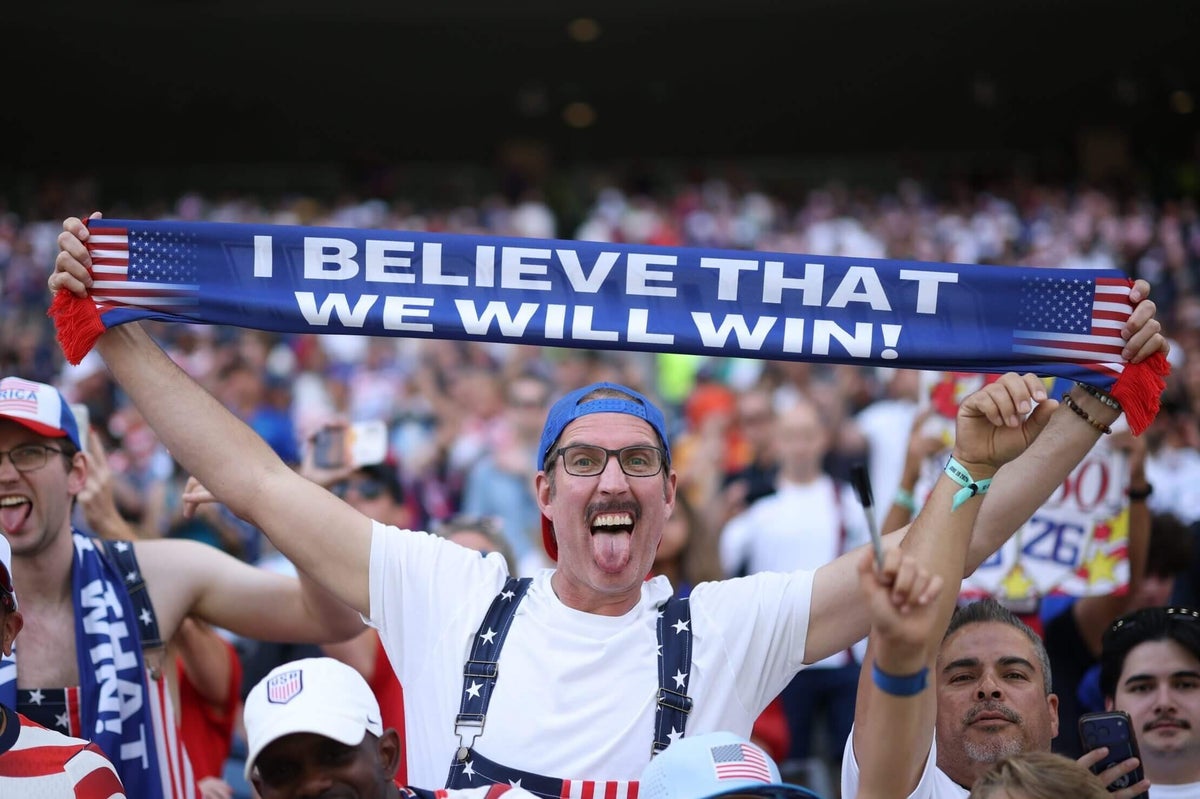
The USMNT’s progression serves as a benchmark for the commercial and cultural viability of soccer within the American market. Sustained success validates the massive capital expenditures in youth infrastructure and professional development programs over the last decade. Beyond the pitch, the team’s performance acts as a primary driver for media rights valuation and domestic engagement, establishing a new baseline for the sport’s institutional presence in the United States.
Operational Demands of the Knockout Phase
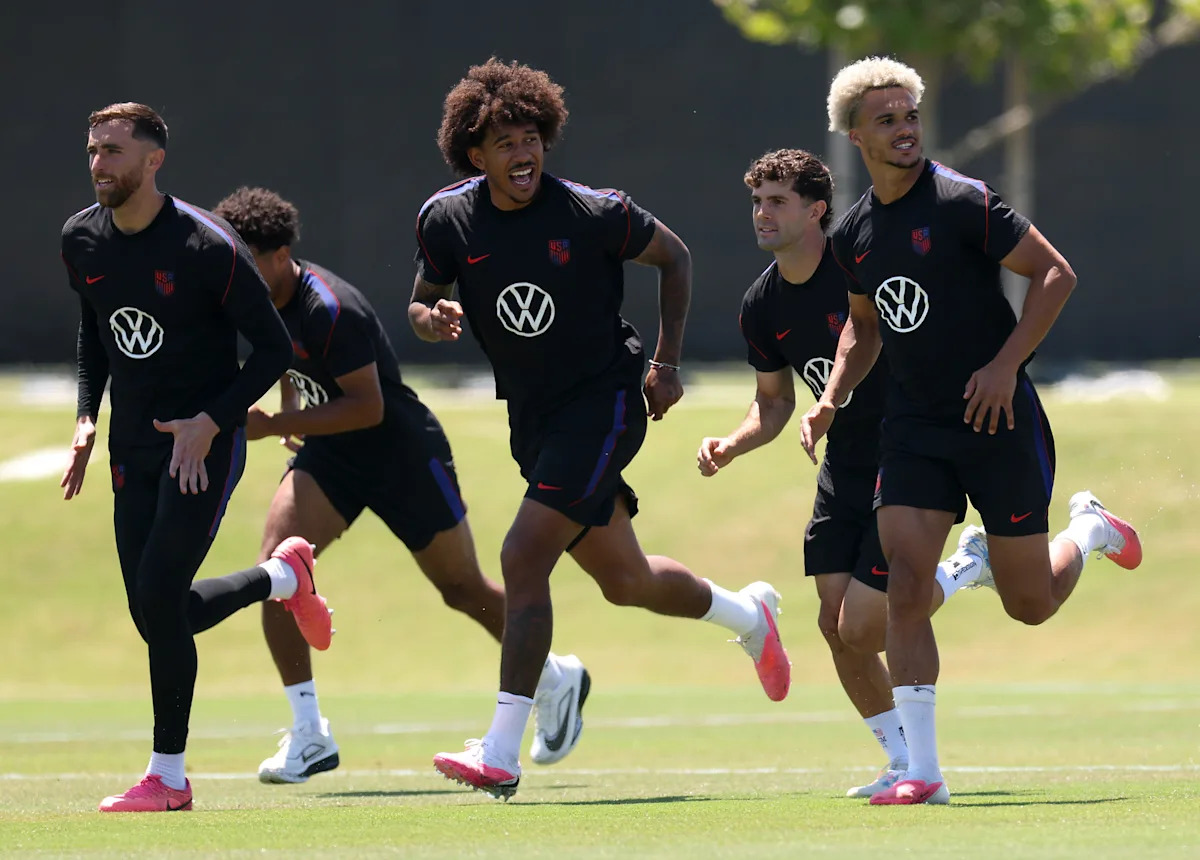
As the tournament transitions to Santa Clara for the Round of 32, the shift from group-stage consistency to single-elimination volatility requires meticulous resource allocation. The management of squad depth—specifically the integration of rotation players without compromising tactical integrity—will determine the program’s endurance. Every operational decision, from physiological monitoring to set-piece specialization, is now optimized for the high-variance environment of the knockout rounds.
Conclusion: A New Paradigm for U.S. Soccer
The 2026 campaign represents a definitive pivot point for the USMNT. The combination of elite coaching, structural stability, and mathematical unpredictability has positioned the United States as a sophisticated competitor on the global stage. Regardless of the eventual outcome in the bracket, the program’s current trajectory confirms its arrival as a mature entity within the international footballing hierarchy.