
Tactical Architecture: Deconstructing the Lineups
The Group stage encounter at the Estadio de Guadalajara in Zapopan functions as a critical mathematical gatekeeper. For Colombia, a second victory secures immediate qualification for the expanded Round of 32, allowing technical director control over squad rotation. Conversely, the Democratic Republic of Congo (DRC) enters the fixture with tactical leverage following their 1-1 draw against Portugal, seeking to validate their structural modernization on the global stage.
Colombia’s 4-3-3 system relies on the playmaking maturity of James Rodriguez. Positioned as the central creative catalyst, Rodriguez is tasked with operating between the lines to break down a compact low-block defense. The midfield engine room—anchored by the physical profiling of Jefferson Lerma, Jhon Arias, and Gustavo Puerta—provides defensive transition security, allowing full-backs to push high. Up front, the attacking trident of Luis Diaz, Jhon Lucumi, and Jhon Arias (or Luis Suarez) focuses on isolation plays. Diaz’s 1v1 efficiency on the left flank remains Colombia’s primary mechanism for collapsing defensive shapes, creating central pockets for oncoming runners.
The DRC counters with a highly disciplined defensive block organized by captain Chancel Mbemba. Supported by Axel Tuanzebe and Arthur Masuaku, the Congolese backline is reinforced by Aaron Wan-Bissaka, whose elite recovery tackling is specifically deployed to neutralize Diaz’s wide threat. In possession, the Leopards bypass midfields through rapid vertical transitions directed at Yoane Wissa and Cedric Bakambu. This direct verticality seeks to exploit space vacated by Colombia’s advancing full-backs, testing the lateral coverage of center-backs Davinson Sanchez and Jhon Lucumi.
The Zaire 1974 Paradigm vs. Modern Systemic Integration
The DRC’s presence in the 2026 tournament marks their first qualification since competing as Zaire in 1974. The historical memory of that campaign—defined by a 9-0 defeat to Yugoslavia—has long overshadowed Congolese football. Today, the federation’s structural evolution reflects a deliberate transition away from administrative fragility toward elite professionalization. By integrating European-trained players like Samuel Moutoussamy, Edo Kayembe, and youngster Noah Mukau, the DRC has established tactical discipline and positional intelligence that offsets historic structural deficits.
Geopolitical Soft Power and Fan-Base Volatility
The strategic stakes of this campaign transcend sport, highlighted by state-level logistical intervention. Congolese President Félix Tshisekedi has chartered dedicated flights to transport members of the Congolese diaspora based in Canada directly to Jalisco. This state-backed initiative serves a dual purpose: projecting diplomatic soft power in North America while securing a vocal home-field advantage in a neutral territory. However, this passionate support carries intrinsic psychological pressure; the Leopards’ fanbase is historically volatile, and players must compartmentalize intense public expectations to avoid performance anxiety.
Environmental Factors and Group Stage Mathematics
The microclimate and moderate altitude of Zapopan (~1,566 meters above sea level) introduce physiological variables. Aerobic efficiency and ball-flight dynamics require tactical pacing, favoring Colombia’s historical familiarity with high-altitude South American venues. In the tournament’s expanded 48-team format, goal differential remains highly sensitive. A pragmatic draw keeps both nations alive, which may prompt a highly conservative defensive phase during the final twenty minutes of play.
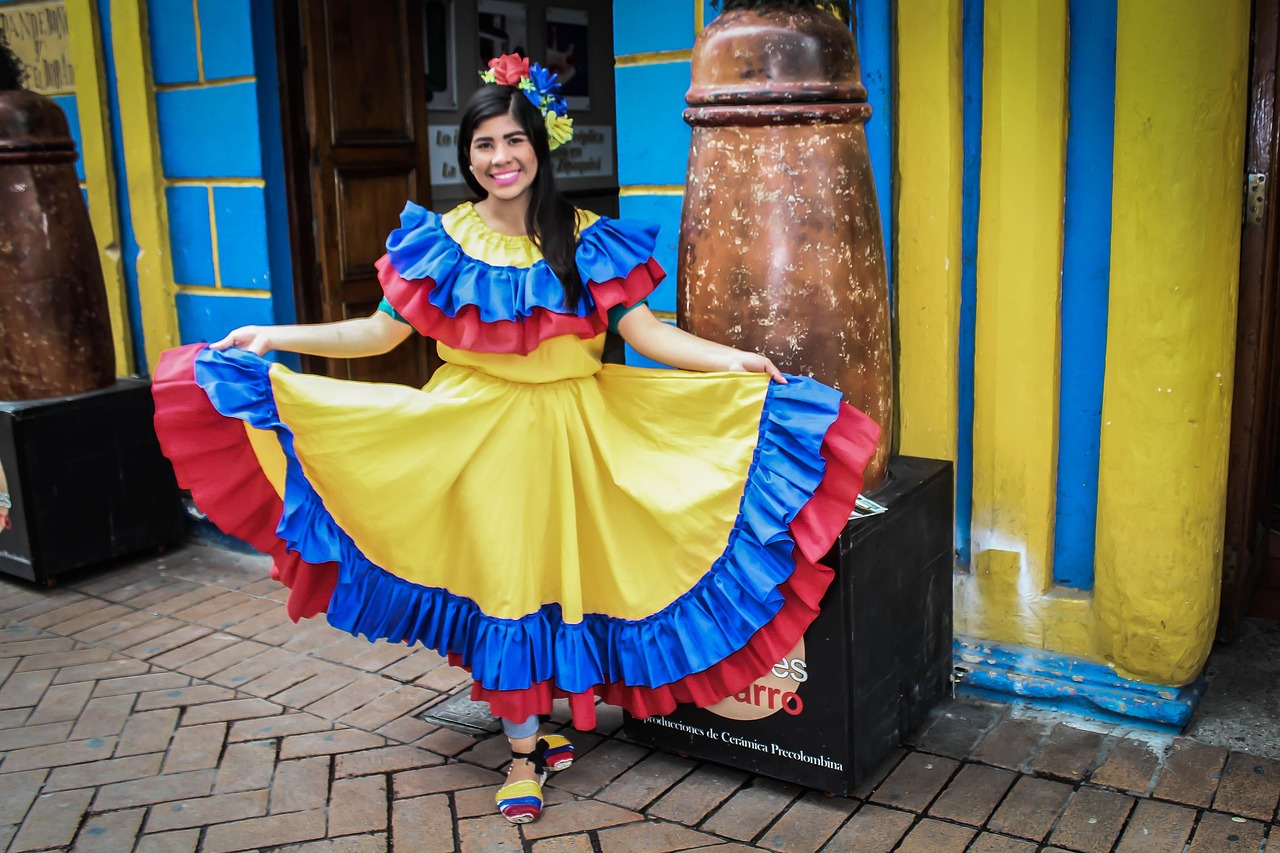
Cover photo by wjgomes on Pixabay.