The Convergence of Intuition and Quantitative Analysis
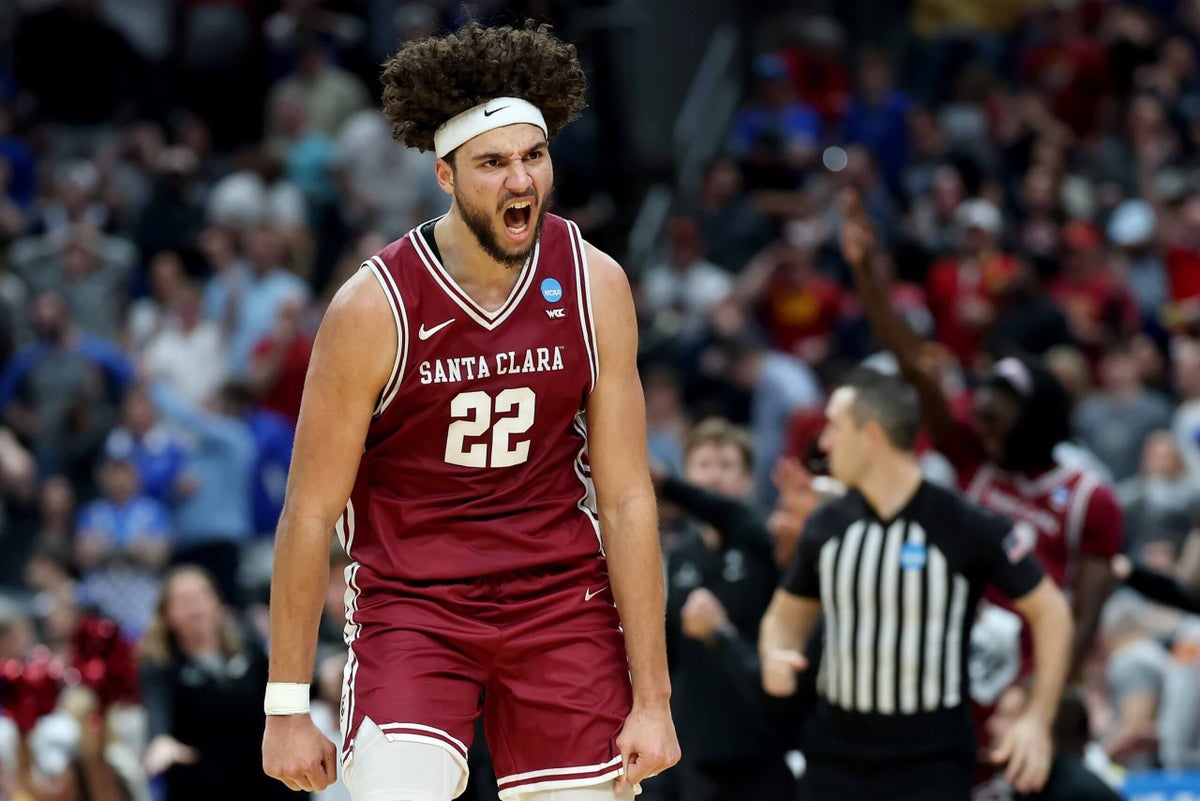
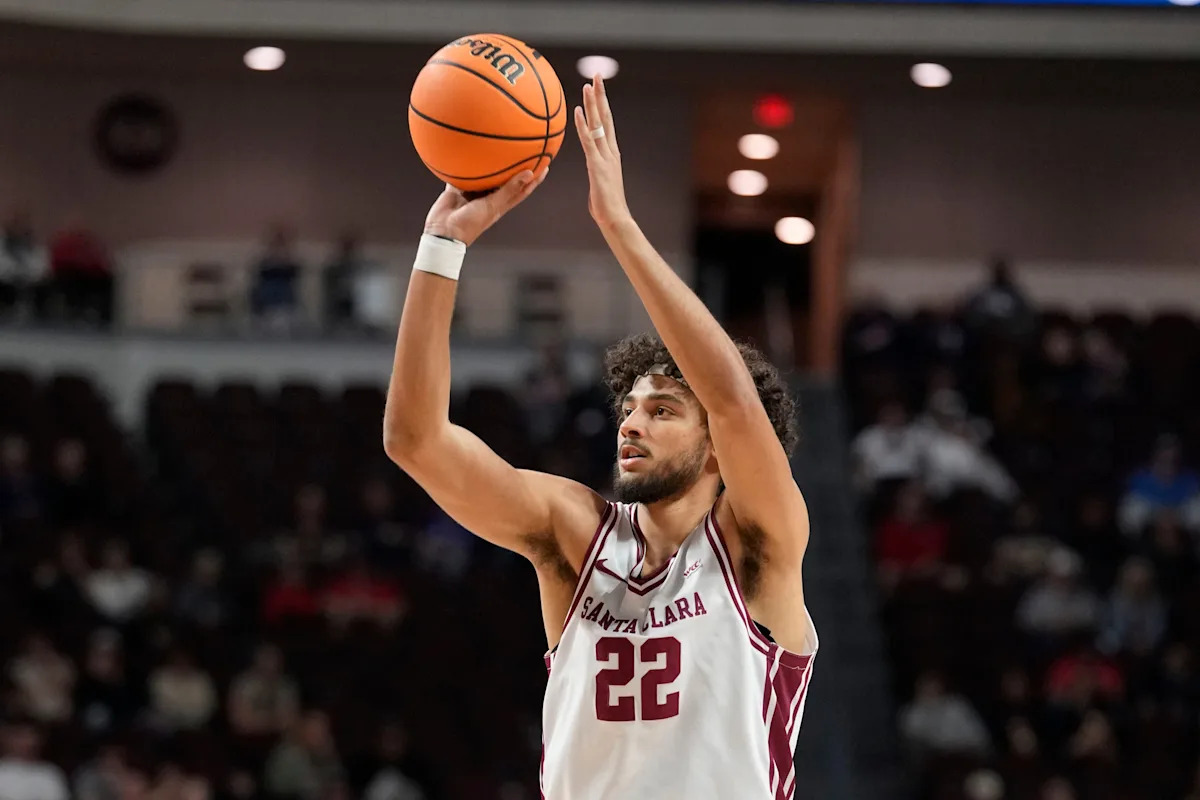
The ascent of Santa Clara forward Allen Graves in the 2026 NBA Draft cycle marks a pivotal shift in talent evaluation. Traditionally, organizations relied on the subjective ‘eye test’ to prioritize physical traits and performance against elite competition. Graves, originally an unranked recruit and bench contributor, rose to prominence because internal analytics departments successfully challenged traditional scouting skepticism.
Front-office personnel report that initial lukewarm evaluations were systematically overturned by persistent quantitative advocacy. This transition highlights a hybrid model where data acts as a counterweight to human bias, allowing teams to identify market inefficiencies by uncovering value in prospects who lack a conventional ‘blue-chip’ pedigree.
Institutionalizing Data in Talent Acquisition
The integration of advanced metrics and biomechanical data—such as movement profiling—has become a standard operational requirement. These systems extend beyond box-score statistics to assess physical translation, offering a granular projection of a player’s efficacy in an NBA system. For Graves, whose collegiate averages of 11.8 points and 6.5 rebounds were modest, this deeper analytical layer provided the empirical justification for a first-round investment.
This shift forces a reallocation of scouting capital toward prospects demonstrating high ‘feel’ and situational efficiency. Organizations like the Philadelphia 76ers, under Mike Gansey, are increasingly utilizing rigorous analytical filtering to identify high-upside targets that conventional scouting might overlook.
Market Dynamics and Strategic Positioning
The 2026 cycle underscores draft capital as a volatile, high-value asset. The 76ers’ acquisition of the 22nd pick—funneled through the Houston Rockets—illustrates the necessity of balancing immediate competitive needs with long-term roster development. Because Graves is projected for the 16th–22nd range, he has become a focal point for teams like the Charlotte Hornets, Toronto Raptors, and San Antonio Spurs, all of whom seek his specific versatility as a modern ‘four-man’.
Systemic Constraints and Predictive Limits
Despite increased data reliance, operational constraints—such as the compressed window for pre-draft workouts—remain significant. Furthermore, predictive modeling is not infallible. The transition from mid-major competition to the NBA involves physical and environmental stressors that data cannot fully capture. While Graves’s analytical profile is robust, organizations must still reconcile his ‘average’ athleticism against the reality of elite-level competition.
The Future of Scouting Infrastructure
The scouting profession is evolving from observational reporting to analytical interpretation. Modern scouts now function as intermediaries who must synthesize complex data points—provided by external partners like CBB Analytics—with team culture and coaching philosophy. This evolution suggests that the future of NBA talent acquisition will belong to organizations that effectively mitigate risk through the coherent integration of human insight and machine-generated probabilities.